
Your home's insulation plays a bigger role in your daily comfort and energy bills than you might think. Upgrading your insulation can lower heating and cooling costs while making your home more comfortable year-round. Many homes have old or inadequate insulation that fails to keep indoor temperatures stable.
Professional insulation upgrade services can transform how your home performs. You'll learn about different insulation materials available, how to spot warning signs that your home needs better insulation, and what the upgrade process involves. Understanding your options helps you make smart decisions about improving your home's energy efficiency.
Working with experienced local contractors ensures your insulation upgrade is done right the first time. The right insulation in the right places creates a protective barrier that keeps your home comfortable in every season while reducing the strain on your heating and cooling systems. Here's what you need to know:
- Why upgrading your home insulation matters
- Common insulation upgrade options for homeowners
- Signs your home needs insulation upgrades
- What to expect from professional insulation upgrade services
- Benefits of choosing local DC insulation experts
Keep reading to learn which upgrades deliver the biggest return for DC homes and how to get the process started the right way.
Why upgrading your home insulation matters
Old insulation leads to higher energy bills and uncomfortable indoor temperatures. Modern insulation materials solve these problems while providing benefits that last for years.
How outdated insulation affects energy bills
Your heating and cooling systems work harder when insulation breaks down or becomes less effective over time. Older homes often have insulation that has settled, compressed, or degraded after decades of use.
This loss of performance creates gaps where conditioned air escapes. Your furnace runs longer in winter and your air conditioner struggles in summer to maintain comfortable temperatures.
The result shows up clearly in your monthly utility bills. According to the U.S. Department of Energy, homes with inadequate insulation can waste a significant share of their heating and cooling energy through poorly insulated walls, attics, and crawl spaces. Understanding how insulation can save you money even in summer helps frame why an upgrade pays off in every season.
Common signs your insulation is costing you money:
- Uneven temperatures between rooms
- High heating bills in winter
- Air conditioner running constantly in summer
- Drafts near walls or ceilings
Energy efficiency insulation services can identify where your home loses the most energy and recommend targeted upgrades to reduce waste.
Comfort issues caused by poor insulation
Poor insulation creates uncomfortable living conditions throughout your home. You might notice cold spots near exterior walls during winter or rooms that never seem to cool down in summer.
These temperature inconsistencies happen because inadequate insulation allows heat transfer between your indoor space and the outside environment. Your thermostat might read 72 degrees, but certain rooms feel much warmer or cooler.
Drafts are another common problem with failing insulation. Air leaks around windows, doors, and wall penetrations make spaces feel colder than they actually are.
Moisture problems also stem from insulation issues. Condensation can form when warm indoor air meets cold surfaces, potentially leading to mold growth or water damage in walls and attics.
Long-term benefits of modern insulation
Modern insulation materials perform better than products installed 20 or 30 years ago. New options provide higher R-values per inch, meaning better thermal resistance with less material.
Key advantages of upgrading:
- Lower energy costs: reduced heating and cooling expenses month after month
- Consistent comfort: even temperatures throughout all rooms and floors
- Noise reduction: better sound dampening from outside and between rooms
- Increased home value: reinsulating your home can increase its value and help it sell faster
Today's insulation products also resist settling and moisture better than older materials. This means they maintain their effectiveness longer without degrading.
Professional energy efficiency insulation services use proper installation techniques that eliminate gaps and ensure complete coverage. This attention to detail maximizes the performance of your investment for decades to come.
Common insulation upgrade options for homeowners
Homeowners can choose from several effective insulation upgrades to reduce energy costs and improve comfort. The most common projects focus on attics, walls, and air sealing with specialized materials.
Attic insulation upgrade for better efficiency
The attic represents the biggest opportunity for energy savings in most homes. Heat naturally rises and escapes through your roof, making proper attic insulation essential for reducing heating and cooling costs.
Most attics in colder climates perform best with insulation levels between R-49 and R-60. Older homes often have much less than this recommended amount. Before adding new insulation, contractors seal air leaks and penetrations to prevent heat loss.
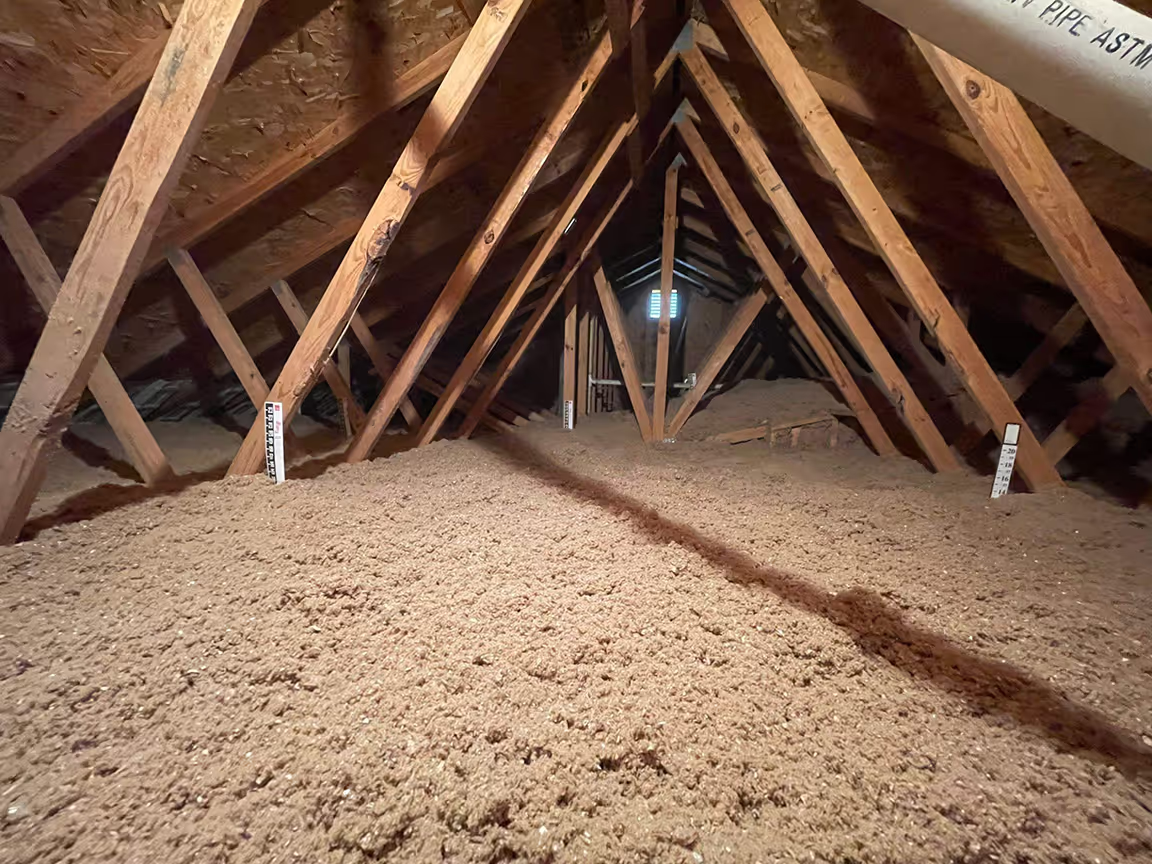
Blown-in attic insulation is the most popular choice for attic upgrades. This method covers irregular spaces and fills gaps that traditional batts miss. Contractors install baffles near soffit vents to maintain proper airflow while achieving the right insulation depth.
You can expect to see noticeable reductions in your energy bills after an attic insulation upgrade. The investment typically pays for itself within a few years through lower heating and cooling costs. Learn more about how attic insulation can keep your energy bills down year-round.
Wall insulation improvements for older homes
Many older homes were built with minimal wall insulation or none at all. Adding insulation to existing walls requires specialized techniques since you cannot easily access the wall cavities without major renovation.
Contractors use dense-pack cellulose or blown-in fiberglass for wall upgrades. They drill small holes in either the interior or exterior walls, fill the cavities with insulation, and patch the holes. This approach adds significant R-value without removing drywall or siding. If your walls have never been properly treated, scheduling wall insulation replacement may be the right first step.
Some homes benefit from the best wall insulation material added to exterior walls during siding replacement projects. This method increases insulation while improving the home's appearance.
Spray foam upgrades for air sealing
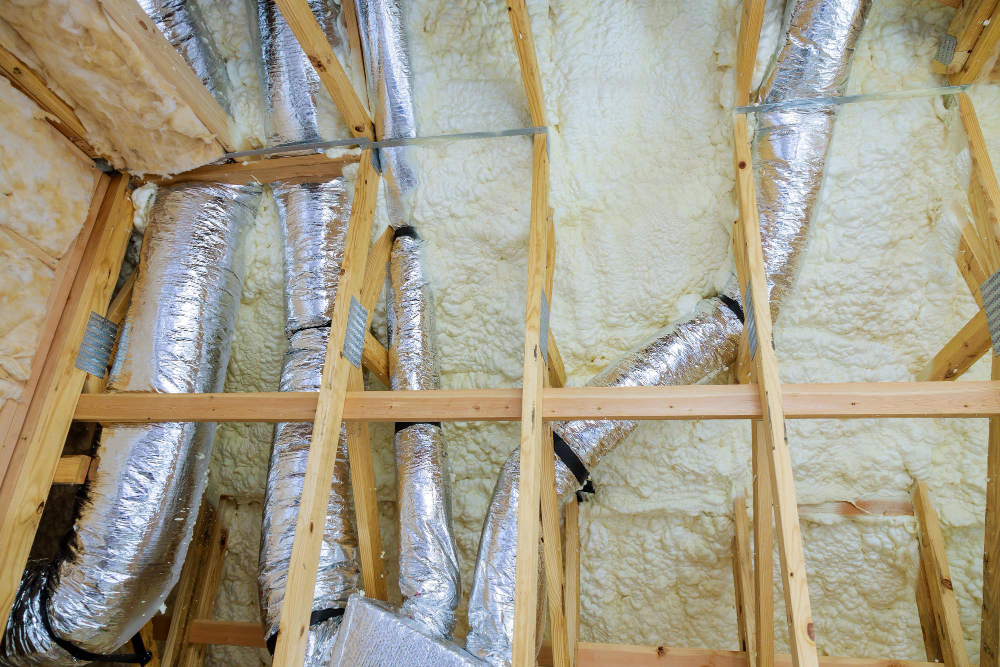
Spray foam upgrade insulation excels at stopping air leaks while adding insulation value. This material expands to fill cracks, gaps, and irregular spaces that other insulation types cannot reach.
Closed-cell spray foam provides the highest R-value per inch and acts as a moisture barrier. Open-cell spray foam costs less and works well for interior applications where moisture control is not a primary concern.
Contractors often use spray foam in rim joists, crawl spaces, and around pipes or ductwork. These areas commonly leak air and benefit from spray foam's sealing properties. When combined with traditional insulation in attics or walls, spray foam creates a more complete thermal envelope for your home.
Signs your home needs insulation upgrades
Poor insulation shows itself through higher energy bills, rooms that feel too hot or cold, and air that sneaks in where it shouldn't. These problems often get worse over time as insulation breaks down or settles.
Uneven indoor temperatures throughout the home
Your rooms should stay close to the same temperature when your heating or cooling system runs. If your bedroom feels like a freezer while your living room stays warm, your insulation isn't doing its job.
This happens because gaps in insulation let heat escape in winter or enter in summer. The problem often shows up most in rooms above garages, in upper floors, or in rooms with exterior walls.
You might notice your feet feel cold on certain floors even when the thermostat says the house is warm. Or you touch a wall in winter and it feels ice cold to your hand.
Your HVAC system will run more often trying to fix these temperature differences. This is one of the clearest signs you need to replace insulation in your attic or walls. That extra work wears out the system faster and costs you more money each month.
Rising energy costs month after month
Your heating and cooling bills should stay fairly stable from year to year. If your bills keep going up but you haven't changed how you use energy, your insulation has likely lost its effectiveness.
Compare your current bills to what you paid one or two years ago for the same months. A jump of 15% or more often points to insulation problems.
Old insulation can settle, get wet, or develop gaps that let air through. When this happens, your HVAC system works harder to maintain the temperature you want. That extra work shows up directly on your energy bill.
According to the U.S. Environmental Protection Agency's ENERGY STAR program, homeowners can save an average of 15% on heating and cooling costs by air sealing and adding insulation in key areas including attics and accessible basement rim joists. Homes built before 2005 are especially likely to fall short of current energy efficiency standards. Now may be the right time to insulate your home before energy prices climb further.
Drafts and air leakage in key areas
You shouldn't feel moving air inside your home when doors and windows are closed. Drafts near outlets, baseboards, attic hatches, or recessed lights mean air is getting past your insulation.
Hold your hand near these areas on a windy day. If you feel air movement, you have gaps that need sealing. Light switches on exterior walls often leak air because there's little insulation behind the electrical box.
Check around door frames and window edges for cold spots. Run your hand along baseboards where walls meet floors. These spots commonly develop air leaks as homes settle and insulation shifts.
Water stains on ceilings or walls can also signal insulation problems. Attic humidity problems and condensation issues are common results of moisture bypassing degraded insulation. If left unaddressed, these conditions can lead to mold prevention failures that are far more costly to fix than the original upgrade would have been.
What to expect from professional insulation upgrade services
Professional insulation upgrade services follow a structured process that includes evaluating your home's current state, addressing existing insulation issues, and installing new materials. Each step ensures your home becomes more energy-efficient and comfortable.
Home energy assessment and inspection
A certified technician will visit your property to conduct a detailed energy assessment. This involves checking your attic, walls, basement, and crawl spaces for air leaks and inadequate insulation coverage.
The inspector uses thermal imaging cameras to identify cold spots and areas where heat escapes. They measure the R-value of your existing insulation to determine if it meets current energy standards. A home energy audit is a smart first step that reveals exactly how to tell if your attic needs more insulation and where walls are underperforming.
During this assessment, the technician also looks for moisture damage, mold growth, and ventilation issues. These problems need fixing before new insulation goes in. You'll receive a written report that explains problem areas and recommends specific solutions for your home.
The assessment typically takes 1-2 hours depending on your home's size. The technician will provide a detailed quote that breaks down material costs, labor, and any necessary prep work.
Removal or reinforcement of old insulation
Your contractor will determine whether your existing insulation needs complete removal or can be reinforced. Old insulation containing harmful substances like asbestos requires professional removal following strict safety protocols.
Technicians wear protective equipment and seal off work areas to prevent contamination. They bag and dispose of old materials according to local regulations. For guidance on what this involves, read about what the real cost of insulation removal looks like before requesting quotes.
In some cases, your current insulation can stay in place if it's still in good condition. The contractor will add new insulation on top to boost the overall R-value. Damaged or compressed insulation always needs replacement because it loses its ability to trap air and provide thermal resistance. How long attic insulation lasts depends heavily on material type, so ask your contractor which products offer the longest service life.
Installation of updated insulation materials
Professional installers select insulation materials based on your home's specific needs and your budget. What type of insulation is best depends on the location, your moisture conditions, and your R-value targets.
The installation method varies by material type and location:
- Spray foam expands to fill gaps and creates an air-tight seal
- Blown-in insulation works well for attics and hard-to-reach spaces
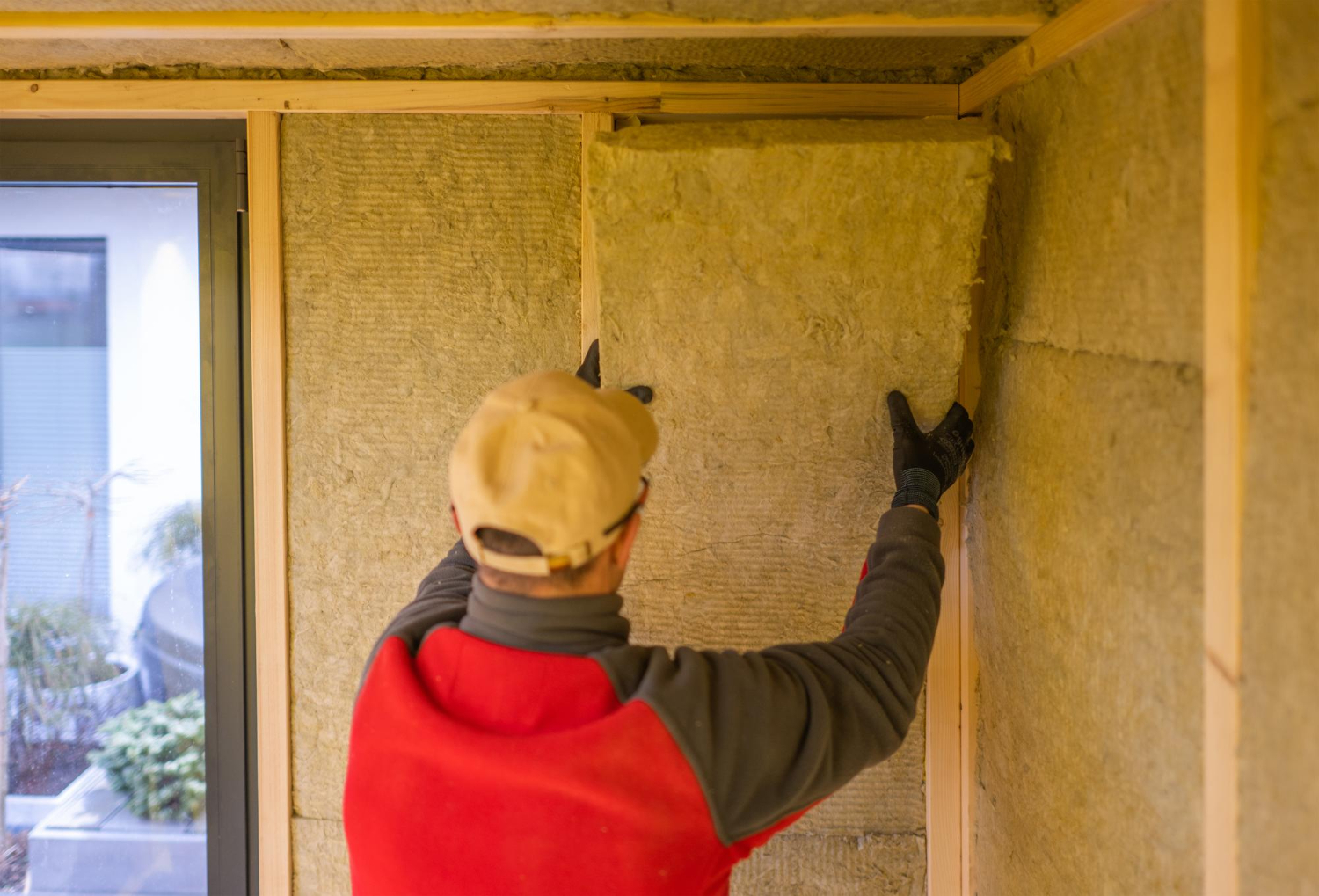
- Batt insulation fits between wall studs and floor joists
- Rigid foam boards provide high R-value in tight spaces
Installers ensure proper coverage without gaps or compression. They maintain correct ventilation in attics and seal penetrations around pipes, wires, and ducts. This attention to detail prevents moisture buildup and maintains indoor air quality. Most residential insulation replacement projects take 1-3 days to complete depending on your home's size and scope of work.
Benefits of choosing local DC insulation experts
Working with local insulation professionals in Washington DC gives you access to specialized knowledge about the region's unique climate challenges and building codes. These experts deliver targeted solutions that address both the humid summers and cold winters specific to the area.
Better climate-specific insulation recommendations
DC's climate requires insulation that handles both extreme heat and cold effectively. Local insulation experts understand how the region's high humidity levels in summer and freezing temperatures in winter affect your home's thermal performance.
These professionals know which home insulation solutions work best in DC's older row homes and newer construction. They can recommend spray foam for sealing air leaks in historic Georgetown properties or blown-in cellulose for attic spaces in Capitol Hill homes. Local insulation contractors also stay current with DC building codes and energy efficiency standards.
Your insulation needs differ from homes in other regions. A local expert evaluates your specific property type and recommends solutions based on years of experience with similar DC-area homes.
Improved energy efficiency and comfort
Home insulation upgrade DC projects tackle the drafts and temperature imbalances common in area properties. Professional installation seals gaps around windows, doors, and attic spaces that let conditioned air escape.
Proper insulation creates consistent temperatures throughout your home. You won't experience cold spots in winter or overheated rooms during DC's humid summers. Insulating your house before summer is one of the most cost-effective steps you can take before cooling season begins. This consistency reduces the workload on your HVAC system.
Key comfort improvements include:
- Reduced outdoor noise from traffic and neighbors
- Lower humidity levels in living spaces
- Fewer drafts and cold walls
- More stable indoor temperatures year-round
Long-term savings on utility bills
Quality insulation reduces the energy needed to heat and cool your home. Most DC homeowners see noticeable decreases in their monthly utility costs after upgrading their insulation.
The initial investment in professional insulation services typically pays for itself through energy savings. Many properties see 15-20% reductions in heating and cooling expenses. Your exact savings depend on your current insulation condition and the upgrades you choose.
Local DC energy programs may offer rebates for insulation upgrades. An attic insulation tax rebate can meaningfully reduce your upfront costs while you continue to save money each month. Your insulation contractor can help identify available rebate programs in the DC area.
Conclusion
Upgrading your home's insulation is a smart move that delivers real benefits. You'll see lower energy bills, better comfort throughout your home, and improved property value. These upgrades work in any season by keeping heat in during winter and out during summer.
The investment typically pays for itself within a few years through reduced utility costs. Many older homes have less insulation than current standards require, making them ideal candidates for upgrades. Even newer homes can benefit from additional insulation in key areas like attics and walls.
Professional insulation services ensure proper installation and material selection. Trained technicians can identify problem areas using thermal imaging and recommend the most effective solutions for your specific situation. They understand which materials work best for different parts of your home.
You don't need to upgrade all your insulation at once. Start with the areas that will give you the biggest return, like your attic or basement. Each improvement builds on the last to create a more efficient home.
The right insulation upgrade depends on your home's age, current insulation levels, and your budget. Working with qualified professionals helps you make informed decisions that match your needs and goals. Contact Terra Insulation today to schedule an assessment and start saving.