
Keeping your home comfortable year-round while managing energy costs starts with proper insulation. Professional residential insulation installation involves trained contractors adding or upgrading insulation in your walls, attics, floors, and crawlspaces to improve energy efficiency and maintain consistent indoor temperatures. Many homeowners don't realize their insulation is outdated or insufficient until they notice high utility bills or uncomfortable temperature swings.
Working with qualified insulation professionals makes a significant difference in the quality and longevity of your installation. These experts understand which insulation types work best for different areas of your home and how to install them correctly. They can also help you take advantage of available tax credits and warranties.
This guide will walk you through everything you need to know about residential insulation installation services.
Here’s what you need to know:
- What is residential insulation installation?
- Signs your home needs insulation installation
- Types of residential insulation installation services
- Benefits of professional residential insulation installation
- How Terra Insulation ensures quality installation
Keep reading! You'll learn how to identify when your home needs new insulation, what types of services are available, and why professional installation protects your investment.
What is residential insulation installation?
Residential insulation installation involves placing specialized materials throughout your home to control heat transfer and maintain stable indoor temperatures. Professional installers work with different insulation types to create barriers in key areas, reduce energy waste, and improve overall comfort.
Installing insulation in attics, walls, and floors
Home insulation installation targets three main areas where heat loss and gain occur most. Attics require the most attention because hot air rises and escapes through the roof. Without proper coverage, you can lose up to 25% of your heating and cooling energy through this space alone.
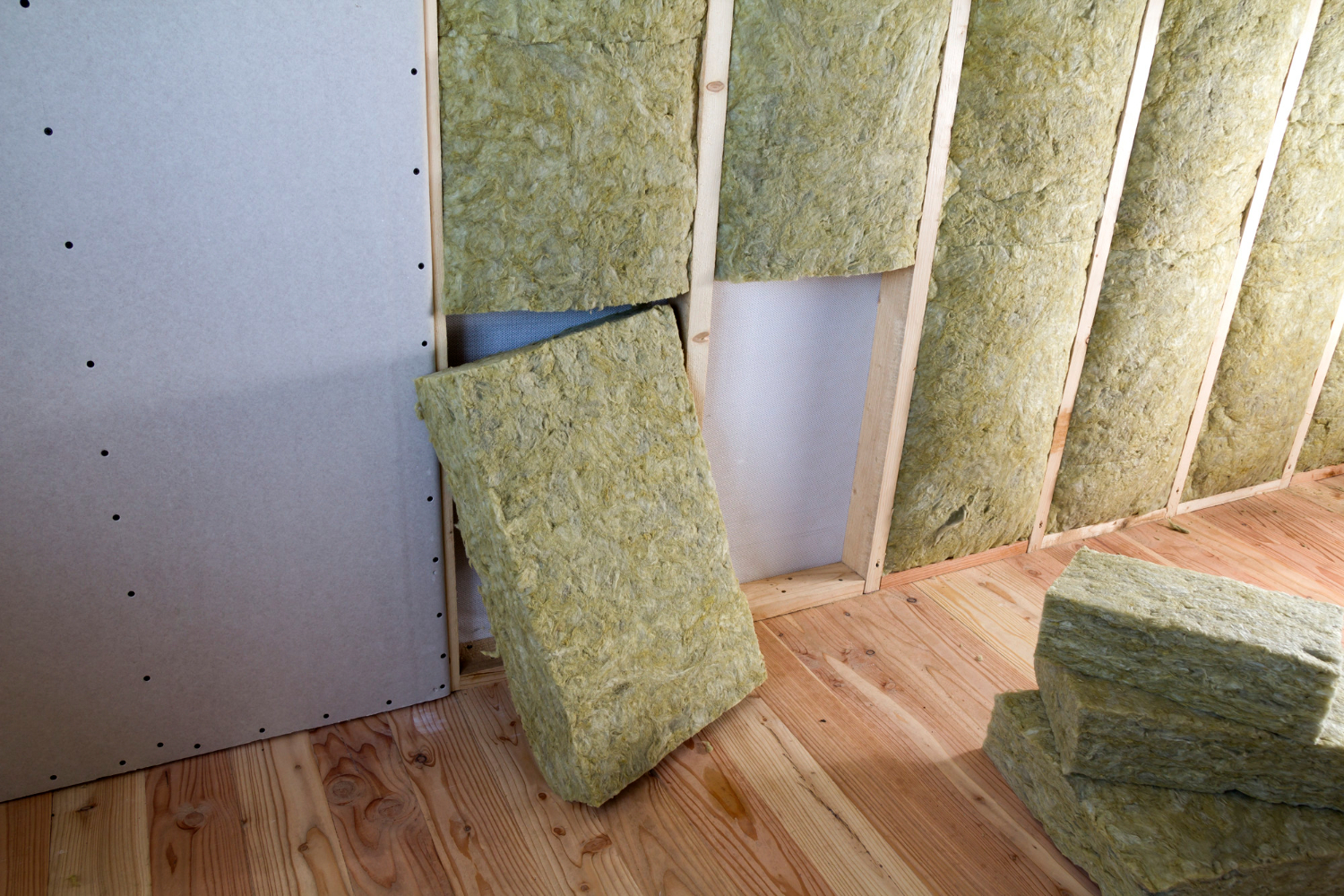
Walls need insulation during construction or renovation projects. Installers fit materials between wall studs before drywall goes up in new construction. For existing homes, they may blow insulation into wall cavities through small holes.
Floor insulation matters most in homes with crawl spaces or rooms above unheated garages. This placement stops cold air from seeping up through your floors during winter months. Installers secure batts between floor joists or spray foam directly onto surfaces. Each area requires different installation methods based on access points and structural design.
Using energy-efficient insulation materials
Energy-efficient insulation comes in several material types, each with specific benefits. Fiberglass batts and rolls offer the most common choice because they cost less and work well in standard spaces. You can find them pre-cut to fit between studs and joists.
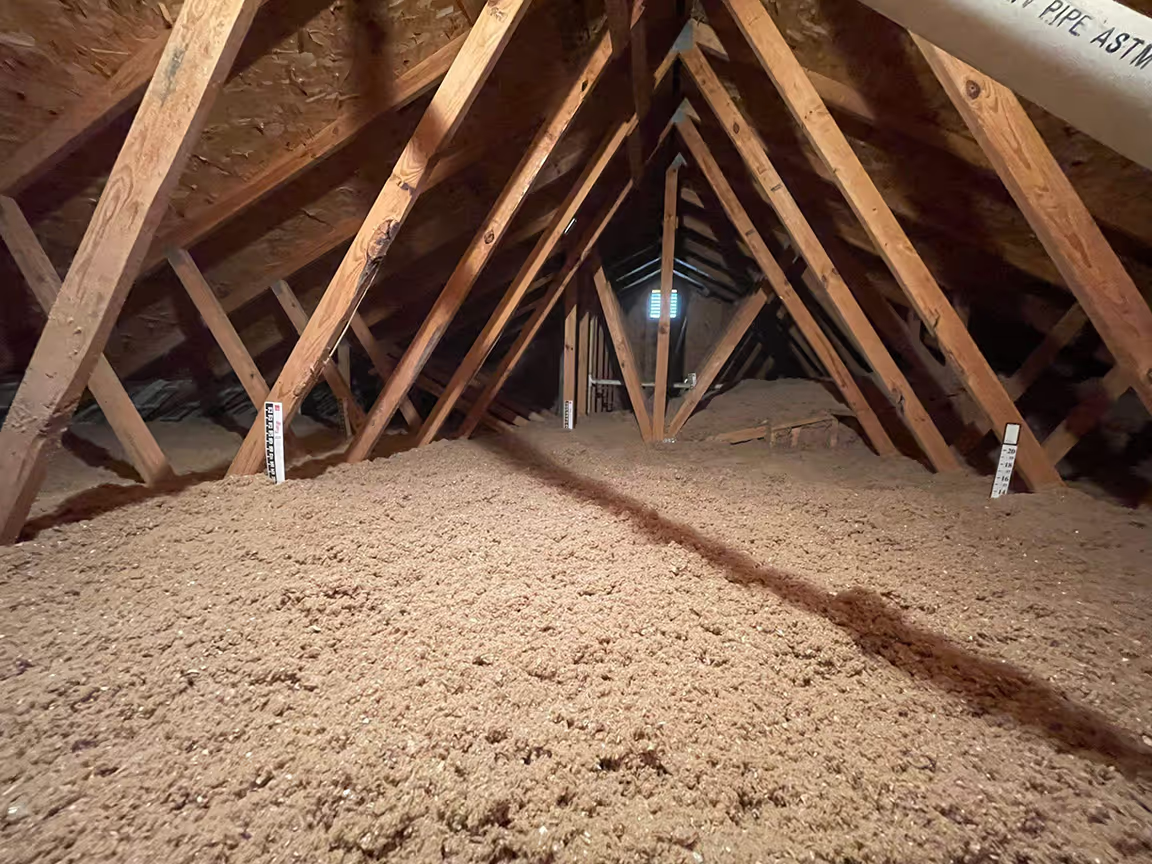
Cellulose insulation uses recycled paper treated with fire retardants. Installers blow this loose material into attics and wall cavities where it fills gaps effectively.
Common insulation materials include:
- Fiberglass batts and rolls for walls and attics
- Cellulose for dense packing in existing walls
- Mineral wool for fire resistance
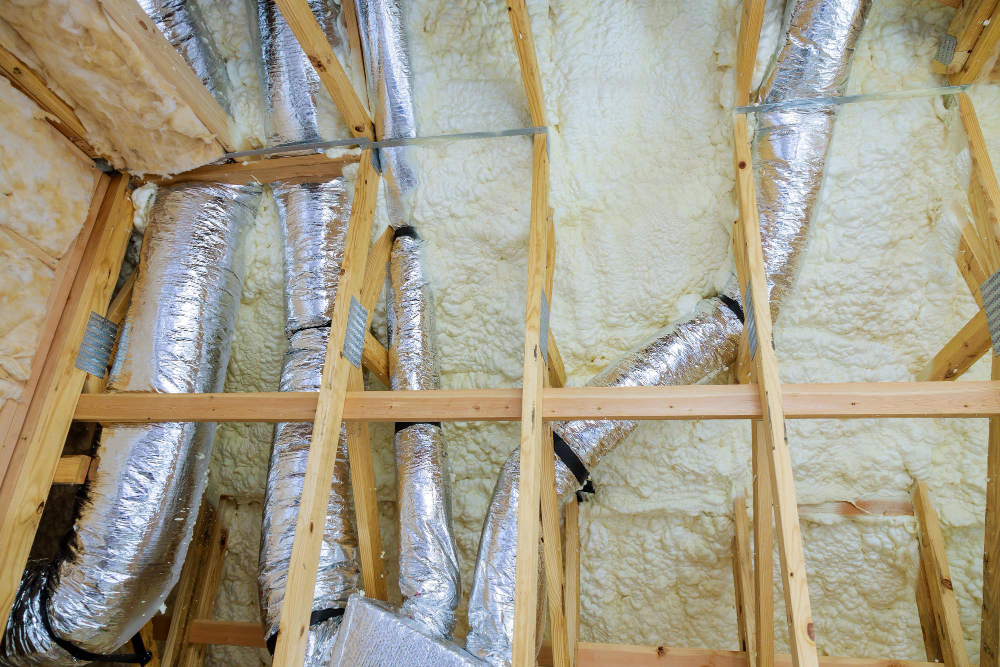
- Spray foam for air sealing and high R-values
- Rigid foam boards for basement walls
Spray foam provides the highest R-value per inch and creates an air seal as it expands. Rigid foam boards work best on basement walls and as exterior sheathing. Your installer will recommend materials based on your climate zone, budget, and specific home needs.
Enhancing thermal performance year-round
Proper insulation installation creates a thermal barrier that works in both heating and cooling seasons. During winter, it traps warm air inside and blocks cold outdoor temperatures from penetrating your living spaces. The opposite happens in summer when it keeps hot air out and preserves cool air from your air conditioning system.
R-value measures how well insulation resists heat flow. Higher R-values mean better thermal performance. Different climate zones require different R-values to achieve maximum efficiency.
According to the U.S. Department of Energy (DOE), recommended insulation R-values vary by climate zone and by location (attic, walls, floors), so the “right” insulation level depends on where you live and which part of the home you’re upgrading.
The thermal envelope is the boundary between conditioned and unconditioned spaces in your home. Professional installers ensure continuous coverage without gaps or compression. Compressed insulation loses effectiveness because air pockets provide the actual insulating power. Year-round performance depends on correct installation techniques and adequate R-value for your region.
Reducing drafts, hot spots, and cold spots
Drafts occur when air leaks through gaps in your home's structure. These leaks make certain rooms uncomfortable and force your HVAC system to work harder. Insulation installation addresses these problems by filling voids and creating continuous coverage.
Hot spots develop in summer when sun exposure heats poorly insulated areas. Cold spots appear in winter where insulation is missing or inadequate. You might notice these temperature differences near exterior walls, above doorways, or in rooms far from your thermostat.
Professional installers identify problem areas using thermal imaging cameras. They see exactly where heat escapes or enters your home. Spray foam excels at sealing small cracks and gaps that cause drafts. Batt insulation fills larger cavities in walls and ceilings. The combination of proper materials and complete coverage eliminates uncomfortable temperature variations between rooms.
Improving indoor air quality and moisture control
Insulation installation affects the air you breathe inside your home. Modern materials help control moisture movement through walls and ceilings. Moisture buildup leads to mold growth, wood rot, and poor air quality over time.
According to the U.S. EPA, controlling moisture is the key to controlling mold, and preventing condensation can include raising surface temperatures (for example, by insulating) or reducing indoor humidity.
Vapor barriers work with insulation to block moisture from entering wall cavities. Installers place these barriers on the warm side of insulation in cold climates. This prevents condensation from forming inside walls when warm, moist indoor air meets cold surfaces.
Proper ventilation must accompany insulation upgrades. Your home needs controlled air exchange to remove indoor pollutants, excess humidity, and stale air. Installers ensure attic spaces remain ventilated even after adding insulation. They maintain clearances around soffit vents and install baffles to preserve airflow paths. Some insulation types like spray foam also seal out outdoor allergens, dust, and pollen that would otherwise enter through cracks and gaps.
Signs your home needs insulation installation
Most homes with poor insulation show clear warning signs through higher utility costs, uncomfortable indoor conditions, and moisture problems. Recognizing these issues early can help you address insulation gaps before they lead to bigger expenses.
High energy bills despite normal usage
Your heating and cooling systems have to work much harder when your home lacks proper insulation. This extra effort shows up directly on your monthly utility bills.
If your energy costs keep rising even though your usage patterns haven't changed, poor insulation is likely letting conditioned air escape. Your HVAC system runs longer cycles trying to maintain the temperature you set on your thermostat. About 89% of single-family homes in the United States don't have enough insulation, according to the Insulation Institute.
You can compare your bills from the same months in previous years to spot unusual increases. Ask your neighbors with similar-sized homes about their average costs too. A significant difference often points to insulation problems that need professional attention.
Uneven temperatures in different rooms
Good insulation keeps temperatures consistent throughout your entire home. When some rooms feel noticeably warmer or cooler than others, your insulation isn't doing its job.
You might notice your bedroom stays cold while the living room feels comfortable. Upper floors often get too hot in summer because heat rises and escapes through poorly insulated attics. Rooms above garages or on exterior walls typically show temperature problems first since they have more exposure to outside conditions.
These temperature differences make your home uncomfortable and waste energy. Your heating or cooling system can't effectively balance the climate when insulation gaps exist in certain areas.
Drafts near doors, windows, or vents
Drafts indicate that outside air is getting into your home through gaps in your insulation or air sealing. You can feel these drafts most easily on cold or windy days.
Hold your hand near window frames, door edges, electrical outlets, and baseboards. A noticeable temperature difference or air movement means your insulation has gaps. Light switches and outlets on exterior walls are common problem spots where insulation is missing or improperly installed.
Check your attic access point and areas where pipes or wires enter your walls. These spots often lack adequate sealing and insulation. Proper insulation combined with air sealing stops these drafts and improves your home's comfort level year-round.
Ice dams forming on the roof in winter
Ice dams develop when heat escapes through your roof and melts snow unevenly. The melted snow refreezes at the roof's edge, creating a dam that traps water.
This trapped water can damage your roof, gutters, and even leak into your home's interior. Ice dams form because warm air from your living space rises into an under-insulated attic. The warm attic melts the snow on your roof, but the eaves stay cold since they extend past the heated space.
Icicles hanging from your gutters might look nice, but they signal a serious insulation problem. Adding proper attic insulation and air sealing keeps heat inside your home where it belongs. This prevents the uneven temperatures that cause ice dams to form.
Moisture or mold issues in attics or walls
Inadequate insulation often leads to condensation problems that create an environment where mold can grow. When warm, moist indoor air reaches cold surfaces in your walls or attic, it forms water droplets.
You might see water stains on your ceilings or walls, especially in corners or along exterior walls. Your attic might feel damp or smell musty. Mold appears as dark spots or patches and poses health risks to your family.
Proper insulation with a vapor barrier controls moisture movement and maintains surface temperatures above the dew point. This prevents condensation from forming in the first place. If you notice any signs of moisture or mold, address your insulation immediately to protect both your home's structure and your family's health.
Types of residential insulation installation services
Homeowners can choose from several insulation installation services that target different areas of their homes. Each type addresses specific needs like energy savings, temperature control, and moisture management.
Attic insulation service for energy efficiency
Attic insulation service is one of the most important upgrades you can make to your home. Heat naturally rises, which means up to 25% of your home's heat can escape through an uninsulated or poorly insulated attic.
Professional installers evaluate your attic's current insulation levels by measuring depth and checking for gaps. They also assess access points and existing conditions before recommending the best materials.
Common options for attic spaces include blown-in fiberglass, cellulose, and spray foam. Blown-in materials work well for attics with irregular joist spacing or obstacles. The installation time varies based on attic size, accessibility, and whether old insulation needs removal first.
Proper attic insulation keeps your home cooler in summer and warmer in winter. This reduces the workload on your heating and cooling systems, which lowers your energy bills throughout the year.
Wall insulation installation for thermal comfort and soundproofing
Wall insulation installation improves both temperature control and noise reduction in your home. Exterior walls without proper insulation allow heat transfer that makes rooms uncomfortable and increases energy costs.
Installers use different methods depending on whether your walls are open during construction or already finished. New construction allows for batt insulation or spray foam between studs before drywall goes up. Existing walls require drilling small holes to blow in loose-fill insulation.
Wall insulation creates a thermal barrier that maintains consistent indoor temperatures. You'll notice fewer cold spots near exterior walls during winter and more even cooling during summer months.
The soundproofing benefits are an added advantage. Insulated walls reduce noise transmission from outside and between rooms, making your home quieter and more peaceful.
Floor and crawl space insulation to prevent heat loss
Floor and crawl space insulation stops heat from escaping through the bottom of your home. Floors above unheated spaces like crawl spaces, garages, or basements lose significant heat without proper insulation.
Installers typically use fiberglass batts fitted between floor joists in crawl spaces. They secure the batts with wire supports or straps to prevent sagging over time. Some projects also include vapor barriers to control moisture in damp crawl spaces.
Cold floors are uncomfortable and signal wasted energy. Proper floor insulation keeps your feet warmer and reduces drafts that make rooms feel chilly. Your heating system won't have to work as hard to maintain comfortable temperatures.
Crawl space insulation also protects pipes from freezing and reduces moisture problems that can lead to mold growth or structural damage.
Spray foam insulation for air sealing and moisture protection
Spray foam insulation expands to fill gaps and creates an airtight seal that other insulation types can't match. It comes in two forms: open-cell and closed-cell, each with different properties and applications.
Open-cell foam is lighter and less expensive. It provides good insulation and sound dampening but allows some moisture vapor to pass through. Closed-cell foam is denser and more expensive, offering higher insulation values and complete moisture barriers.
The expanding nature of spray foam makes it ideal for irregular spaces, rim joists, and areas with many penetrations. It seals air leaks while insulating, which addresses two problems at once. This dual function makes spray foam highly effective at reducing energy waste.
Professional installation is required because spray foam needs proper mixing and application. The foam cures quickly and forms a permanent seal that won't settle or shift over time.
Fiberglass and cellulose options for cost-effective solutions
Fiberglass and cellulose insulation offer proven performance at lower costs than spray foam. These materials have been used in homes for decades and remain popular choices for budget-conscious projects.
Fiberglass comes in batts (pre-cut sections) or loose-fill (blown-in). Batts are easy to install in standard stud and joist spaces. Loose-fill fiberglass works well for attics and irregular areas where batts don't fit properly.
Cellulose is made from recycled paper products treated with fire retardants. It's blown into attics, walls, and other spaces as loose-fill insulation. Cellulose settles slightly over time but provides excellent coverage around obstacles.
Both materials are non-toxic, fire-resistant, and effective at reducing heat transfer. Installation costs are typically 30-50% less than spray foam while still delivering substantial energy savings. Your choice between fiberglass and cellulose often depends on the specific area being insulated and installer availability.
Benefits of professional residential insulation installation
Professional insulation installation delivers measurable improvements in energy costs, home comfort, and property protection. These benefits extend beyond simple temperature control to include air quality enhancements and long-term financial advantages.
Lower energy bills and increased efficiency
Professional installers reduce your heating and cooling costs by eliminating gaps and ensuring complete coverage throughout your home. They know where heat escapes most often and use specialized equipment to seal these areas properly.
Your energy bills can drop by 15% to 20% after proper insulation installation. This happens because your HVAC system doesn't have to work as hard to maintain comfortable temperatures. The system runs less frequently and uses less power.
Per ENERGY STAR, homeowners can save about 15% on heating and cooling costs by air sealing and adding insulation in key areas like attics, floors, and crawlspaces.
Trained installers measure the right amount of insulation for each space based on your climate zone. They achieve the correct R-value for your walls, attic, and floors. This precision prevents over-insulation in some areas and under-insulation in others.
Year-round comfort and temperature consistency
Professional installation eliminates hot and cold spots in your home by creating an even thermal barrier. You'll notice rooms that were previously uncomfortable become usable spaces throughout all seasons.
Your heating and cooling systems maintain stable temperatures more easily when insulation is installed correctly. The indoor temperature stays consistent from room to room and floor to floor. You won't experience drafts near windows or walls during winter months.
Professional crews understand how to handle different insulation types for various areas of your home. They install vapor barriers where needed and ensure proper ventilation to prevent moisture buildup while maintaining thermal performance.
Reduced risk of mold and moisture damage
Proper insulation installation includes moisture control measures that protect your home's structure. Professional installers place vapor barriers in the right locations and ensure your attic has adequate ventilation to prevent condensation.
Moisture trapped in walls or attics creates ideal conditions for mold growth and wood rot. Professional crews identify potential problem areas before installation begins. They seal air leaks where warm, moist indoor air could reach cold surfaces and form condensation.
Your home's structural integrity depends on keeping moisture out of wall cavities and attic spaces. Professional installers understand building science principles and local building codes. They create insulation systems that work with your home's natural ventilation patterns.
Improved indoor air quality
Professional insulation installation reduces outdoor allergens, pollutants, and dust from entering your living spaces. The sealed building envelope filters incoming air through proper ventilation systems rather than through random cracks and gaps.
Your family breathes cleaner air when insulation is installed without gaps or compression. Professional installers wear protective gear and contain insulation particles during installation. They clean work areas thoroughly to prevent loose fibers from circulating through your home.
Proper air sealing also keeps vehicle exhaust, pollen, and outdoor contaminants from infiltrating your home. You'll notice less dust accumulation on surfaces and fewer respiratory irritants in your indoor environment.
Long-term home value and durability
Professional insulation installation increases your home's resale value and appeal to potential buyers. Energy-efficient homes sell faster and command higher prices in competitive markets.
Your investment in professional installation includes proper documentation and warranty coverage. Installers ensure all work meets current building codes and energy standards. This compliance protects you during home inspections and appraisals.
Quality insulation extends the lifespan of your HVAC equipment by reducing runtime and system stress. Your home's building materials also last longer when protected from temperature extremes and moisture damage. Professional installation typically includes a warranty that covers both materials and workmanship.
How Terra Insulation ensures quality installation
Terra Insulation combines skilled contractors, thorough home assessments, and premium materials to deliver insulation installations that meet industry standards and exceed homeowner expectations.
Licensed and experienced insulation contractors
Professional insulation contractors at Terra Insulation hold valid licenses and certifications required by state and local regulations. Each team member completes ongoing training in installation techniques, safety protocols, and building code requirements.
The company only hires contractors with verified experience in residential insulation projects. These professionals understand how to handle different insulation types and can identify potential issues before they become problems. They follow RESNET Grade 1 installation standards, which means your insulation will have no gaps, voids, compression, or misalignment with air barriers.
Each installer receives training on proper handling of materials and safety equipment. This ensures your home stays protected during the installation process.
Customized solutions based on home assessment
Before installation begins, Terra Insulation conducts a detailed assessment of your home's current insulation and energy needs. This inspection identifies areas where heat loss occurs and determines the best insulation type for each space.
The assessment includes:
- Checking existing insulation levels and condition
- Measuring air leakage points
- Evaluating ventilation requirements
- Testing for moisture problems
- Calculating recommended R-values for your climate zone
You receive a written report that explains the findings and recommended solutions. The team designs a customized installation plan based on your home's specific structure, budget, and energy goals. This approach ensures you get the right amount and type of insulation in each area.
Advanced tools and materials for optimal results
Terra Insulation uses professional-grade equipment designed for precise installation. The company invests in updated tools that improve installation speed and accuracy while maintaining safety standards.
The materials come from verified manufacturers that meet building code requirements. You can choose from various insulation types including fiberglass batts, blown-in cellulose, and spray foam. Each product has been tested for fire resistance, moisture control, and thermal performance.
Installation equipment includes calibrated blowers for even distribution, cutting tools for proper fitting, and testing devices to verify coverage. The team also uses air sealing materials to create complete thermal barriers that prevent energy loss.
Reliable and timely service for homeowners
Terra Insulation schedules projects based on your availability and completes work within the agreed timeline. The company provides upfront estimates with detailed breakdowns of labor and material costs.
You receive regular updates about project status and any unexpected findings during installation. The team arrives on time with all necessary equipment and materials ready. They complete daily cleanups to keep your home tidy throughout the project.
If weather or other factors cause delays, you get immediate notification with a revised schedule. The company maintains open communication channels so you can reach them with questions or concerns.
Long-lasting warranties and customer satisfaction
Your insulation installation includes warranty coverage for both materials and workmanship. Material warranties typically range from 20 to 50 years depending on the product type. The workmanship warranty covers installation errors for a specified period.
Terra Insulation performs post-installation inspections to verify proper coverage and performance. These Quality Insulation Installation inspections check for proper density, complete coverage, and correct R-values throughout your home.
The company keeps detailed records of your installation including product specifications, R-values achieved, and areas treated. You receive documentation that future home inspectors or buyers can review. If issues arise after installation, the warranty covers repairs or corrections at no additional cost to you.
Conclusion
Choosing the right residential insulation installation service makes a real difference in your home's comfort and energy costs. Professional contractors bring the expertise and tools needed to install insulation correctly in your walls, attic, basement, and crawl spaces.
When you hire qualified installers, you get proper materials for your specific needs. They know how to handle different insulation types and understand building codes in your area. This knowledge prevents common mistakes that can reduce efficiency or cause problems later.
Your investment in professional insulation installation pays off through lower energy bills and better temperature control. The right contractor will guide you through the process from start to finish. They assess your home, recommend appropriate solutions, and complete the work efficiently.
Professional installation also ensures your insulation performs as expected for years to come. Contractors follow best practices that DIY efforts often miss. You gain peace of mind knowing the job meets industry standards.
Take time to research local insulation contractors before making your decision. Ask questions about their process, materials, and warranties. A trustworthy professional will answer clearly and help you understand your options without pressure.
Request an in-home insulation estimate from Terra Insulation so our professional insulation contractors can evaluate attic and wall insulation needs, recommend the most energy-efficient insulation option for your home, and provide clear, itemized pricing for installation.