

Residential insulation services help homeowners improve energy efficiency by installing or upgrading insulation in key areas of the home.
Your home's insulation plays a key role in keeping you comfortable and controlling your energy costs. Without proper insulation, heated or cooled air escapes through walls, attics, and crawl spaces. This forces your heating and cooling systems to work harder and raises your utility bills.
Professional contractors assess your property, identify problem spots, and recommend the best insulation materials for your needs. These services include everything from attic insulation to wall foam injection and air sealing.
This guide explains what residential insulation services include, the benefits they provide, and how to choose the right contractor for your project.
Here's what you need to know:
- Residential insulation services for energy-efficient homes
- What residential insulation services include
- Benefits of professional residential insulation services
- Types of insulation used in residential services
- Signs your home needs insulation services
- How to choose the right residential insulation contractor
- Why homeowners trust Terra Insulation for residential services
Whether you're building a new home or improving an older property, quality insulation makes a real difference.
Residential insulation services for energy-efficient homes
Residential insulation services help you create a more comfortable and energy-efficient home. Professional contractors install various types of insulation in your attic, walls, and other areas where heat escapes or enters your house.
These services focus on reducing your energy bills and maintaining consistent indoor temperatures. When your home has proper insulation, your heating and cooling systems don't have to work as hard.
According to ENERGY STAR (U.S. EPA), homeowners can save an average of about 15% on heating and cooling costs (about 11% on total energy costs) by air sealing and adding insulation in key areas like attics, floors over crawl spaces, and basements.
This means lower monthly costs and less wear on your HVAC equipment.
Common types of home insulation services include:
- Spray foam insulation for complete coverage
- Blown-in insulation for existing walls and attics
- Batt insulation for new construction
- Air sealing to eliminate drafts
The amount of insulation you need depends on your climate and the area being insulated. Your contractor will recommend the right R-value, which measures how well insulation resists heat flow.
Per the U.S. Department of Energy (DOE), recommended insulation R-values vary by climate zone and by where you’re insulating (such as attics, walls, and crawl spaces), so a contractor should verify target R-values for your specific home rather than guessing.
Professional insulation services address common problems like ice dams, drafts, and rooms that are too hot or cold. You might notice snow melting quickly off your roof or unusually high heating bills. These signs often point to insufficient insulation.
Expert installers assess your current insulation levels and identify areas that need improvement. They use specialized equipment and techniques to ensure proper coverage without gaps or compression. This attention to detail makes a real difference in performance.
Quality home insulation services also improve indoor air quality by reducing moisture and preventing mold growth. Your home stays more comfortable year-round with fewer temperature fluctuations between rooms.
What residential insulation services include
Professional insulation contractors handle multiple areas of your home, from installing new materials in your attic to sealing air leaks that waste energy. These services focus on making your home more comfortable and reducing your heating and cooling costs.
Attic insulation installation and upgrades
Your attic is one of the most important areas to insulate because heat naturally rises and escapes through your roof. Professional contractors install batt insulation, blown-in insulation, or spray foam to create a thermal barrier between your living space and the outside.
Installation involves measuring the current insulation depth, removing old or damaged materials if needed, and adding new insulation to meet recommended R-values for your climate zone. Contractors also insulate around building components like electrical boxes and ensure proper ventilation to prevent moisture problems.
Upgrades become necessary when existing insulation has settled, gotten wet, or no longer provides adequate coverage. Many homes built before modern energy codes have insufficient attic insulation. Adding more insulation typically pays for itself through lower energy bills within a few years.
Wall, crawl space, and basement insulation
Wall insulation requires different techniques depending on whether your home is new construction or existing. For existing walls, contractors use drill-and-fill methods or injection foam that fills cavities without removing drywall. New construction uses batt insulation or spray foam applied before walls are closed.
Crawl space insulation services include insulating the walls or floor joists and often adding vapor barriers to control moisture. This prevents cold floors in winter and reduces energy loss.
Basement insulation focuses on foundation walls and rim joists, which are common sources of air leaks and heat loss. Contractors seal gaps and apply insulation materials appropriate for below-grade spaces where moisture resistance matters.
Air sealing and energy efficiency improvements
Air sealing works together with insulation to maximize energy savings. Gaps, cracks, and holes in your home's envelope let conditioned air escape and outside air enter, forcing your heating and cooling systems to work harder.
Professional contractors identify leaks using diagnostic tools and seal them with caulk, spray foam, or weatherstripping. Common problem areas include door and window frames, plumbing penetrations, electrical outlets, and where different building materials meet.
These improvements can reduce your energy bills by 15-20% while making your home more comfortable by eliminating drafts and temperature variations between rooms.
Benefits of professional residential insulation services
Professional insulation services deliver measurable improvements in comfort, cost savings, and home protection. These benefits stem from expert installation techniques and proper material selection that address your home's specific needs.
Improved home comfort and temperature consistency
Professional installers identify and seal gaps that create drafts and temperature variations throughout your home. They understand how air moves through walls, attics, and crawl spaces. This expertise ensures your heating and cooling systems maintain stable temperatures in every room.
Your home stays warmer in winter and cooler in summer without constant thermostat adjustments. Hot and cold spots disappear when trained technicians properly install insulation around windows, doors, and wall cavities. They use specialized equipment to detect thermal bridging and air leakage that you might miss.
Professional crews also know the right R-values for your climate zone and specific areas of your home. Different spaces require different insulation depths and materials. Attics typically need higher R-values than walls, and professionals apply these standards correctly the first time.
Lower energy bills through enhanced efficiency
Energy-efficient insulation reduces the workload on your HVAC system by preventing heated or cooled air from escaping. Your furnace and air conditioner run less frequently when insulation creates an effective thermal barrier. This reduction in runtime translates directly to lower monthly utility costs.
Most homeowners see a 15-30% decrease in energy bills after professional insulation installation. The exact savings depend on your home's age, current insulation condition, and local climate. Professionals can calculate your potential savings before starting work.
Proper installation eliminates compression and gaps that reduce insulation performance. Even small spaces around pipes or electrical boxes let conditioned air escape and waste energy. Trained installers seal these areas completely using appropriate techniques and materials for each situation.
Moisture control and mold prevention
Professional insulation services include vapor barriers and proper ventilation planning to prevent moisture buildup. Moisture trapped in walls or attics creates ideal conditions for mold growth and structural damage. Experts position barriers correctly based on your climate and home design.
According to the U.S. EPA, indoor relative humidity should be kept below 60% and ideally between 30% and 50% (if possible) to help reduce conditions that support mold growth—supporting moisture control measures alongside insulation and air sealing.
They also install insulation without blocking necessary airflow paths in attics and crawl spaces. Balanced ventilation removes excess humidity while maintaining insulation effectiveness. This prevents condensation on cold surfaces during winter months.
Professional installers recognize signs of existing moisture problems before adding new insulation. They address leaks, improve drainage, and ensure your home dries properly. This preparation protects your investment and prevents health hazards from mold exposure.
Types of insulation used in residential services
Different insulation materials work better for specific areas of your home and installation methods. The three main types used in residential services are spray foam, blown-in, and fiberglass batt insulation.
Spray foam insulation
Spray foam insulation comes in two forms: open-cell and closed-cell. Open-cell foam is lighter and less expensive, with an R-value of about 3.5 per inch. Closed-cell foam is denser and provides an R-value of around 6.5 per inch.
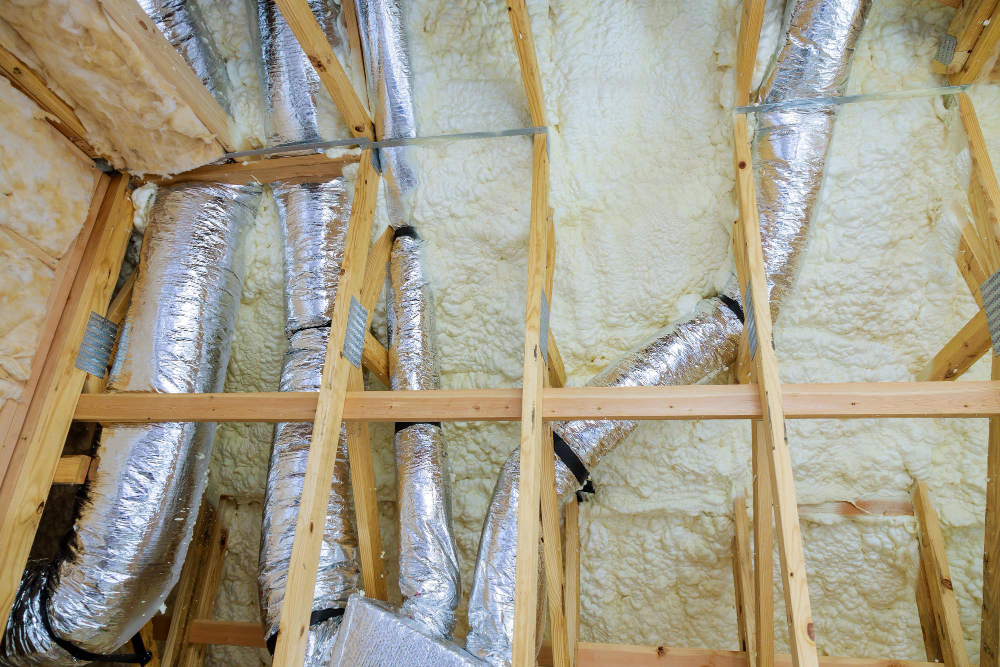
This type of insulation expands when applied, filling gaps and cracks that other materials might miss. It creates an air-tight seal that blocks drafts and moisture. Spray foam works well in attics, crawl spaces, and rim joists.
The material adheres to surfaces and doesn't settle over time. You'll need a professional to install spray foam because it requires special equipment and safety measures. The higher upfront cost often pays off through better energy savings and longer performance.
Blown-in insulation
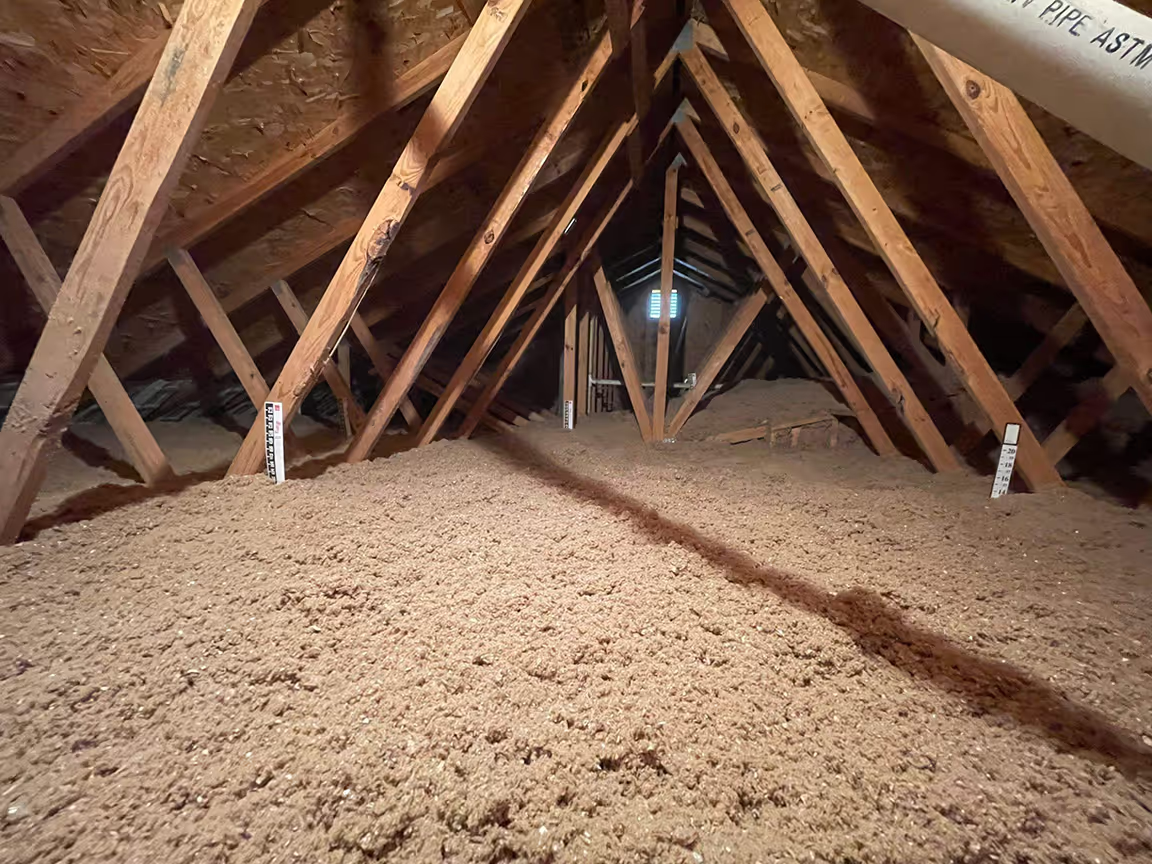
Blown-in insulation includes loose-fill materials like cellulose, fiberglass, and mineral wool. Installers use special machines to blow these materials into attics, walls, and hard-to-reach spaces. This method works especially well for adding insulation to existing homes.
Cellulose is made from recycled paper products treated with fire retardants. Fiberglass loose-fill consists of tiny glass fibers. Mineral wool comes from natural rock or industrial slag.
The loose nature of these materials lets them conform to spaces around pipes, wires, and irregular framing. They fill gaps better than rigid insulation types. Blown-in insulation settles slightly over time but maintains most of its insulating value. The R-value ranges from 2.2 to 3.8 per inch depending on the material.
Fiberglass and batt insulation
Fiberglass batt insulation comes in pre-cut panels or rolls that fit between wall studs, floor joists, and ceiling rafters. The batts are available in standard widths of 15 or 23 inches to match common framing spacing.
You can buy faced batts with a vapor barrier or unfaced batts without one. The R-value typically ranges from R-13 to R-38 depending on thickness. This insulation type costs less than spray foam and works well for new construction or exposed framing.
Installation is straightforward for accessible areas. You cut the batts to length and press them into place between framing members. Proper installation matters because gaps and compression reduce effectiveness. The material doesn't block air movement as well as spray foam, so you need to seal air leaks separately.
Signs your home needs insulation services
Your home shows specific warning signs when insulation fails or becomes inadequate. Higher energy costs, temperature problems between rooms, and moisture issues all point to insulation that needs professional attention.
High energy bills without increased usage
Your heating and cooling costs should stay consistent when you use your HVAC system the same way each month. A sudden jump in energy bills without changing your habits means your home is losing conditioned air.
Poor insulation forces your heating and cooling system to work longer and harder. The system runs more cycles to maintain your desired temperature because heat escapes in winter or enters in summer through walls, attics, and crawl spaces.
You can compare your current bills to the same months from previous years. A 10-20% increase without explanation often indicates insulation problems. Your HVAC system may also run constantly but struggle to reach the temperature you set on your thermostat.
Uneven heating or cooling in rooms
Some rooms feel comfortable while others stay too hot or too cold. This temperature difference between spaces indicates insulation gaps or settling in certain areas of your home.
Rooms above garages, bonus rooms, and spaces on upper floors commonly show these issues first. Poor insulation in walls or attics allows outdoor temperatures to affect these rooms more than others. You might notice one bedroom stays cold in winter while the rest of your home feels warm.
Touch your interior walls during extreme weather. Cold walls in winter or hot walls in summer reveal inadequate insulation behind the drywall. Your floors may also feel cold, especially above crawl spaces or unheated basements.
Drafts, moisture, or condensation issues
Air leaks around windows, doors, electrical outlets, and baseboards show that insulation has gaps or has settled away from these areas. You can feel these drafts on windy days or when your HVAC system runs.
Water stains on ceilings or walls point to both roof problems and insulation that has absorbed moisture. Wet insulation loses its effectiveness and creates conditions for mold growth. You might notice a musty smell in certain rooms or see dark spots forming on walls.
Condensation forms on windows when humid indoor air meets cold glass surfaces. This happens more often when insulation fails to create a proper thermal barrier. Ice dams on your roof during winter also indicate heat loss through inadequate attic insulation.
How to choose the right residential insulation contractor
Selecting a contractor requires careful attention to credentials, clear cost expectations, and installation standards. These three factors directly impact the performance and longevity of your insulation system.
Licensing, certifications, and experience
Check that any contractor you consider holds valid state and local licenses for insulation work. Licensed contractors meet minimum requirements and carry proper insurance coverage to protect you from liability.
Look for certifications from recognized industry organizations. Professional insulation contractors often hold certifications from groups like the Insulation Contractors Association of America or manufacturer-specific training programs. These credentials show specialized knowledge in installation techniques and safety protocols.
Experience matters when evaluating contractors. Ask how long they've been in business and whether they specialize in residential projects. A contractor with 10+ years of residential insulation experience typically understands building codes, common home construction challenges, and proper installation methods for different home types.
Request references from recent projects similar to yours. Contact at least three past customers to ask about work quality, timeline adherence, and whether they experienced any issues after installation.
Transparent pricing and detailed estimates
Get written estimates from at least three contractors before making your decision. Each estimate should list specific costs for materials, labor, equipment, and any additional fees.
A complete estimate includes:
- Square footage of areas to be insulated
- Type and R-value of insulation materials
- Preparation work needed (removing old insulation, repairs)
- Labor costs broken down by task
- Timeline for project completion
- Warranty information for materials and workmanship
Be cautious of prices significantly lower than competitors. Extremely low bids often indicate shortcuts in materials or installation quality. The contractor should explain their pricing clearly and answer questions about cost differences between insulation types.
Ask about payment terms upfront. Most contractors require a deposit but never pay the full amount before work begins.
Quality materials and proper installation methods
Professional insulation contractors use materials appropriate for your climate zone and home structure. They should recommend specific products and explain why those options fit your needs better than alternatives.
Ask what insulation types they work with regularly. Contractors specializing in spray foam, fiberglass batts, or blown-in cellulose should demonstrate expertise in their preferred materials. Some contractors offer multiple options and can help you compare benefits.
Proper installation requires specific techniques for each material type. Spray foam needs even coverage without gaps. Fiberglass batts must fit snugly without compression. Blown-in insulation requires consistent density throughout the space.
The contractor should follow manufacturer specifications and building codes. Request information about their installation process, including how they handle air sealing, vapor barriers, and ventilation requirements. These details prevent moisture problems and ensure your insulation performs as expected.
Why homeowners trust Terra Insulation for residential services
Terra Insulation has built a strong reputation through experienced contractors, customized energy solutions, and a focus on long-term home performance. Homeowners choose this company because they deliver reliable results that improve comfort and reduce energy costs.
Experienced and certified insulation contractors
Terra Insulation employs contractors who specialize in insulation work rather than general home improvement. This focused expertise means your project is handled by professionals who understand building codes, energy efficiency standards, and proper installation techniques.
The certification process ensures contractors stay updated on the latest insulation materials and methods. You benefit from this knowledge through proper R-value selection for your climate zone and correct installation that prevents air leaks and moisture problems.
Professional insulation contractors know how to assess your home's specific needs. They identify problem areas like attic bypasses, rim joists, and wall cavities that general contractors might miss. This attention to detail makes a measurable difference in your energy bills and indoor temperature control.
Energy-efficient solutions tailored to your home
Your home requires specific insulation solutions based on its age, construction, and climate. Terra Insulation evaluates these factors to recommend the right insulation type and R-value for each area of your house.
Different spaces need different approaches. Attics typically require higher R-values than walls, while basements face moisture concerns that affect material selection. The company matches insulation products to these requirements rather than using a standard solution for every project.
Common customized solutions include:
- Mineral wool for fire resistance in specific areas
- Spray foam for air sealing and high R-value per inch
- Fiberglass batts for cost-effective wall insulation
- Rigid foam boards for basement applications
This tailored approach ensures you get maximum energy savings without overspending on unnecessary materials.
Commitment to comfort, efficiency, and durability
Terra Insulation focuses on results that last beyond installation day. Properly installed insulation maintains its R-value for decades when protected from moisture and physical damage.
The company addresses all three aspects of home performance. Comfort improves through consistent temperatures and reduced drafts. Efficiency increases as your heating and cooling systems work less to maintain desired temperatures. Durability comes from using quality materials and following manufacturer installation guidelines.
You see these benefits in lower utility bills, fewer hot and cold spots, and reduced strain on your HVAC equipment. The insulation continues working year after year without maintenance or replacement.
Conclusion
Residential insulation services provide real benefits for your home. These services improve energy efficiency and reduce heating and cooling costs throughout the year. Professional contractors install materials that keep your home comfortable in all seasons.
When you hire an insulation contractor, you invest in your property's long-term value. The right insulation lowers your monthly energy bills. It also increases your home's resale value and makes living spaces more comfortable.
You should choose contractors with proper certifications and experience. Look for professionals who use quality materials and have positive customer reviews. The right contractor will assess your specific needs and recommend appropriate solutions.
Insulation services are not a one-size-fits-all solution. Your home's age, location, and current insulation affect what you need. Professional contractors evaluate these factors before starting work.
The upfront cost of insulation services pays off through energy savings. Most homeowners see reduced utility bills within the first year. Your home becomes more energy-efficient and comfortable for everyone living there.
Working with experienced insulation contractors ensures proper installation. This means better performance and longer-lasting results for your investment.
Schedule a home insulation assessment with Terra Insulation so a professional insulation contractor can evaluate your attic, wall, and crawl space insulation, identify air leaks, and provide a clear scope and estimate for the most effective upgrades.