
Your home loses a lot of energy through your attic if it lacks proper insulation. High energy bills and uncomfortable temperatures often mean your attic needs more insulation. Blown-in attic insulation services offer a fast and effective way to fill gaps in your attic, reduce energy costs, and keep your home comfortable year-round.
Adding attic insulation (and reducing air leaks) can materially cut energy costs; according to the U.S. Department of Energy (DOE), homeowners can save up to about 20% on heating and cooling costs (or up to about 10% on total energy costs) by adding insulation in key areas like attics and reducing unwanted air leaks.
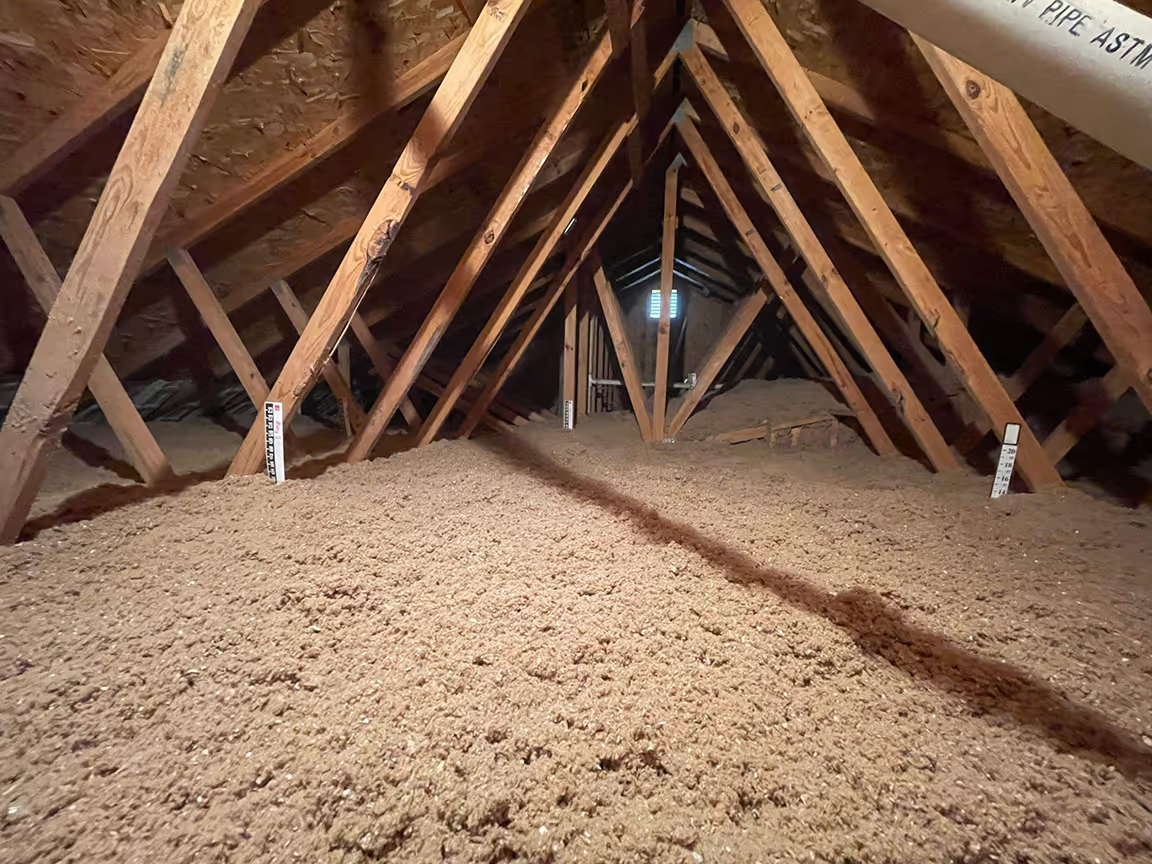
This type of insulation works differently than traditional rolls or batts. Professionals use special equipment to blow loose insulation material into your attic through a hose. The process takes just a few hours and covers hard-to-reach spaces that other insulation types miss.
This guide covers the signs your attic needs new insulation, the different material options available, and how to choose between doing it yourself or hiring professionals. It also explains what makes quality insulation services worth the investment and how to keep your insulation working well for years.
Here’s what you’ll find below:
- What are blown-in attic insulation services and why they matter
- Signs your attic needs blown-in insulation
- Types of blown-in attic insulation
- How professional blown-in attic insulation services work
- Benefits of blown-in attic insulation
- DIY vs professional blown-in insulation installation
- How to maintain blown-in attic insulation
- Why choose Terra Insulation for blown-in attic insulation services
Keep reading! Understanding how blown-in insulation works helps homeowners make smart decisions about their homes.
What are blown-in attic insulation services and why they matter
Blown-in attic insulation services provide homeowners with a method to improve their home's thermal performance using loose-fill materials installed by machine. These services address energy loss, reduce utility costs, and create more consistent indoor temperatures throughout the year.
Understanding blown-in insulation and its advantages
Blown-in insulation uses loose-fill material applied through a specialized machine that sprays it into attic spaces. The three main material types include cellulose made from recycled paper, fiberglass composed of glass fibers, and mineral wool created from rock-based fibers.
Loose-fill (blown-in) is often chosen for coverage advantages over batts; according to Oak Ridge National Laboratory, blowing loose-fill attic insulation (fiberglass, rock wool, or cellulose) typically provides better coverage than batts and is often less expensive to install (costs vary).
The installation method allows the material to fill irregular spaces that other insulation types cannot reach. It flows around obstacles like joists, wiring, and framing to create complete coverage. Every corner and tight space receives insulation material without leaving gaps.
This type of insulation works well in older homes where attic spaces have unusual shapes or existing structures that make traditional insulation difficult to install. The loose-fill composition adapts to any space configuration. It settles into areas that would remain uninsulated with rigid panels or batts.
Key advantages include:
- Fills gaps and hard-to-reach areas completely
- Adapts to irregular attic shapes and obstacles
- Provides consistent thermal coverage throughout the space
- Reduces air leakage better than many alternatives
How attic insulation affects energy efficiency and comfort
Poor attic insulation creates significant energy waste in homes. Heat rises and escapes through inadequately insulated attics during winter months. During summer, heat transfers downward into living spaces and increases cooling costs.
Proper attic insulation creates a thermal barrier that keeps conditioned air inside living spaces. This barrier reduces the workload on heating and cooling systems. Lower system operation translates directly to reduced monthly energy bills.
Temperature consistency improves throughout the home when attics receive adequate insulation. Rooms maintain more stable temperatures without hot or cold spots. Homeowners experience better comfort year-round regardless of outside weather conditions.
Blown-in insulation delivers consistent thermal performance across the entire attic space. The material's ability to fill every gap means fewer thermal leaks compared to traditional insulation methods. This complete coverage maximizes energy savings and comfort improvements.
Benefits of professional installation over DIY
Professional installers use specialized equipment that ensures even distribution of insulation material. The blowing machines maintain consistent density throughout the installation area. Proper density affects the insulation's ability to perform at its rated R-value.
Professionals assess attic conditions before installation begins. They check for mold, mildew, moisture problems, and ventilation issues that could reduce insulation effectiveness. These inspections identify problems that homeowners might overlook.
Experienced installers know the correct R-values required by local building codes. They calculate the amount of material needed to meet these requirements. Incorrect calculations lead to inadequate insulation or wasted materials.
Professional services include:
- Pre-installation inspections and assessments
- Proper equipment for consistent material distribution
- Knowledge of local code requirements
- Experience avoiding common installation mistakes
- Verification of adequate coverage and density
Safety considerations make professional installation worthwhile. Attics contain electrical wiring, structural elements, and ventilation systems that require careful handling. Professionals know how to work around these features without creating hazards or damage.
Signs your attic needs blown-in insulation
Your attic may need blown-in insulation if you notice rising energy costs, temperature differences between rooms, visible insulation problems, or air leaking through openings. These warning signs point to poor thermal protection that blown-in insulation can fix.
High energy bills despite normal usage
Energy bills that keep climbing without a change in how you use heating or cooling often mean your attic lacks proper insulation. Heat escapes through poorly insulated attics in winter, while hot air penetrates into living spaces during summer. Your HVAC system runs longer and works harder to maintain comfortable temperatures.
About 90% of homes in the United States don't have enough insulation. This causes wasted energy and higher monthly costs. You can compare your current bills to previous years during the same season to spot unusual increases.
Common signs of insulation-related energy waste:
- Bills increase by 15-25% without usage changes
- HVAC system cycles on and off frequently
- Heating or cooling never seems to catch up
- Thermostat settings need constant adjustment
Your attic should act as a thermal barrier between outdoor temperatures and your living space. When insulation fails at this job, your wallet feels the impact each month.
Uneven temperatures or cold spots in the home
Rooms that feel significantly warmer or cooler than others suggest insufficient attic insulation. Upper floor rooms often show the most dramatic temperature swings because they sit closest to the attic. One bedroom might feel like a sauna while another stays uncomfortably chilly.
These temperature differences happen when heat transfers freely through gaps in insulation coverage. Certain areas of your attic may have settled, compressed, or missing insulation that creates thermal weak points. Cold spots near ceilings or exterior walls are particularly telling.
The problem gets worse during extreme weather. Winter brings ice-cold patches in rooms that should be warm. Summer creates hot zones that your air conditioner can't seem to cool down.
Visible gaps or compressed existing insulation
Looking at your attic insulation tells you a lot about its condition. You should not be able to see floor joists easily when you look across your attic. If you can see the wooden beams, your insulation is too thin or has settled significantly.
Old insulation compresses and loses its effectiveness over time. Fiberglass batts that look flat or matted down don't trap air properly anymore. Insulation should appear fluffy and full to work correctly.
What to look for during an attic inspection:
- Floor joists visible through insulation
- Flat, compressed material instead of fluffy texture
- Dark or discolored patches indicating moisture damage
- Empty spots between joists or near eaves
- Insulation depth less than 10-14 inches
Gaps between insulation sections create pathways for heat transfer. Even small openings reduce the overall thermal resistance of your attic significantly.
Drafts or air leaks near vents and attic openings
Air moving through attic access points, recessed lights, or vents signals inadequate sealing and insulation. You might feel cool air coming from ceiling fixtures or notice drafts near attic hatches. These leaks waste energy and reduce indoor comfort throughout your home.
Attic penetrations like pipes, wires, and ductwork create natural weak points. Without proper insulation around these features, conditioned air escapes while outside air enters freely. Blown-in insulation fills irregular spaces around these obstacles effectively.
Check for light coming through gaps in your attic floor when standing in the rooms below with attic lights on. Visible light means air can flow through those same openings. Temperature differences near these leak points become obvious when you hold your hand close to suspect areas.
Types of blown-in attic insulation
Two main materials dominate the blown-in insulation market: cellulose and fiberglass. Both offer distinct advantages in terms of performance, cost, and environmental impact that homeowners should understand before making a selection.
Cellulose attic insulation for eco-friendly and effective coverage
Cellulose attic insulation consists of recycled paper products, primarily newspaper, treated with fire-retardant chemicals. This material contains up to 85% recycled content, making it one of the most environmentally friendly insulation options available.
The dense composition of cellulose allows it to settle into small gaps and crevices effectively. It provides an R-value of approximately 3.5 to 3.8 per inch of thickness. This rating means cellulose offers strong thermal resistance for most climate zones.
Cellulose performs well at reducing air infiltration because of its ability to fill irregular spaces. The material also helps with sound dampening, which can reduce noise transfer between floors. Homeowners concerned about sustainability often prefer this option over synthetic alternatives.
The fire-retardant treatment applied to cellulose meets safety standards, though the material can absorb moisture if the attic experiences leaks or high humidity. Proper ventilation helps prevent moisture-related issues that could reduce insulation effectiveness over time.
Fiberglass blown-in insulation for durability and performance
Fiberglass blown-in insulation uses tiny glass fibers manufactured from sand and recycled glass. This material resists moisture better than cellulose and does not settle as much after installation.
The R-value for fiberglass typically ranges from 2.5 to 3.0 per inch. While slightly lower than cellulose, it remains effective for insulating attics in various climates. The material does not absorb water, which prevents degradation in humid conditions.
Fiberglass maintains its loft and insulating properties for decades without significant settling. It does not provide food for pests, and the inorganic composition means it will not rot or develop mold. Installation costs are often lower than cellulose because the material weighs less and covers more area per bag.
The lighter weight can be a disadvantage in blocking air movement compared to denser cellulose. Fiberglass may require slightly greater thickness to achieve the same thermal performance as cellulose insulation.
Choosing the right insulation based on home needs
Climate conditions influence which material performs better for specific situations. Cellulose works well in moderate climates where air sealing is a priority. Fiberglass suits humid environments or homes with ventilation concerns.
Budget considerations affect the decision since material and labor costs vary by region. Fiberglass typically costs less per square foot but may require more depth to match cellulose's R-value. Homeowners should calculate the total cost to reach their target R-value rather than comparing materials by price alone.
Existing attic conditions matter when selecting insulation type. Homes with moisture problems benefit from fiberglass's water-resistant properties. Buildings prioritizing sustainability and maximum thermal performance often choose cellulose for its eco-friendly composition and superior air-sealing capabilities.
Professional contractors can assess attic ventilation, existing insulation, and structural factors to recommend the most suitable material. They also ensure proper installation depth to meet local building codes and energy efficiency standards.
How professional blown-in attic insulation services work
Professional services follow a structured process that starts with measuring the space and ends with verifying proper coverage. Each step ensures the insulation performs correctly and delivers maximum energy efficiency.
Initial inspection and measurement of attic space
A professional team begins by examining the attic to identify existing insulation, air leaks, and ventilation systems. They look for moisture damage, mold, gaps in the structure, and any obstacles that could affect installation.
The technician measures the attic's square footage and ceiling height to calculate how much insulation material is needed. They also check the current insulation's R-value to determine how much additional material will bring the space up to recommended levels for the climate zone.
During this phase, professionals note any electrical wiring, junction boxes, or recessed lighting that needs protection. They identify areas where baffles or chutes should be installed to maintain proper airflow from soffit vents to ridge vents.
The inspection includes checking for air sealing needs around pipes, ducts, and other penetrations. Many companies address these gaps before adding new insulation because air leakage reduces insulation effectiveness.
Preparing the attic for insulation installation
The crew starts by clearing debris, old boxes, and any items stored in the attic space. They ensure safe access to all areas where insulation will be installed.
Technicians install ventilation baffles along the roof deck between rafters. These channels keep insulation away from the roof sheathing and allow air to flow from soffit vents to the ridge. Proper ventilation prevents moisture buildup and maintains the roof's integrity.
Workers seal air leaks around chimneys, plumbing stacks, electrical boxes, and attic hatches. They use expanding foam, caulk, or other appropriate materials based on the gap size and location.
The team covers or creates barriers around recessed lights that aren't rated for insulation contact. They also mark or flag areas with electrical junction boxes so these remain accessible after installation. Equipment like the blowing machine is set up outside or in a convenient location with hoses running into the attic.
Blowing in insulation evenly for complete coverage
Two crew members typically handle this phase. One operates the blowing machine while another guides the hose in the attic to distribute material evenly.
The installer in the attic works systematically across the space, filling areas farthest from the access point first. They move the hose back and forth to create uniform coverage without gaps or thin spots. The material expands as it settles into place.
Technicians use depth markers or rulers to monitor insulation thickness throughout the installation. They ensure the material reaches the target depth needed to achieve the specified R-value. Most professionals overfill slightly to account for natural settling, particularly with cellulose insulation.
The crew pays special attention to corners, edges, and areas around obstacles where insulation could be missed. They avoid covering soffit vents or packing insulation too densely, which reduces its effectiveness. The installer also keeps insulation at safe distances from heat sources like chimneys and certain light fixtures.
Post-installation inspection and performance check
After completing the installation, the lead technician walks through the attic to verify coverage quality. They check that insulation depth meets specifications across all areas and that no spots were missed.
The inspector confirms that ventilation pathways remain clear and that all safety requirements were met around electrical components and heat sources. They verify that markers or flags are visible for future reference.
Many services provide documentation showing the amount of material installed, the achieved R-value, and photos of the completed work. Some companies use thermal imaging to identify any remaining problem areas that could affect performance.
The crew cleans up any insulation material that escaped during installation and removes all equipment. They brief the homeowner on what was done and explain how the new insulation should perform.
Benefits of blown-in attic insulation
Blown-in attic insulation delivers measurable improvements in home performance through better temperature control, lower energy costs, and enhanced living conditions. These benefits accumulate over time, making professional attic insulation a practical investment for most homeowners.
Improved energy efficiency and lower utility bills
Blown-in insulation creates a thermal barrier that reduces heat transfer between the attic and living spaces. This means heating and cooling systems work less to maintain comfortable temperatures.
The material fills gaps and corners that traditional batt insulation often misses. Small openings around pipes, wires, and irregular spaces get covered completely. This thorough coverage prevents air leakage that accounts for significant energy waste in most homes.
Homeowners typically see a reduction in monthly utility bills after installation. The exact savings depend on climate, existing insulation levels, and home size. In cold climates, proper attic insulation keeps warm air inside during winter. In hot climates, it blocks heat from entering living spaces during summer.
The R-value measures insulation effectiveness, with higher numbers indicating better performance. Blown-in cellulose typically achieves R-3.5 per inch, while blown-in fiberglass reaches R-2.5 per inch.
Target attic insulation levels should be set by climate zone (not guesswork); per ENERGY STAR (a U.S. EPA/DOE program), cost-effective attic insulation R-values commonly fall in the R-30 to R-60 range depending on climate and the part of the home being insulated.
Enhanced indoor comfort year-round
Temperature consistency improves throughout the home with adequate attic insulation. Rooms feel more comfortable because the insulation prevents outdoor temperatures from affecting indoor conditions.
Cold spots near ceilings disappear during winter months. Hot rooms on upper floors become more livable during summer. The insulation layer moderates temperature fluctuations that occur throughout the day.
Humidity control also improves with proper insulation. The material helps prevent moisture-related problems while maintaining more stable indoor conditions. This creates a healthier living environment for occupants.
Noise reduction and soundproofing benefits
Blown-in insulation absorbs sound waves traveling through the attic space. External noise from rain, wind, and neighborhood activity becomes less noticeable inside the home.
The dense, fibrous material dampens sound transmission more effectively than empty attic space. Cellulose insulation performs particularly well for noise reduction because of its density and composition.
Homes near busy streets, airports, or commercial areas benefit most from this soundproofing effect. The insulation creates a quieter indoor environment without requiring additional soundproofing measures.
Long-term cost savings and increased home value
Professional attic insulation pays for itself through accumulated energy savings over several years. Most installations recover their initial cost within 5 to 10 years depending on energy prices and climate conditions.
The material lasts decades when properly installed and maintained. Cellulose and fiberglass insulation maintain their effectiveness for 20 to 30 years or longer. This durability means homeowners continue benefiting from lower energy costs long after installation.
Home appraisals often reflect improved insulation in property values. Buyers recognize the benefits of energy-efficient homes and often pay more for properties with updated insulation. Energy audits and home inspections note proper insulation as a positive feature.
Maintenance costs remain minimal once installed. The insulation requires no regular upkeep or replacement under normal conditions. This makes blown-in attic insulation one of the most cost-effective home improvements available.
DIY vs professional blown-in insulation installation
Installing blown-in attic insulation requires specialized machinery, technical knowledge, and attention to safety hazards that many homeowners underestimate. Professional installers bring expertise in building science and proper coverage techniques that directly impact long-term energy savings.
Challenges and safety concerns of DIY installation
Attics present serious safety risks during insulation work. Homeowners must navigate through tight spaces while avoiding stepping between joists, which can cause them to fall through the ceiling below. Heat exhaustion is common in attics during warm months when temperatures exceed 120 degrees.
Dust and airborne particles from blown-in materials create respiratory hazards. Fiberglass particles irritate skin, eyes, and lungs without proper protective equipment. Cellulose insulation generates significant dust clouds that reduce visibility and breathing quality during installation.
Electrical wiring and junction boxes in attics require careful attention. Covering these components improperly creates fire hazards. Many homeowners lack the training to identify which areas need clearance around heat-producing fixtures like recessed lights and chimneys.
Achieving even coverage proves difficult without experience. Gaps and thin spots reduce insulation performance and waste materials. These coverage issues often go unnoticed until energy bills remain high despite the installation effort.
Specialized equipment and training required
Blown-in insulation machines cost several hundred dollars to rent per day. These machines require specific setup procedures and adjustment based on the insulation material being used. Operating them effectively takes practice that most DIYers don't have time to develop.
Professional crews use calibrated equipment that ensures consistent density throughout the attic. They understand how to adjust blower settings for different R-values and coverage depths. This precision affects how well the insulation performs over time.
Calculating the correct amount of material requires knowledge of square footage, desired R-value, and settling factors. Fiberglass costs about $33 per 25-pound bag on average. Buying too little means multiple trips to suppliers, while excess material represents wasted money.
Why professional installation ensures maximum effectiveness
Professional installers complete attic projects in 4 to 8 hours depending on the space size and complexity. They bring crews that work efficiently while one person operates the blower and others distribute material evenly. This teamwork prevents the physical exhaustion that slows DIY projects.
Trained installers understand building science concepts like heat flow, air leakage patterns, and moisture movement. They identify areas that need air sealing before insulation goes in. This preparation step significantly impacts energy efficiency but gets overlooked in DIY projects.
Professional work includes proper coverage around obstacles and hard-to-reach areas. Installers know required clearances for electrical components and ventilation paths. They ensure insulation doesn't block soffit vents, which would trap moisture and reduce attic ventilation.
Quality contractors guarantee their work and stand behind the performance results. They provide documentation of R-values achieved and coverage areas completed. This accountability protects homeowners from costly mistakes that reduce energy savings.
How to maintain blown-in attic insulation
Blown-in attic insulation needs regular care to work well over time. Checking for settling, adding more material when needed, and protecting it from moisture and pests keeps the insulation effective for years.
Periodic inspection for settling or gaps
Homeowners should check their blown-in insulation every 10 to 15 years. Cellulose insulation settles more than fiberglass, which creates gaps that let heat escape.
During an inspection, look for these signs:
- Uneven coverage where the insulation appears lower in some areas
- Visible ceiling joists that should be fully covered
- Air pockets around pipes, wires, or vents
- Compressed areas where the material has packed down too much
The insulation should cover all ceiling joists evenly. No gaps or voids should exist around wiring or piping.
A flashlight helps spot problem areas in darker corners. Taking measurements in multiple spots shows whether the insulation depth stays consistent across the attic floor.
Adding insulation as needed over time
Blown-in insulation loses effectiveness when it settles or develops gaps. Adding new material restores the proper R-value and improves energy efficiency.
Most homes need additional insulation after 10 to 15 years. Cellulose types require topping off sooner than fiberglass because they compact more over time.
Before adding insulation, measure the current depth in several locations. Compare these measurements to the recommended R-value for the climate zone. If the depth falls below target levels, new insulation fills the gaps.
Professional installers can add material to specific areas or cover the entire attic floor. They ensure the new insulation blends properly with the existing layer. The process takes less time than a full installation since the attic already has a base layer in place.
Protecting insulation from moisture and pests
Moisture damages blown-in insulation and reduces its ability to prevent heat transfer. Water leaks from the roof must be fixed immediately to prevent wet insulation.
Key moisture prevention steps:
- Fix roof leaks as soon as they appear
- Ensure proper attic ventilation to reduce humidity
- Install vapor barriers where needed
- Check for condensation around pipes or ductwork
Pests like rodents and insects burrow through insulation and create tunnels that reduce effectiveness. They also leave droppings that contaminate the material.
Seal all entry points where animals might enter the attic. This includes gaps around vents, pipes, and roof edges. Wire mesh over larger openings stops pests while allowing airflow.
Regular inspections catch pest problems early. Look for droppings, nesting materials, or disturbed insulation. Professional pest control may be needed if an infestation occurs.
Why choose Terra Insulation for blown-in attic insulation services
Terra Insulation brings together trained professionals, proven safety protocols, and complete project management to deliver quality attic insulation results. Their approach covers every step from initial inspection through final installation.
Experienced and licensed insulation technicians
Terra Insulation employs technicians who hold proper licensing and have completed extensive training in blown-in insulation methods. These professionals understand how to work with both cellulose and fiberglass materials in various attic configurations.
The team knows how to identify problem areas that need extra attention. They can spot gaps around electrical wiring, pipes, and other obstacles that often get missed during standard installations.
Their experience includes working with different attic layouts, from simple open spaces to complex designs with multiple levels and roof angles. This background helps them determine the right insulation depth and coverage for each specific situation.
Licensed technicians follow building codes and manufacturer specifications for every installation. They understand proper R-value requirements for different climate zones and adjust their work accordingly.
Safe and thorough installation practices
The company follows strict safety measures during every blown-in insulation project. Workers wear appropriate protective equipment and take steps to prevent insulation materials from spreading to living areas below.
Air sealing happens before insulation installation begins. This process closes cracks and gaps that allow conditioned air to escape through the attic space.
The team protects important attic components during installation:
- Recessed light fixtures receive proper clearance barriers
- Ventilation pathways stay clear and functional
- Electrical boxes get appropriate spacing
- HVAC equipment maintains required clearances
They use specialized equipment that distributes insulation material evenly throughout the attic space. This creates consistent coverage without compressed spots or thin areas that reduce thermal performance.
Comprehensive service from assessment to completion
Terra Insulation starts each project with a detailed attic inspection. Technicians measure current insulation levels, check for moisture problems, and identify ventilation issues that could affect performance.
The assessment includes thermal imaging when needed to locate air leaks and inadequate coverage areas. This technology reveals problems that aren't visible during standard inspections.
After the evaluation, homeowners receive a clear explanation of what work needs to happen. The company provides specific information about material types, expected R-values, and installation methods.
Project completion includes a final inspection to verify proper coverage depth and even distribution. The team cleans up all equipment and materials, leaving the workspace in good condition.
Conclusion
Blown-in attic insulation offers homeowners a practical way to improve energy efficiency and comfort. The material fills gaps and hard-to-reach spaces that other insulation types might miss.
This insulation method works well for most attic spaces. It creates a dense barrier that helps keep heated or cooled air inside the home. Many homeowners see lower energy bills after installation.
The installation process is quick compared to other insulation methods. Most jobs take just one day to complete. Professionals use special equipment to blow the material evenly across the attic floor.
Homeowners should consider their specific needs before choosing this option. Attic size, climate, and budget all play a role in the decision. Consulting with insulation professionals helps determine the right approach.
The material settles slightly over time but maintains its effectiveness for many years. Regular attic inspections help ensure the insulation continues performing as expected. Property owners can add more material later if needed to maintain proper R-values.
If you want professional blown-in attic insulation done right (and to the correct depth for your climate zone), contact Terra Insulation to schedule an on-site attic assessment and get a written estimate for blown-in installation.