
Cost effective home insulation is one of the few upgrades that pays you back month after month, especially in Virginia's mixed climate where both summer humidity and winter cold strain your HVAC system. Knowing which materials and methods deliver the best return helps you spend wisely and start saving sooner.
High energy bills can drain your budget month after month. Many homeowners don't realize that poor insulation is often the main reason their heating and cooling costs stay high. The good news is that you don't need to spend a fortune to fix this problem.
Proper insulation can reduce your heating and cooling costs by up to 20%, which means you could save around $400 per year if your current energy bills are about $2,000 annually. The key is knowing which insulation options work best for your home and budget. Some upgrades cost less than others but still deliver strong results.
This guide will help you understand why your energy bills might be high and what you can do about it.
In this article, we cover:
- Understanding persistent high energy bills in Virginia
- Affordable insulation upgrades that make an impact
- Spray foam insulation: evaluating long-term benefits
- Common pitfalls to avoid during insulation projects
- Results homeowners can expect after proper insulation
Keep reading to find out which insulation upgrades give you the strongest energy savings for the smallest investment in your Virginia home.
Understanding persistent high energy bills in Virginia
Virginia homeowners often face elevated energy costs due to air infiltration, outdated construction methods, and climate-specific challenges that strain heating and cooling systems year-round.
Air leaks often waste conditioned air before insulation is upgraded
Your home loses heated and cooled air through gaps around windows, doors, electrical outlets, and attic access points. These air leaks force your HVAC system to run longer and work harder to maintain comfortable temperatures.
According to ENERGY STAR, homeowners can save an average of around 15% on heating and cooling costs by air sealing their homes and adding insulation in attics, floors over crawl spaces, and accessible basement rim joists. Without addressing these leaks first, even new insulation cannot perform at its full potential.
Common leak locations include basement rim joists, recessed lighting fixtures, plumbing penetrations, and the intersection between your walls and foundation. A professional energy audit can identify where your home loses the most conditioned air and help you prioritize repairs based on home insulation cost Virginia estimates for your specific situation.
Older homes typically lack modern thermal protection standards
Homes built before 1980 in Virginia often contain minimal insulation by today's standards. Many older properties have uninsulated walls, insufficient attic coverage, or degraded materials that no longer provide adequate thermal protection.
Building codes have evolved significantly over the past few decades. What met requirements 30 or 40 years ago falls short of current energy efficiency standards.
Your older home may have R-11 insulation in the attic when current recommendations call for R-38 to R-60 in Virginia's climate zones. Walls might contain no insulation at all, or just a thin layer that has settled or absorbed moisture over time. These deficiencies make your HVAC system consume substantially more energy to maintain indoor comfort throughout the year.
Seasonal humidity increases cooling demand and energy use
Virginia's humid summers create additional strain on your cooling system beyond just temperature control. Your air conditioner must remove moisture from indoor air while also lowering the temperature, which requires more energy than dry heat alone.
High humidity levels make your home feel warmer than the actual temperature. This perception often leads you to set your thermostat lower, further increasing energy consumption and costs.
Proper insulation helps manage moisture movement through your building envelope and reduces the load on your cooling system. Materials designed for humid climates prevent condensation within wall cavities and attic spaces, protecting both your energy efficiency and your home's structural integrity.
Affordable insulation upgrades that make an impact
Smart insulation upgrades can cut your energy bills by an average of 15% on heating and cooling costs without requiring a complete home renovation. Focusing on high-impact areas like your attic and targeting air leaks delivers the best results for your money.
Blown-in insulation offers strong performance at a lower cost
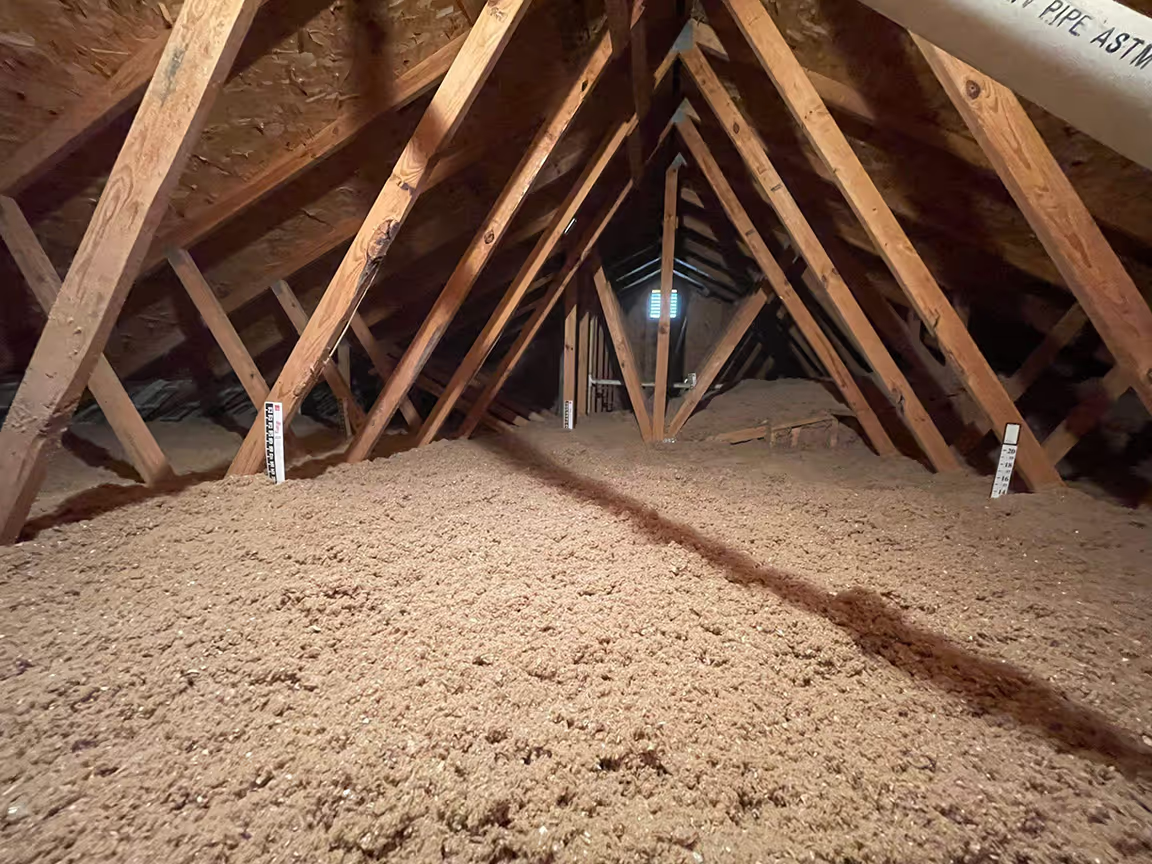
Blown-in insulation fills gaps and hard-to-reach spaces that traditional batts can't cover effectively. The material comes in two main types: cellulose and fiberglass. Both options cost less than spray foam while still providing solid thermal performance.
Cellulose blown-in insulation uses recycled paper products treated with fire retardants. It settles into wall cavities and attic spaces to create a continuous barrier against heat transfer. Fiberglass blown-in insulation works similarly but uses glass fibers instead.
The installation process is faster than laying batts by hand. A professional can typically insulate an average attic in just a few hours. You can expect to pay between $1.50 and $3.00 per square foot for materials and installation combined.
This method works especially well for existing homes where you don't want to tear out drywall. The installer simply blows the material through small holes that get patched afterward.
Attic insulation upgrades provide the fastest return on investment
Your attic loses more heat than any other part of your home during winter months. Heat rises naturally, and an under-insulated attic lets that expensive heated air escape directly through your roof.
According to the U.S. Department of Energy, adding insulation to your attic is one of the most cost-effective ways to improve home energy efficiency, particularly in older homes that fall well below recommended R-values for their climate zone. Fiberglass rolls represent the most budget-friendly option for DIY installation. You can purchase them at most home improvement stores and install them yourself over a weekend.
The recommended R-value for attics ranges from R-38 to R-60 depending on your climate zone. Most older homes have R-19 or less in the attic. Upgrading to the recommended level pays for itself through lower utility bills within 3 to 5 years in most cases.
Before adding new insulation, check for air leaks around chimneys, vent pipes, and electrical fixtures. Seal these gaps first to maximize your results.
Targeted air sealing reduces wasted heating and cooling
Air sealing stops conditioned air from leaking out through small cracks and gaps in your home's envelope. This upgrade costs very little but creates noticeable improvements in comfort and efficiency.
Common air leak locations include:
- Window and door frames
- Electrical outlets on exterior walls
- Baseboards where walls meet floors
- Attic hatches and pull-down stairs
- Dryer vents and exhaust fans
Weatherstripping around doors and windows costs just a few dollars per opening. You can seal most gaps with caulk or spray foam that costs less than $10 per can. Accessible basement rim joists are another priority area where air sealing delivers significant returns.
Combining air sealing with insulation upgrades gives you the best results. Homeowners save an average of 15% on heating and cooling costs when they complete both improvements together.
Spray foam insulation: evaluating long-term benefits
Spray foam insulation costs more upfront than other options, but it delivers energy savings and air sealing that traditional materials can't match. The key is understanding whether your home's specific needs justify the higher initial investment.
Higher upfront cost is balanced by stronger energy savings
Spray foam insulation typically costs two to three times more than fiberglass or other traditional materials. You might pay $1.50 to $3.00 per square foot for open-cell foam or $2.00 to $4.50 per square foot for closed-cell foam, depending on your location and the size of your project.
The higher spray foam insulation cost pays off through your monthly utility bills. Most homeowners see energy bill reductions of 20% to 40% after installation. These savings add up over the years.
The material also lasts longer than alternatives. Spray foam can perform effectively for 80 years or more without settling or degrading. Fiberglass and other options often need replacement after 15 to 25 years.
Your home's value may increase too. Energy-efficient upgrades like spray foam appeal to buyers and can boost resale prices. The combination of lower energy costs and durability means you'll likely recover your investment within 5 to 10 years.
Air sealing and insulation combined improve overall efficiency
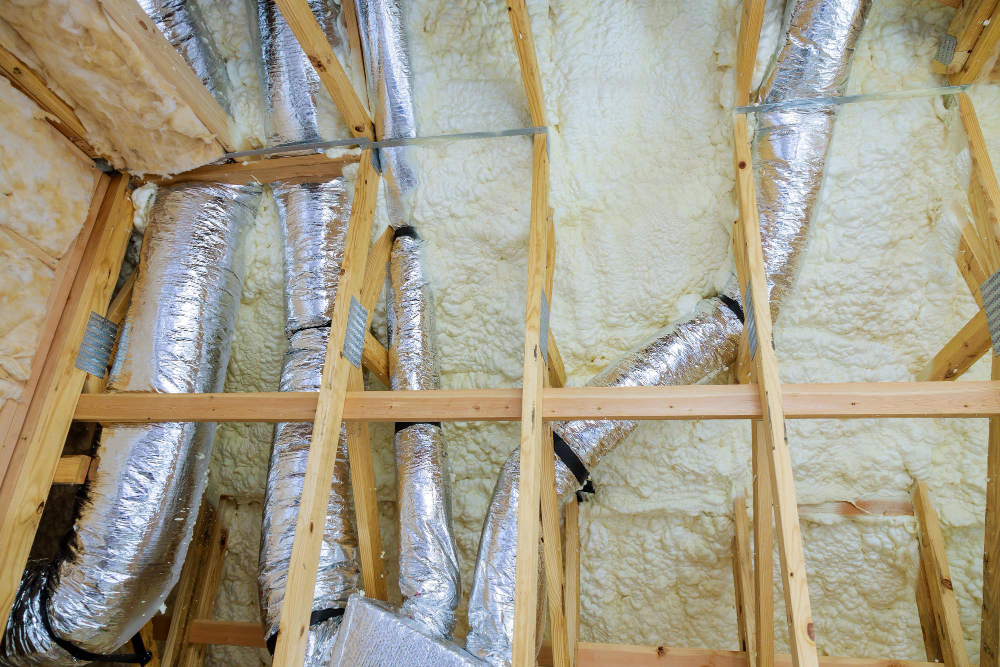
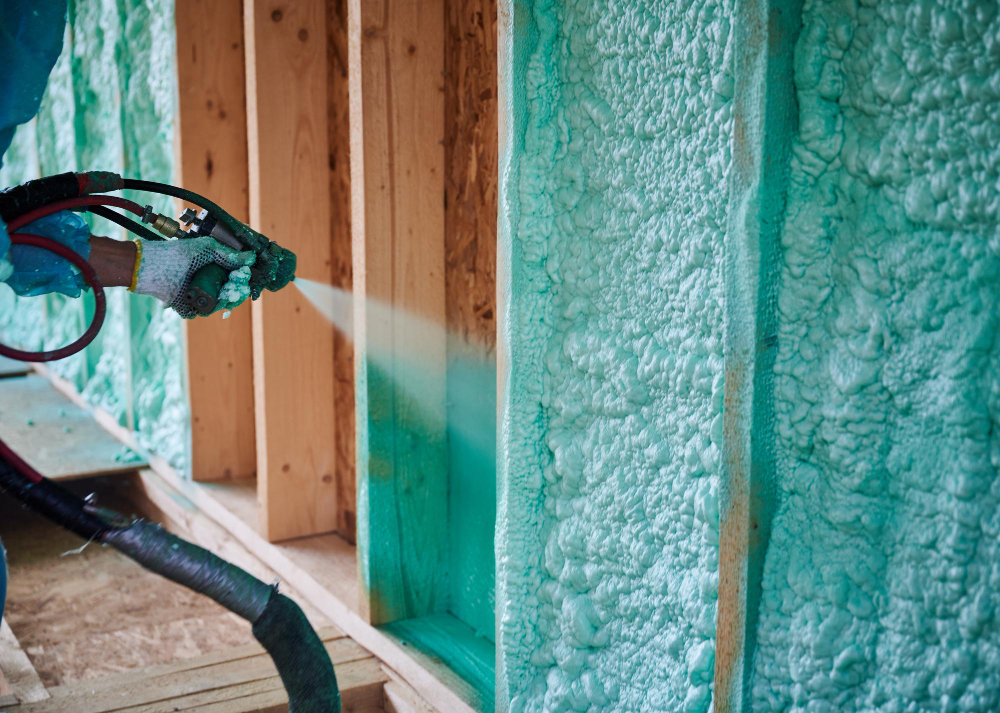
Spray foam does two jobs at once. It insulates your home and seals air leaks in a single application.
Traditional insulation materials require separate air sealing work. You'd need to caulk, weatherstrip, and seal gaps before or after installing fiberglass or cellulose. Spray foam expands to fill cracks, gaps, and irregular spaces automatically.
This complete seal stops conditioned air from escaping through your walls, attic, or crawl space. Your heating and cooling systems work less to maintain comfortable temperatures. You'll notice fewer drafts and more consistent temperatures between rooms.
The air barrier also blocks moisture movement. This reduces your risk of mold growth and wood rot inside wall cavities. Closed-cell spray foam adds structural strength to walls and can help protect against water damage during storms.
Best suited for homes with significant air leakage issues
Spray foam makes the most sense when your home has serious air leakage problems. Older homes built before modern building codes often have numerous gaps and cracks. Homes with complex rooflines, additions, or unusual architectural features benefit from spray foam's ability to seal irregular spaces.
You can identify air leakage through a blower door test. This test measures how much air escapes from your home. If the test shows high leakage rates, spray foam will deliver substantial improvements.
New construction with tight building envelopes may not need spray foam everywhere. You might use it in problem areas like rim joists, attics, or crawl spaces while choosing less expensive options for standard wall cavities.
Climate matters too. Homes in regions with extreme temperatures or high humidity gain more from spray foam's superior R-value and moisture control. If you live in a mild climate with minimal heating and cooling needs, traditional insulation might meet your requirements at a lower cost.
Common pitfalls to avoid during insulation projects
Even small mistakes during insulation installation can lead to higher energy bills and reduced comfort. Understanding where installations typically go wrong helps you protect your investment and ensure your home stays properly insulated.
Skipping air sealing reduces overall insulation effectiveness
Air leaks can waste a significant share of your heating and cooling energy, even with quality insulation in place. Gaps around pipes, electrical outlets, recessed lights, and wall penetrations allow conditioned air to escape before your insulation can do its job.
You need to seal air leaks before adding new insulation. Use caulk for cracks smaller than 1/4 inch and expanding foam for larger gaps. Pay special attention to the top plates of walls where they meet the attic floor, as this is one of the biggest sources of air leakage in most homes.
The attic floor requires the most attention since contractors commonly find insulation failures in this area. Sealing these gaps first typically delivers the fastest payback on your energy costs.
Don't forget about the rim joist area in your basement or crawl space. This often-overlooked spot accounts for significant heat loss when left unsealed.
Poor installation leads to uneven thermal performance
Compressed insulation loses much of its ability to trap air and provide thermal resistance. According to research from the Oak Ridge National Laboratory, thermal performance of fibrous insulation drops measurably when material is compressed below its rated installed thickness, since the trapped air pockets that provide R-value are reduced. When you squeeze fiberglass batts into tight spaces or pack blown insulation too densely, you reduce its R-value significantly.
Gaps between insulation pieces create cold spots that allow heat transfer. Even small spaces of 2-3 inches can reduce your wall's overall insulation effectiveness by 25% or more. You must ensure batts fit snugly against each other and around obstacles without being compressed.
Installing the wrong R-value for your climate zone means you're paying to heat or cool air that escapes anyway. Check local building codes to determine the minimum R-value requirements for your area. Northern climates typically need R-49 to R-60 in attics, while southern regions require R-30 to R-49.
Ignoring attic ventilation can create moisture problems
Proper ventilation works together with insulation to protect your home from moisture damage. Without adequate airflow, warm air from your living space can condense in the attic and lead to mold growth, wood rot, and reduced insulation performance.
Your attic needs both intake vents near the eaves and exhaust vents near the ridge. The general rule requires one square foot of ventilation for every 150 square feet of attic space. Blocking soffit vents with insulation is a common mistake that prevents proper air circulation.
Vapor barriers placed on the wrong side of walls trap moisture instead of stopping it. In most climates, the vapor barrier should face the heated side of your home. However, some humid climates require different approaches, so check your local building codes before installation.
Results homeowners can expect after proper insulation
Proper insulation creates measurable changes in your home's energy use and comfort levels. You'll notice lower utility bills, more stable temperatures, and less wear on your heating and cooling equipment.
Lower monthly utility bills throughout the year
Your energy bills will drop once your home has proper insulation in place. Most homeowners save around 15% on heating and cooling costs after adding insulation to attics, floors over crawl spaces, and basement rim joists.
These savings appear every month, not just during extreme weather. Your air conditioner works less in summer, and your furnace runs fewer cycles in winter. The average home spends thousands on energy each year, so a 15% reduction adds up quickly.
The payback period for insulation typically ranges from 3 to 5 years. After that point, every dollar you save goes straight to your budget instead of to the utility company. Your total energy costs can decrease by about 11% when you combine insulation with proper air sealing.
More consistent indoor temperatures in every room
You'll stop experiencing cold floors and hot or cold spots in different rooms. Insulation creates a thermal barrier that keeps conditioned air inside your home where it belongs.
Your upstairs rooms won't feel stuffy in summer while your basement stays cold. Each room maintains a more stable temperature throughout the day and night. You won't need to adjust the thermostat as often to stay comfortable.
Cold surfaces like walls and floors warm up because insulation prevents heat from escaping through them. Your pipes are also less likely to freeze in winter when insulation protects them from extreme temperature drops.
Reduced strain on HVAC systems during peak seasons
Your heating and cooling equipment runs fewer cycles after you add insulation. The system doesn't have to work as hard to maintain your desired temperature because less conditioned air escapes through walls, floors, and ceilings.
This reduced workload extends the lifespan of your HVAC system. Equipment that runs constantly wears out faster and needs more repairs. Your system faces less stress during summer heat waves and winter cold snaps when energy demands typically peak.
You'll notice quieter operation since your furnace or air conditioner kicks on less frequently. Maintenance costs often decrease because components experience less wear over time.
Conclusion
Home insulation stands as one of the smartest investments you can make for your property. The numbers support this choice. You can expect to save around 15% on heating and cooling costs, which adds up to about 11% of your total energy bills.
The upfront costs may seem high at first. Different materials come with different price tags. Fiberglass offers an affordable starting point, while spray foam costs more but delivers better sealing. Your choice depends on your budget and specific needs.
The payback period varies based on these factors. Most homeowners see returns through lower energy bills within a few years. Beyond direct savings, you gain increased comfort in your home year-round.
Your property value may also increase with proper insulation. Buyers look for energy-efficient homes that cost less to operate. You contribute to environmental sustainability by reducing energy consumption.
The decision comes down to balancing initial investment with long-term benefits. Compare different insulation types based on cost per square foot and R-value per inch. Get multiple quotes from installers to find competitive pricing. To get a tailored, cost-effective insulation plan for your Virginia home, contact Terra Insulation for a no-pressure consultation.