
A complete home insulation solution creates a protective envelope around your living space that controls heat transfer, reduces energy costs, and keeps indoor temperatures stable year-round.
Per the U.S. Department of Energy (DOE), on average you can save up to 20% on heating and cooling costs (or up to 10% on total energy costs) by adding insulation to key areas like attics, floors, crawl spaces, and accessible basement rim joists, and by reducing unwanted air leaks.
Your home's insulation plays a bigger role in your comfort and energy bills than you might realize. When your house isn't properly insulated, you're likely wasting money on heating and cooling while struggling to maintain a comfortable temperature.
Most homes have several areas that need insulation attention, from attics and walls to crawl spaces and floors. Each spot requires different materials and methods to work effectively. Understanding what options are available helps you make smart choices about protecting your home and reducing monthly utility expenses.
The right insulation does more than just save energy. It also blocks outside noise, prevents moisture problems, and makes your home more comfortable in every season.
In this article, you’ll learn how home insulation solutions improve comfort, reduce energy waste, and protect your home from drafts and moisture issues.
Here's what you'll find below:
- Home insulation solutions for energy-efficient and comfortable homes
- What home insulation solutions include
- Benefits of professional home insulation solutions
- Types of home insulation solutions
- Signs your home needs insulation solutions
- How to choose the right insulation solution for your home
- Why homeowners trust Terra Insulation for home insulation solutions
Keep reading! Learning about the types of insulation solutions available and knowing when your home needs an upgrade can help you take control of your indoor environment and stop throwing money away on wasted energy.
Home insulation solutions for energy-efficient and comfortable homes
Proper insulation in your home helps control indoor temperature and reduces energy costs throughout the year. The right insulation keeps heat inside during winter and blocks excess heat in summer.
Common residential insulation solutions include:
- Blown-in insulation - Cellulose or fiberglass materials installed in attics and walls
- Batt and roll insulation - Pre-cut fiberglass or mineral wool fitted between studs and joists
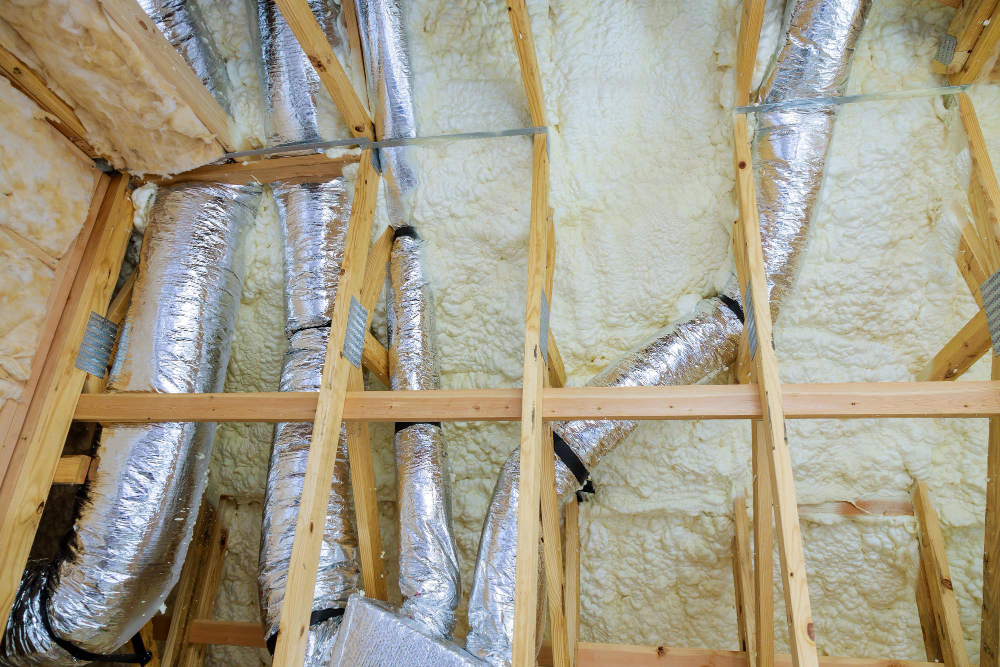
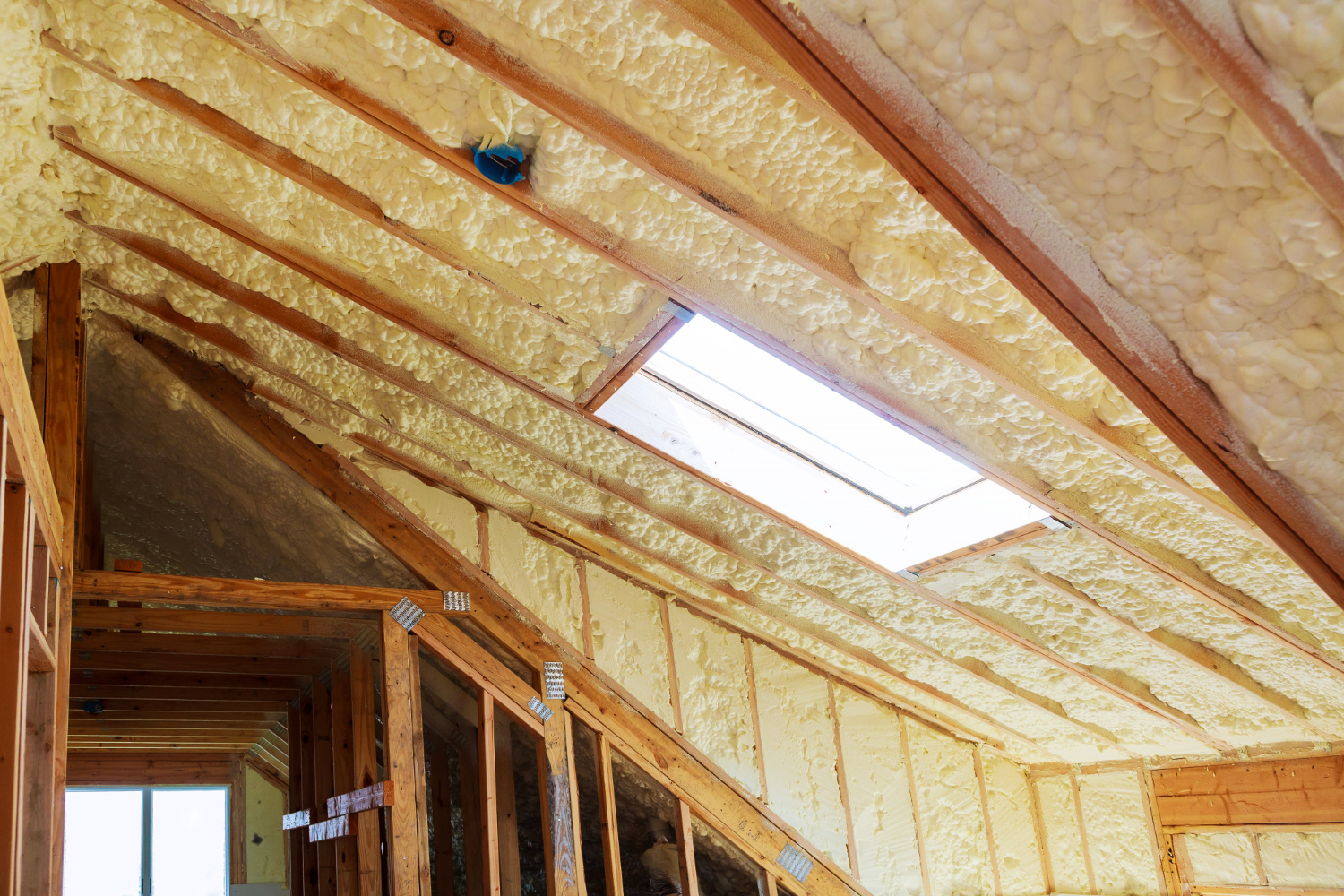
- Spray foam insulation - Expanding foam that seals gaps and provides high R-values
- Rigid foam boards - Solid panels used for basement walls and exterior applications
Your choice depends on where you need insulation and your budget. Attics typically need R-38 or higher, while walls require R-13 to R-21. Basements and crawl spaces have different requirements based on climate.
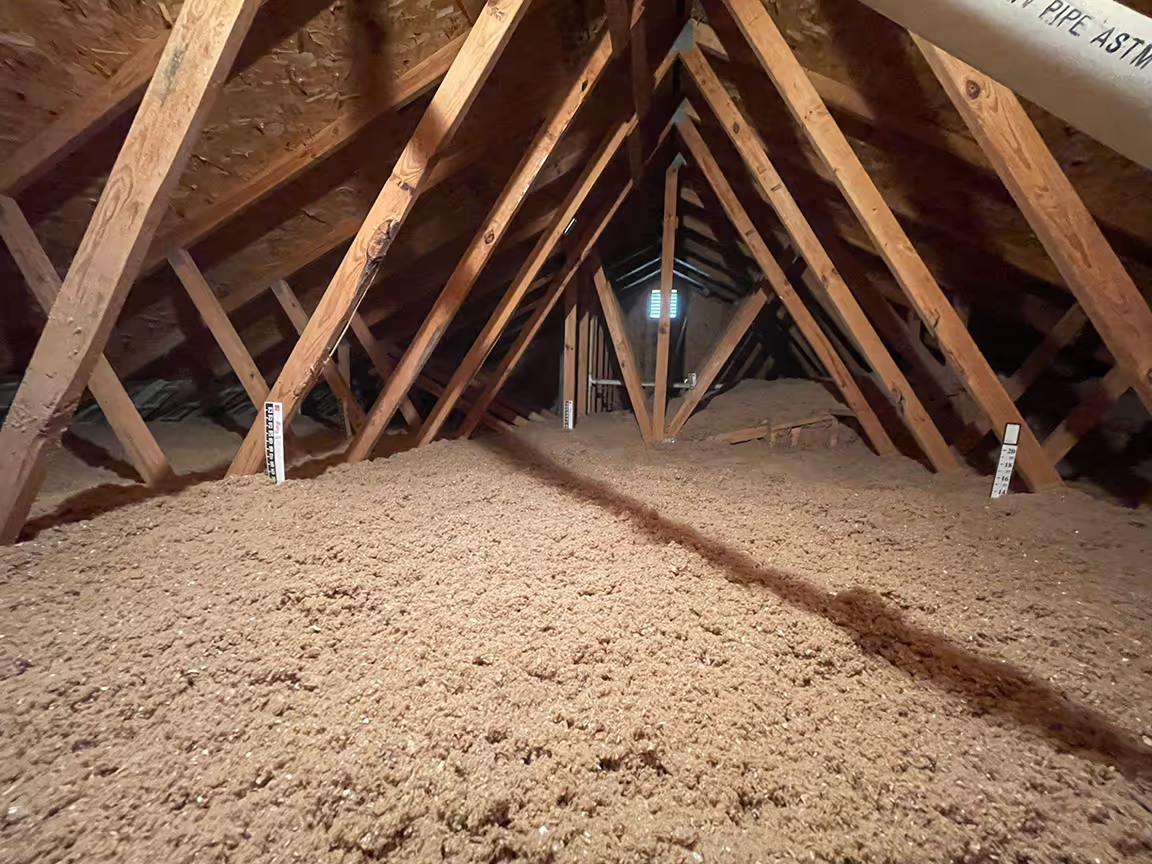
Blown-in insulation works well for existing homes because it fills irregular spaces. It's affordable and can be installed quickly in attics. Spray foam costs more but provides excellent air sealing and moisture control.
Fiberglass batts remain popular because they're widely available and easy to install. They work best in standard wall cavities and between floor joists. Rigid foam boards offer high insulation value in thin profiles.
Professional installation ensures proper coverage and performance. Experts assess your home's specific needs and recommend solutions that match your climate and building codes. They also identify air leaks that reduce insulation effectiveness.
Energy-efficient insulation lowers your utility bills and improves comfort in every room. You'll notice fewer drafts and more consistent temperatures year-round.
What home insulation solutions include
Home insulation solutions cover several key areas of your house where heat loss and air leaks typically occur. Professional services focus on upgrading attic spaces, insulating walls and below-grade areas, and sealing gaps that waste energy.
Attic and wall insulation installation and upgrades
Your attic is the most important area to insulate because heat rises and escapes through the roof. Most attic insulation uses blown-in fiberglass, cellulose, or spray foam materials. These materials create a thermal barrier that keeps warm air inside during winter and hot air out during summer.
Wall insulation works differently depending on whether your walls are open or closed. New construction allows for batt insulation between studs before drywall goes up. Existing walls require blown-in insulation through small holes that get patched afterward.
The R-value measures how well insulation resists heat flow. Higher R-values mean better insulation performance. Attics typically need R-38 to R-60, while walls need R-13 to R-21 depending on your climate zone.
Professional installers assess your current insulation levels and recommend upgrades based on your home's age and construction type. They check for moisture issues, proper ventilation, and existing insulation condition before adding new material.
Wall, basement, and crawl space insulation
Basement walls lose significant heat because they contact cold ground and outside air. Rigid foam boards work well on basement walls because they resist moisture and provide high R-values in tight spaces. Some basements use spray foam or batt insulation with a vapor barrier.
Crawl spaces need insulation on either the floor joists above or the walls around the perimeter. Encapsulation seals the entire crawl space with plastic sheeting and insulation to create a conditioned space. This approach prevents moisture problems and reduces energy loss.
Interior wall insulation between rooms isn't for energy savings but helps with soundproofing and fire resistance. These walls typically use standard fiberglass batts.
Air sealing and energy efficiency improvements
Air sealing stops drafts and air leaks that waste energy even when insulation is present. Common leak spots include around windows, doors, electrical outlets, plumbing penetrations, and where walls meet foundations.
According to ENERGY STAR (U.S. EPA), sealing and insulating heating and cooling ducts can improve HVAC efficiency by as much as 20% (and sometimes more), especially when ducts run through unconditioned spaces like attics, crawlspaces, basements, or garages.
Professionals use blower door tests to find air leaks throughout your home. This test creates negative pressure and reveals where outside air enters. Thermal imaging cameras also show temperature differences that indicate gaps in insulation or air barriers.
Sealing materials include caulk for small cracks, expanding foam for larger gaps, and weatherstripping for moving parts like doors and windows. Attic bypasses around chimneys, recessed lights, and plumbing stacks need special attention because they create pathways for air movement.
Proper air sealing can reduce heating and cooling costs by 15-20% when combined with adequate insulation. The work must maintain proper ventilation to ensure good indoor air quality while stopping unwanted air exchange.
Benefits of professional home insulation solutions
Professional insulation services deliver measurable improvements in home performance through better temperature control, lower utility costs, and protection against moisture damage.
Consistent indoor temperatures and improved comfort
Professional installation of energy-efficient insulation creates a stable thermal barrier throughout your home. This barrier prevents heat from escaping during winter months and blocks excessive heat from entering during summer.
Your HVAC system won't need to work as hard to maintain your desired temperature. The result is fewer temperature swings between rooms and more consistent comfort levels throughout your living space.
Professional installers identify problem areas like gaps around windows, doors, and electrical outlets that commonly cause drafts. They use proper techniques to seal these weak points effectively. This attention to detail eliminates cold spots and hot zones that make certain rooms uncomfortable to occupy.
Reduced energy bills through efficient insulation
Energy-efficient insulation installed by professionals can cut your heating and cooling costs by 15% to 30%. Your exact savings depend on your climate zone, current insulation levels, and the type of insulation material used.
Professional installers know the correct R-value (thermal resistance rating) needed for each area of your home. Attics typically require R-38 to R-60, while walls need R-13 to R-21. Using the right R-value ensures you get maximum energy savings without overpaying for unnecessary materials.
Your energy bills decrease because your HVAC system runs less frequently to maintain comfortable temperatures. This reduced runtime also extends the lifespan of your heating and cooling equipment.
Moisture control and prevention of mold growth
Proper insulation installation includes vapor barriers that stop moisture from accumulating inside walls and attics. Moisture buildup leads to mold growth, wood rot, and structural damage that costs thousands of dollars to repair.
Professional installers understand how moisture moves through building materials. They position vapor barriers correctly based on your climate zone to prevent condensation problems. In cold climates, barriers go on the warm interior side, while mixed climates may require different approaches.
Quality insulation also regulates indoor humidity levels by reducing air leakage. This control keeps humidity in the optimal 30% to 50% range where mold cannot thrive. You avoid health issues associated with poor air quality and mold spores.
According to the U.S. EPA, indoor relative humidity should be kept below 60% and ideally between 30% and 50% to help reduce conditions that support mold growth—supporting humidity control as part of a complete insulation and air-sealing approach.
Types of home insulation solutions
Different insulation types work better for specific areas of your home and offer varying levels of energy efficiency and cost. Spray foam provides superior air sealing, blown-in fills gaps easily, and fiberglass batts offer a budget-friendly option for standard spaces.
Spray foam insulation
Spray foam insulation expands when applied, filling gaps and cracks that other materials can't reach. You can choose between open-cell and closed-cell spray foam, which offer different benefits for your home.
Open-cell spray foam is lighter and less expensive. It provides good sound dampening and works well for interior walls and attics. This type has an R-value of about 3.5 per inch.
Closed-cell spray foam is denser and offers a higher R-value of around 6.5 per inch. It acts as both insulation and a moisture barrier, making it ideal for exterior walls, basements, and crawl spaces. This option costs more but provides better energy efficiency.
Key benefits:
- Seals air leaks effectively
- Reduces energy bills by 20-40%
- Adds structural strength to walls
- Lasts for decades without settling
Professional installation is required for spray foam insulation. The material needs proper mixing and application to perform correctly.
Blown-in insulation
Blown-in insulation uses loose-fill materials that machines blow into wall cavities, attics, and hard-to-reach spaces. The three main types include cellulose, fiberglass, and mineral wool.
Cellulose is made from recycled paper treated with fire retardants. It settles well into irregular spaces and has an R-value of 3.2 to 3.8 per inch. This option works great for attics and existing walls.
Fiberglass loose-fill provides an R-value of 2.2 to 2.7 per inch. It doesn't settle as much as cellulose and resists moisture better.
You can add blown-in insulation to existing homes without major renovations. Installers drill small holes in walls, blow in the material, then patch the holes. This makes it perfect for upgrading older homes with poor insulation.
The depth of installation determines how much insulation you get. Your attic typically needs 10 to 14 inches of blown-in material to reach recommended R-values.
Fiberglass and batt insulation
Fiberglass batt insulation comes in pre-cut panels that fit between wall studs, floor joists, and ceiling rafters. This is the most common insulation type in American homes because of its low cost and easy installation.
Standard batts measure 16 or 24 inches wide to match typical stud spacing. You can buy them in different thicknesses, with R-values ranging from R-11 to R-38. Thicker batts provide better insulation but need more space.
Two main options exist:
- Faced batts have a paper or foil backing that acts as a vapor barrier
- Unfaced batts have no backing and work for areas that don't need moisture control
You can install fiberglass batts yourself if you have basic DIY skills. Wear protective gear including gloves, long sleeves, and a mask because the fibers irritate skin and lungs. Cut batts to fit around obstacles like electrical boxes and pipes.
This insulation works best in new construction or unfinished spaces. Adding it to finished walls requires removing drywall first.
Signs your home needs insulation solutions
Your home sends clear signals when insulation is failing or missing. Recognizing these warning signs helps you address problems before they lead to higher costs and reduced comfort.
Uneven heating or cooling in rooms
Some rooms feel too hot while others stay cold, even when your heating or cooling system runs constantly. This temperature difference between rooms means your insulation isn't doing its job properly.
You might notice your bedroom stays freezing in winter while your living room feels comfortable. Or your upstairs gets unbearably hot in summer while the first floor remains cool. These temperature gaps show that heat is escaping or entering through poorly insulated walls, ceilings, or floors.
Common problem areas include:
- Rooms above garages or crawl spaces
- Bedrooms located at the end of hallways
- Spaces near exterior walls
- Rooms directly under the roof
Your HVAC system works harder to compensate for these temperature differences. This extra work wastes energy and puts stress on your heating and cooling equipment. The uneven temperatures also make certain rooms nearly unusable during extreme weather.
High energy bills without increased usage
Your energy bills keep climbing even though you haven't changed how you use electricity or gas. This spike in costs often points directly to insulation problems.
When insulation degrades or settles, it creates gaps that let conditioned air escape. Your heating and cooling system then runs longer cycles to maintain the temperature you set on your thermostat. You're essentially paying to heat or cool the outdoors.
Compare your current bills to those from the same months in previous years. An increase of 15% or more without changes in usage patterns suggests insulation issues. Your system might also run more frequently throughout the day, which you can hear or feel as it cycles on and off.
Drafts, moisture, or condensation problems
Cold air sneaks in around outlets, baseboards, or window frames. You feel air movement near walls or ceilings when your doors and windows are closed. These drafts reveal gaps in your insulation barrier.
Moisture problems also signal insulation failure. Water stains on ceilings or walls, condensation on windows, or a musty smell in certain rooms all indicate issues. Poor insulation allows warm, moist air to reach cold surfaces where it turns into water droplets.
Watch for these moisture signs:
- Wet spots on walls or ceilings
- Mold or mildew growth
- Peeling paint or wallpaper
- Frost buildup in attics during winter
Ice dams on your roof also point to inadequate attic insulation. Heat escaping through your roof melts snow, which refreezes at the cold edges and creates damaging ice buildups.
How to choose the right insulation solution for your home
Selecting the right insulation involves understanding your home's specific needs, comparing material options based on performance and cost, and deciding whether to hire professionals or handle installation yourself.
Assessing your home's energy efficiency needs
Start by identifying where your home loses the most energy. Check your attic, walls, basement, and crawl spaces for existing insulation gaps or damage. These areas typically account for the largest energy losses in most homes.
The R-value measures how well insulation resists heat flow. Higher R-values provide better insulation performance. Your climate zone determines the R-value you need.
Cold climates require R-values of R-49 to R-60 for attics, while moderate climates need R-38 to R-49. Walls typically need R-13 to R-21 depending on your location.
Calculate your current energy costs and identify patterns in your heating and cooling bills. High bills during extreme weather often indicate poor insulation. A home energy audit can pinpoint specific problem areas and help you prioritize which spaces need insulation first.
Selecting the right insulation material
Different materials work better for specific applications and budgets. Fiberglass batts cost $0.64 to $1.19 per square foot and work well for standard wall cavities and attics. Spray foam costs $1.00 to $4.50 per square foot but provides superior air sealing and higher R-values per inch.
Cellulose insulation is made from recycled materials and costs $0.60 to $2.30 per square foot. It fills irregular spaces effectively. Rigid foam boards offer high R-values in thin profiles, making them ideal for basement walls and exterior applications.
Consider moisture levels in the space you're insulating. Spray foam resists moisture well, while fiberglass can lose effectiveness when wet. Your installation method matters too—blown-in insulation works for hard-to-reach areas, while batts suit accessible spaces with standard framing.
Working with certified insulation contractors
Professional insulation installation services ensure proper coverage and performance. Licensed contractors understand building codes, ventilation requirements, and safety protocols for handling insulation materials.
Get multiple quotes from certified installers in your area. Compare their experience with your chosen insulation type and ask for references from recent projects. Verify their licenses, insurance coverage, and any manufacturer certifications they hold.
Professional installation typically costs more upfront but prevents common mistakes like compression, gaps, or improper vapor barriers. These errors reduce insulation effectiveness by 20% to 30%. Contractors also have specialized equipment for applying spray foam or blown-in insulation evenly.
Ask contractors about warranties on both materials and labor. Quality installers offer guarantees ranging from one to ten years depending on the insulation type and application method.
Why homeowners trust Terra Insulation for home insulation solutions
Terra Insulation has built a strong reputation by delivering reliable insulation services that address energy efficiency, comfort, and long-term value. Homeowners choose this company because of their certified contractors, personalized approach to each project, and focus on results that last.
Experienced and certified insulation contractors
Terra Insulation employs contractors who have completed rigorous training and hold industry certifications. These professionals understand building codes, safety standards, and the latest insulation techniques.
Each contractor on the team knows how to assess your home's unique needs. They identify problem areas like air leaks, insufficient coverage, or outdated materials. This expertise ensures that every installation meets quality standards.
The company's contractors also stay updated on new insulation materials and methods. They can recommend the best solutions for your specific climate and home structure. When you work with certified professionals, you reduce the risk of improper installation that could waste money or fail to deliver expected energy savings.
Customized energy-efficient insulation services
Terra Insulation does not use a one-size-fits-all approach. The company evaluates your home's layout, existing insulation, and energy goals before recommending solutions.
Your home might need attic insulation to prevent heat loss through the roof. You might benefit from crawl space sealing to stop drafts and moisture issues. Some homes require wall insulation to create a complete thermal barrier.
The team measures your current insulation's R-value and compares it to recommended levels for your area. They calculate potential energy savings based on your specific situation. This detailed assessment helps you understand exactly what improvements will provide the best return on your investment.
Commitment to comfort, durability, and long-term savings
Terra Insulation focuses on solutions that deliver benefits for years to come. Properly installed insulation reduces your heating and cooling costs month after month.
The materials used by Terra Insulation resist settling, moisture damage, and degradation. This durability means you won't need frequent repairs or replacements. Your home stays comfortable in summer heat and winter cold.
The company also provides transparent pricing before work begins. You know the costs upfront without hidden fees. This honesty builds trust and helps you make informed decisions about your home improvement budget.
Better insulation also reduces your carbon footprint by lowering energy consumption. You create a more sustainable home while enjoying lower utility bills.
Conclusion
Home insulation works as a barrier that blocks heat transfer between your home's interior and the outside environment. This barrier keeps your home warmer in winter and cooler in summer without relying heavily on heating and cooling systems.
The right insulation material depends on your specific needs, budget, and where you plan to install it. Fiberglass, spray foam, cellulose, and rigid foam boards each offer different benefits. You should consider factors like R-value, moisture resistance, and installation requirements when making your choice.
Before you install insulation, make sure to air seal your home first. Sealing cracks and gaps prevents air leaks that can reduce insulation effectiveness. This step is important for getting the best results from your insulation investment.
Professional installation ensures proper coverage and performance, though some insulation types work well for DIY projects. You need to follow manufacturer guidelines and local building codes regardless of who does the work.
Investing in quality insulation pays off through energy savings and increased home comfort. The upfront costs typically return to you through lower utility bills within a few years.
Schedule a home insulation assessment with Terra Insulation to get a clear scope and quote for attic and wall insulation, air sealing, and the most cost-effective upgrades for your home.