
Attic ventilation and insulation are two systems that must work in tandem to keep a Washington DC home comfortable, dry, and energy efficient. Without that balance, even the best insulation will underperform and your roof structure can suffer year after year.
Your attic needs both insulation and ventilation to work properly, even though this might sound backward at first. Adding insulation keeps your home warm or cool, while ventilation allows air to flow through the attic space. When these two systems work together correctly, they prevent moisture buildup, reduce energy costs, and protect your roof from damage.
Many homeowners add insulation but overlook ventilation, which leads to problems they don't expect. You might notice that your energy bills stay high, ice forms on your roof in winter, or your home feels uncomfortable even after upgrading your insulation. These issues happen because trapped air and moisture in your attic work against your insulation.
Understanding how airflow and insulation interact helps you avoid these problems and get the most from your investment.
In this article, we cover:
- Persistent comfort issues after insulation
- Recognizing poor attic ventilation performance
- How airflow and insulation quality interact
- Proven solutions for attic airflow and insulation issues
- Benefits homeowners experience after resolving attic issues
Keep reading to learn exactly how to diagnose, fix, and prevent the ventilation and insulation issues that quietly drive up your energy bills and shorten the life of your roof.
Persistent comfort issues after insulation
Adding attic insulation doesn't always solve temperature problems because ventilation plays an equally important role in your home's comfort system. When air movement is restricted or improperly designed, even brand-new insulation can't deliver the results you expect.
Trapped heat in the attic affects whole-home temperature stability
Your attic needs to release heat instead of trapping it against your living space. Without proper ventilation, summer temperatures in your attic can reach 150°F or higher. This heat radiates down through your ceiling and makes your second floor unbearably warm.
Your air conditioner runs constantly trying to fight this heat transfer. The insulation you just installed actually makes the problem worse by preventing trapped hot air from escaping into your living space, which means it stays concentrated in the attic. This creates a heat dome effect that pushes through insulation barriers.
The temperature difference between your upstairs and downstairs rooms often exceeds 10°F when ventilation fails. Your thermostat might read 72°F downstairs while bedrooms stay at 82°F.
Poor airflow prevents insulation from working at full efficiency
Insulation needs air movement to perform its intended function. Stagnant air creates moisture pockets that reduce the R-value of your insulation material. Fiberglass and cellulose insulation lose up to 50% of their insulating power when they absorb moisture from trapped humid air.
Your attic's ventilation system should move air from soffit vents at the eaves up through ridge or gable vents at the peak. When this airflow gets blocked by insulation pushed against the roof deck or insufficient vent openings, your insulation becomes a moisture trap. The material compresses and develops cold spots where air can't circulate.
Blocked soffit vents are the most common ventilation mistake that undermines new insulation. According to the U.S. Department of Energy, attics typically require one square foot of net free ventilation area for every 150 square feet of attic floor, which is the baseline needed to keep airflow and insulation working together.
Homeowners often mistake ventilation issues for HVAC problems
Your heating and cooling system gets blamed for problems that ventilation should solve. You might schedule multiple HVAC service calls and replace parts that were working fine. The real issue is that your equipment can't overcome poor attic conditions.
Ice dams in winter and excessive cooling costs in summer both point to ventilation deficiencies, not insulation gaps. Your HVAC technician might tell you the system is working properly because it is. The ductwork temperature readings and airflow measurements all check out normal.
Your energy bills stay high even after adding insulation because the ventilation system never addressed the root cause. You need both systems working together to achieve the comfort and savings you expected from your insulation investment.
Recognizing poor attic ventilation performance
Poor attic ventilation creates specific problems you can identify throughout your home. Watch for heat building up in your upper rooms, moisture collecting in your attic, and ice forming along your roof edges during winter.
Excess heat buildup in upper floors during summer months
Your upstairs rooms getting uncomfortably hot in summer often points to ventilation problems in your attic. When hot air gets trapped above your living spaces, it radiates downward through your ceiling. This makes your air conditioning work harder and raises your energy bills.
A properly ventilated attic should stay close to outdoor temperatures. If your attic feels like an oven on a warm day, air isn't moving through it correctly. You might notice your upstairs bedrooms stay 5-10 degrees warmer than your first floor even with the AC running.
Check your attic on a hot afternoon. If the temperature feels extreme compared to outside, you have poor attic ventilation problems. Your insulation might also feel hot to the touch, which means heat is sitting in your attic instead of escaping through vents.
Moisture or condensation forming in attic spaces
Water droplets on attic surfaces signal blocked or insufficient ventilation. You'll see moisture on rafters, nails, or the underside of your roof sheathing. This happens when warm, humid air from your living spaces rises into your attic and can't escape.
Home moisture attic issues lead to more serious problems like mold growth and wood rot. Look for dark spots on wood surfaces, rusty nails poking through your roof deck, or a musty smell when you enter your attic. Damp insulation is another red flag since wet insulation loses its ability to regulate temperature.
During winter, warm indoor air meeting cold attic surfaces creates the perfect conditions for condensation. Without proper airflow to remove this moisture, it accumulates and damages your roof structure over time.
Ice damming or winter temperature inconsistencies
Ice dams form when heat escapes into your attic and melts snow on your roof. The water runs down to your cold roof edges and refreezes, creating a ridge of ice. This ice prevents proper drainage and can force water under your shingles.
You'll notice icicles hanging from your gutters or ice buildup at your roof's edge. Inside, you might see water stains on your ceilings near exterior walls. These problems happen because trapped heat in your attic warms your roof unevenly.
Your heating system also works overtime when warm air escapes into a poorly ventilated attic. You'll notice cold spots in rooms, higher heating bills, and difficulty keeping your home at a comfortable temperature.
How airflow and insulation quality interact
Attic insulation and ventilation depend on each other to work properly. When airflow is blocked or insulation is installed incorrectly, moisture problems and heat buildup can damage your home.
Poor airflow traps moisture inside insulation layers
When air cannot move freely through your attic, moisture gets trapped in your insulation. This happens because warm air from your living space carries water vapor that rises into the attic. Without proper airflow to remove this moisture, it condenses inside the insulation material.
Wet insulation loses most of its ability to resist heat transfer. Research published by the Oak Ridge National Laboratory shows that even small amounts of absorbed moisture can significantly degrade the thermal resistance of fibrous insulation, and field testing has documented effectiveness losses approaching half of rated R-value once moisture levels climb. The trapped water also creates an environment where mold and mildew can grow.
You might notice signs of moisture problems like a musty smell, frost on the underside of your roof deck in winter, or water stains on your ceiling. These issues point to air leakage combined with inadequate ventilation. The moisture damage often spreads beyond just the insulation to your roof sheathing and rafters.
Over-insulated attics without ventilation create heat retention issues
Adding more insulation without proper ventilation causes heat to build up in your attic space. This trapped heat can reach temperatures above 150°F during summer months. The excessive heat radiates down into your living space and makes your air conditioning work harder.
Your roof materials suffer the most from heat retention. Asphalt shingles can age twice as fast when exposed to constant high temperatures. The heat also bakes moisture into your roof deck, which leads to wood rot and premature failure.
Common problems from heat retention:
- Warped or buckled roof decking
- Cracked or curled shingles
- Higher cooling costs
- Shortened roof lifespan by 5-10 years
The insulation itself can deteriorate from sustained high temperatures. Some materials break down or settle unevenly when exposed to heat cycles without adequate cooling airflow.
Balanced systems require both airflow and thermal protection
Your attic needs the right amount of both insulation and ventilation to function correctly. The general rule is one square foot of ventilation for every 150 square feet of attic space. This ratio ensures enough air movement to remove heat and moisture while your insulation blocks thermal transfer.
Intake vents at your soffits and exhaust vents at your ridge create natural airflow from bottom to top. Cool air enters low, warms as it rises, and exits at the peak. Your insulation sits below this air channel and should never block the soffit vents.
You need at least 1-2 inches of clearance between your insulation and roof deck. Baffles or rafter vents maintain this air gap in the critical areas where your roof meets the walls. Without this space, even high-quality insulation cannot perform as designed because the ventilation system gets blocked.
Proven solutions for attic airflow and insulation issues
Fixing airflow problems and upgrading insulation work together to create a healthy, efficient attic space. These solutions address the root causes of temperature imbalances and moisture buildup that damage your home.
Improving soffit and ridge ventilation for proper airflow
Soffit vents at the roof's edge pull fresh air into your attic, while ridge vents at the peak let hot air escape. This creates continuous airflow that removes heat and moisture naturally.
You need a balanced system with equal intake and exhaust ventilation. Most building codes require 1 square foot of ventilation for every 150 square feet of attic floor space. If you have blocked soffit vents, you can clear them by removing insulation or debris that covers the openings.
Adding baffles between rafters keeps insulation from blocking the soffit vents. These plastic or foam channels maintain a clear path for air to flow from the eaves to the ridge.
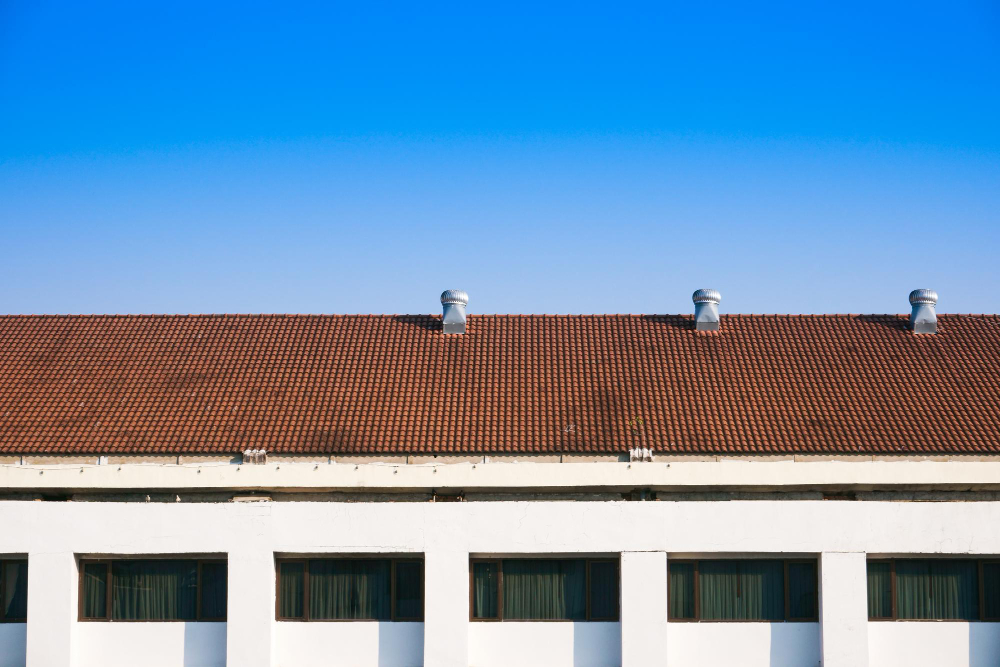
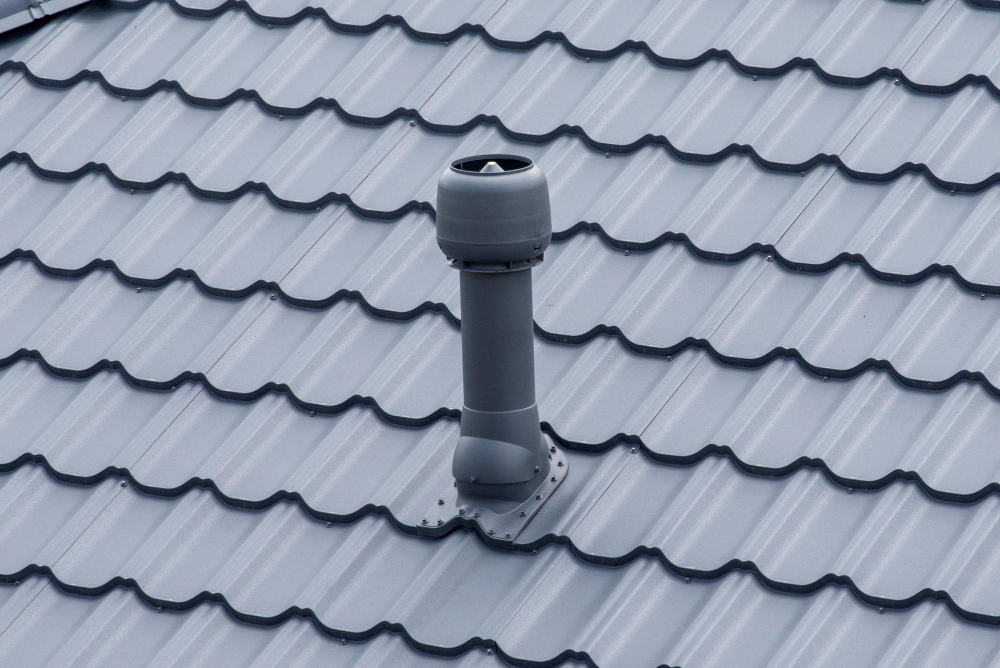
Ridge vents provide consistent exhaust along the entire roof peak. They work better than box vents or turbines because they create even airflow without weak spots.
Replacing or upgrading insulation for better thermal performance
Old or damaged insulation loses its ability to control temperature and moisture. Fiberglass batts that are compressed, wet, or torn need replacement to restore their R-value.
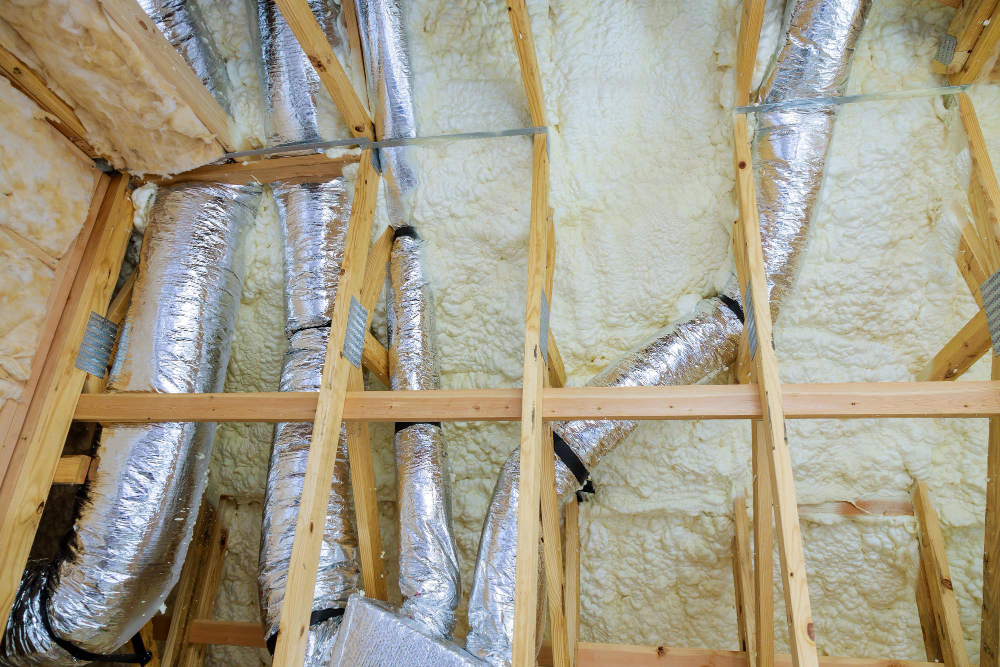
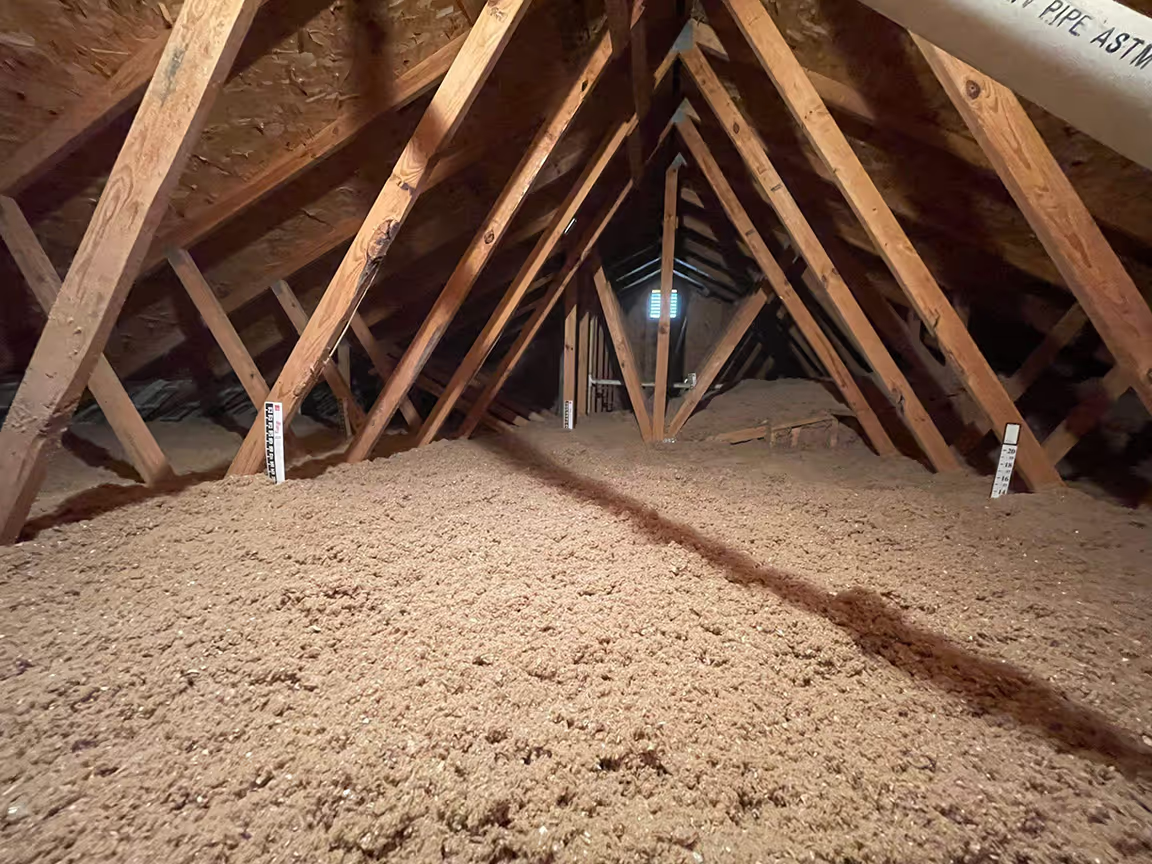
Blown-in cellulose or fiberglass adds density and fills gaps that batts miss. This type of insulation settles into irregular spaces and around obstacles. Professional attic insulation repair Washington DC services can assess your current R-value and add material to meet modern energy standards.
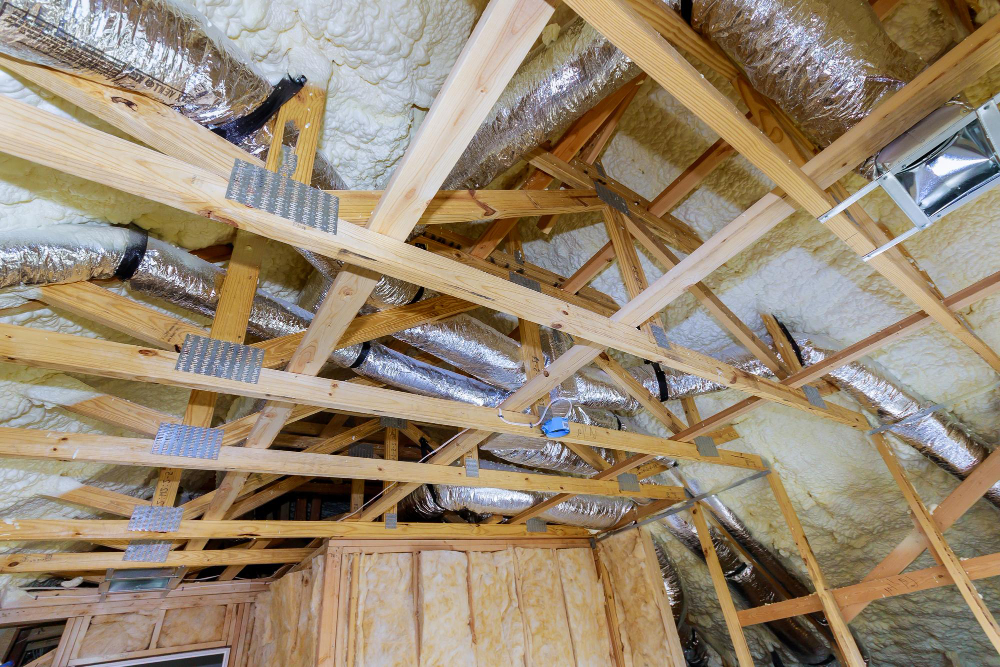
You should aim for R-38 to R-60 in most climates, depending on your heating and cooling costs. According to ENERGY STAR, the recommended attic insulation level for homes in the mid-Atlantic climate zone that includes Washington DC is R-49 to R-60 for uninsulated attics. Spray foam insulation offers the highest R-value per inch but costs more than traditional materials.
Sealing air leaks before adding new insulation materials
Air leaks around penetrations waste more energy than thin insulation does. You must seal gaps around pipes, wires, ductwork, and recessed lights before adding insulation.
Use expanding foam or caulk for small cracks under half an inch wide. For larger openings, cut rigid foam board to fit and seal the edges. Pay special attention to the top plates where walls meet the attic floor.
Recessed lights need airtight covers rated for insulation contact. Standard fixtures create fire hazards when buried in insulation. Roof ventilation solutions only work when air moves through vents instead of leaking through your ceiling.
Benefits homeowners experience after resolving attic issues
Fixing attic ventilation and insulation problems leads to noticeable changes in comfort, monthly costs, and how well your home holds up over time. These improvements show up in your energy bills, the way your heating and cooling system runs, and the condition of your attic space.
More stable indoor temperatures across all seasons
Your home maintains more consistent temperatures when attic ventilation and insulation work properly together. Hot air stops building up in the attic during summer, which means less heat radiates down into your living space. In winter, proper insulation keeps warm air from escaping through the roof.
You'll notice fewer temperature swings between rooms. The second floor stays cooler in summer instead of feeling stuffy and overheated. Bedrooms become more comfortable at night because the ceiling isn't radiating stored heat from the attic.
Cold spots near walls and ceilings disappear when insulation gaps get fixed. Your thermostat reading matches how the room actually feels. The buffer zone between your living space and outside conditions works the way it should.
Reduced HVAC strain and lower energy bills
Your heating and cooling system runs less often when your attic is properly ventilated and insulated. The equipment doesn't have to work as hard to maintain your target temperature. This means lower monthly energy bills and less wear on expensive HVAC components.
According to the U.S. Environmental Protection Agency, homeowners can save an average of about 15% on heating and cooling costs by air sealing their homes and adding insulation in attics, floors over crawl spaces, and accessible basement rim joists. Heating costs drop because insulation keeps conditioned air inside your home instead of letting it escape through the roof. Your HVAC system cycles on and off at normal intervals instead of running constantly.
The compressor and blower motor last longer when they aren't overworked. You'll schedule fewer repair calls and push back the need for full system replacement. These savings add up over the years you own your home.
Improved attic dryness and long-term home durability
Proper ventilation removes moisture from your attic before it causes damage. Fresh air flows through the space and carries humidity outside. Wood framing, roof decking, and insulation stay dry instead of absorbing condensation.
Your roof lasts longer when the attic temperature stays closer to outside air temperature. Shingles don't deteriorate as quickly from excessive heat buildup. Ice dams become less likely in winter because snow melts evenly across the roof surface.
You avoid problems that show up from trapped moisture:
- Mold and mildew growth on wood surfaces
- Rot in roof decking and framing members
- Reduced insulation performance from water damage
- Rusty nails and metal connectors
- Peeling paint on exterior trim
The structural parts of your home maintain their strength and integrity. You spend less on emergency repairs and roof replacements over the decades you live there.
Conclusion
Attic ventilation and insulation work together to create a healthy, efficient home. You need both systems to maintain proper temperature control and prevent moisture problems. One cannot replace the other.
Good insulation keeps your heated or cooled air inside your living space. It reduces energy waste and lowers your utility bills. But insulation alone can trap moisture in your attic, which leads to mold growth and wood rot.
Ventilation allows air to flow through your attic space. This airflow removes excess moisture and heat that builds up over time. In winter, ventilation keeps your attic cold to prevent ice dams. In summer, it helps remove hot air that can damage your roof and increase cooling costs.
You should check your attic regularly to make sure both systems function correctly. Look for signs of moisture damage, compressed insulation, or blocked vents. Most homes need R-38 to R-60 insulation in the attic, depending on your climate zone.
If you plan to upgrade your attic, address both ventilation and insulation at the same time. This approach gives you the best results. Working with a professional can help you determine the right balance for your specific home and climate.
To schedule a professional attic ventilation and insulation assessment for your DC home, contact Terra Insulation today.