
Water droplets forming on cold surfaces in your attic might seem like a small problem, but it can lead to serious damage if you ignore it. Condensation happens when warm, moist air meets cold surfaces like roof decking or rafters. This creates moisture that can soak into wood, insulation, and other materials.
Attic condensation occurs when warm, humid air from your living spaces rises into the attic and hits cold surfaces, turning into water droplets that can damage your home's structure and reduce energy efficiency.
You can prevent major repair costs by learning what causes this moisture buildup and how to stop it. In this article, you’ll learn what causes condensation problems in attic spaces, how to identify the warning signs, and which fixes help prevent attic water damage and mold.
Here’s what you’ll find below:
- What causes condensation in an attic?
- Signs of condensation problems in your attic
- Risks of ignoring attic condensation
- How to fix condensation problems in attic
- Benefits of addressing attic condensation early
- Why choose Terra Insulation for condensation prevention in attic
Keep reading to know the signs to watch for, explain why quick action matters, and show you practical ways to fix and prevent condensation in your attic.
What causes condensation in an attic?
Condensation forms when warm, moist air from your living spaces rises into the attic and meets cold surfaces like the roof deck or rafters. This moisture buildup stems from temperature differences, ventilation problems, water leaks, insulation failures, and humidity from daily activities inside your home.
Warm indoor air meeting cold attic surfaces
Temperature differences between your heated home and cold attic create the perfect conditions for condensation. When warm air rises through ceiling penetrations or bypasses in your insulation, it carries water vapor into the attic space.
The moisture in this warm air turns into water droplets when it contacts cold surfaces like roof sheathing, rafters, or metal fasteners. This process happens most often during winter months when the temperature gap between your living space and attic is greatest.
Cold weather makes your roof deck extremely cold while your home stays warm. The bigger this temperature difference, the more condensation you'll see. Even small amounts of warm air entering your attic can create significant moisture problems over time.
Poor attic ventilation and airflow restrictions
Inadequate ventilation traps humid air in your attic instead of letting it escape. Your attic needs both intake vents at the eaves and exhaust vents near the ridge to create proper airflow.
Blocked soffit vents prevent fresh air from entering your attic. Insulation pushed too far into the eaves, debris buildup, or improper installation all restrict this critical intake airflow. Without adequate intake, your ventilation system cannot function correctly.
Insufficient exhaust vents at the roof peak trap moisture inside. You need a balanced system where air enters low and exits high to remove humidity effectively. An imbalanced system with more intake than exhaust, or vice versa, fails to move air through the space properly.
Per the U.S. Department of Energy (DOE) Building America guidance, a common ventilation rule of thumb is 1 sq. ft. of net free vent area per 150 sq. ft. of insulated ceiling area (and 1:300 when a vapor barrier is present), which helps explain the intake/exhaust balance needed to reduce attic moisture buildup.
Leaks from roof or plumbing penetrations
Water entering through your roof creates immediate attic moisture issues that look similar to condensation. Missing or damaged shingles, worn flashing around chimneys, or failed pipe boots allow rain and melting snow into your attic.
Roof leaks typically show up as isolated wet spots on specific rafters or in concentrated areas. The moisture appears during or shortly after rain events rather than on cold dry days.
Plumbing vent pipes, bathroom exhaust fans vented into the attic, and HVAC ducts can all leak moisture into the space. A bathroom fan that terminates in the attic rather than outside pumps humid air directly into the space every time someone showers.
Check all roof penetrations carefully because even small leaks add significant moisture over time.
Inadequate or damaged insulation
Insulation serves two purposes: it keeps your home warm and creates a thermal barrier between living spaces and the cold attic. Missing insulation allows warm air to reach cold surfaces more easily.
Gaps in your insulation around recessed lights, plumbing pipes, electrical wires, and ductwork create pathways for warm moist air. These air leaks, called thermal bypasses, let humidity flow directly into your attic even when you have adequate insulation thickness elsewhere.
Wet or compressed insulation loses its effectiveness. Water-damaged insulation cannot maintain proper temperatures or block airflow. Compressed insulation in the eaves reduces both thermal protection and ventilation space.
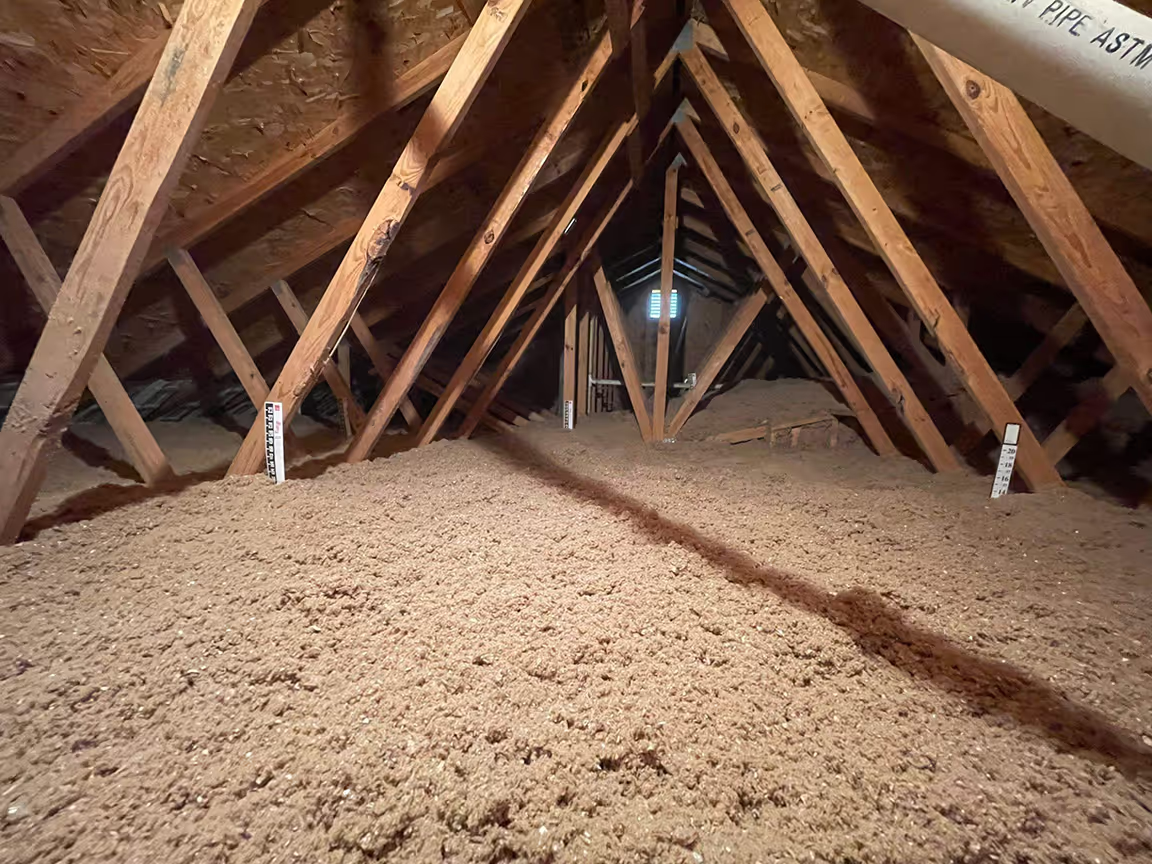
Your attic floor needs proper insulation depth for your climate zone. Most homes require R-38 to R-60 insulation values, which translates to 10-20 inches depending on the insulation type.
According to ENERGY STAR (U.S. EPA), the recommended level for most attics is R-38 (about 10–14 inches depending on insulation type), and increasing attic R-value helps keep roof decking colder in winter by reducing heat flow from the house into the attic.
Excess humidity from household activities
Daily activities in your home create substantial water vapor that rises into the attic. Cooking, showering, doing laundry, and even breathing release moisture into your indoor air.
A family of four produces 2-3 gallons of water vapor daily through normal activities. Without proper ventilation and vapor barriers, this moisture travels upward through your ceiling into the attic space.
Humidifiers add extra moisture to your indoor air during winter months. While they improve comfort, they also increase the amount of water vapor that can reach your attic. Running a whole-house humidifier set too high significantly worsens condensation problems.
Unvented bathroom exhaust fans, dryer vents terminating in the attic, and improperly sealed attic access hatches all allow humid air to enter directly. Make sure all exhaust systems vent outside your home and seal any openings between your living space and attic.
Signs of condensation problems in your attic
Condensation problems often show clear physical signs before they cause major damage to your home. Recognizing these warning signs early helps you address moisture issues before they lead to costly repairs or health hazards.
Visible water droplets on rafters or insulation
Water droplets forming on wooden rafters, roof sheathing, or insulation indicate active condensation in your attic. These droplets appear when warm, moist air from your living spaces rises and meets cold surfaces in the attic.
You'll typically notice these droplets during winter months or on cold mornings. The water collects on metal fasteners, nails, and wood surfaces first because these materials cool down faster than surrounding air. If your insulation feels damp or wet to the touch, this confirms that moisture is accumulating in your attic space.
Check the underside of your roof sheathing carefully. Fresh water droplets mean condensation is happening right now, while dried water marks show the problem occurs regularly.
Mold or mildew growth
Mold in attic spaces appears as black, green, gray, or white patches on wood surfaces, insulation, or stored items. This growth thrives in damp conditions created by ongoing condensation problems. You'll most commonly find it on roof sheathing, rafters, and areas with poor air circulation.
Mildew looks similar to mold but appears as a powdery or fuzzy surface coating. Both mold and mildew need moisture to grow, so their presence confirms that your attic has a condensation issue. Dark spots spreading across wooden beams or discolored patches on insulation are clear indicators.
The longer moisture remains in your attic, the more extensive the mold growth becomes. Some mold types can affect your indoor air quality and create health concerns for your family.
Musty odors in the attic or home
A damp, musty smell in your attic signals that moisture has been present long enough for mold or mildew to develop. This odor often spreads through your home's ventilation system or ceiling penetrations.
The smell becomes most noticeable when you open the attic access door or during humid weather. Even if you can't see visible mold growth, this odor means spores are actively growing somewhere in the space. The scent resembles old, wet cardboard or a basement smell.
If you notice this musty odor in rooms below your attic, the problem has likely progressed beyond the early stages. The smell indicates that moisture is affecting materials throughout your attic space.
Stains or discoloration on ceilings and walls
Brown, yellow, or gray stains on your ceiling indicate water damage from attic condensation. These marks appear as rings, streaks, or patches that darken over time. You'll typically see them in corners, along the edges where walls meet ceilings, or around light fixtures.
Peeling or bubbling paint on ceilings also points to moisture problems above. The condensation seeps through the ceiling material and damages the paint or drywall finish. Fresh stains appear darker and may feel slightly damp, while old stains look faded but remain visible.
These stains differ from roof leak marks because they often appear in multiple locations rather than just one spot. Condensation affects broader areas of your attic, creating several problem zones at once.
Rotting wood or deteriorating structural components
Wood rot in your attic beams, rafters, or roof decking shows that condensation has been present for an extended period. The wood becomes soft, spongy, or crumbly when you press it with your finger or a screwdriver. Healthy wood feels firm and resists pressure.
Rusty nails, corroded metal fasteners, and deteriorating truss plates also indicate long-term moisture exposure. These metal components oxidize faster in damp conditions. You might notice rust stains running down from nail heads or brackets that have lost their protective coating.
Structural damage from rotting wood compromises your roof's integrity. The affected beams lose their load-bearing capacity, which can lead to sagging roof lines or more serious structural failures if left unaddressed.
Risks of ignoring attic condensation
Ignoring condensation in your attic puts your home at risk for structural damage, health problems, higher energy bills, pest issues, and expensive repairs that only get worse over time.
Structural damage and wood rot
Water from condensation soaks into wooden beams, rafters, and roof decking in your attic. This moisture weakens the wood over time and creates conditions for rot to develop. Once wood rot starts, it spreads quickly through your attic's support structure.
The damage often goes unnoticed until it becomes severe. Rotted wood loses its ability to hold weight properly. Your roof framing may sag or become unstable.
Metal components in your attic also suffer from condensation damage. Nails, fasteners, and metal brackets can rust and fail. This puts additional stress on your home's structure and increases the chance of needing major repairs to prevent attic water damage.
Mold exposure affecting indoor air quality
Moisture from attic condensation creates the perfect environment for mold to grow. Mold needs only moisture, warmth, and organic material like wood or insulation to thrive. Your attic provides all three conditions when condensation problems exist.
According to the U.S. EPA, drying water-damaged materials within 24–48 hours is a key step to prevent mold growth, which is why active attic condensation should be addressed promptly before damp wood or insulation becomes a persistent mold source.
Mold spreads through spores that travel through your home's air system. These spores can trigger allergic reactions, breathing problems, and other health issues for you and your family. People with asthma or weakened immune systems face higher risks.
The mold often grows in hidden areas of your attic where you can't see it. By the time you notice a musty smell or visible growth, the problem has usually spread to multiple locations. Removing mold requires professional treatment and can be costly.
Reduced insulation effectiveness and energy efficiency
Wet insulation from condensation loses its ability to work properly. Water fills the air pockets in insulation that normally trap heat. This makes your insulation less effective at keeping your home comfortable.
Your heating and cooling systems must work harder to maintain the right temperature. This drives up your energy bills month after month. The extra strain on your HVAC equipment can also shorten its lifespan.
Soaked insulation often needs complete replacement. You can't just dry it out and expect it to perform like new. The moisture also adds weight that can cause insulation to compress or sag, creating gaps in your thermal barrier.
Increased risk of pest infestations
Pests seek out damp, warm spaces to build nests and find food. Your condensation-filled attic becomes an attractive home for insects and rodents. Termites particularly love moisture-damaged wood.
Carpenter ants also target wet wood in attics. These pests tunnel through already weakened beams and framing, making structural problems worse. Rodents use damaged insulation for nesting material and contaminate your attic with droppings.
Once pests establish themselves in your attic, they can spread to other parts of your home. Getting rid of an infestation requires pest control services and repairs to the damage they cause.
Costly repairs and long-term damage to your home
Small condensation problems become expensive disasters when ignored. What starts as minor moisture buildup can require replacing roof decking, framing, insulation, and drywall. These repairs often cost thousands of dollars.
Your home's resale value drops when buyers discover moisture damage or mold problems during inspections. You may need to lower your asking price or pay for repairs before selling. Some insurance policies don't cover damage from condensation because it develops gradually over time.
The longer you wait to address condensation, the more areas of your home become affected. Moisture can seep into walls and ceilings below your attic. This creates additional repair costs and disruption to your daily life during the fix.
How to fix condensation problems in attic
Fixing attic condensation requires a combination of better airflow, proper insulation, and blocking moisture sources from your home. Each solution addresses a specific cause of the problem, and you may need to use several methods together for the best results.
Improve attic ventilation with vents or fans
Good airflow moves humid air out of your attic before it can turn into condensation. Your attic needs both intake vents near the eaves and exhaust vents near the roof peak to create proper circulation.
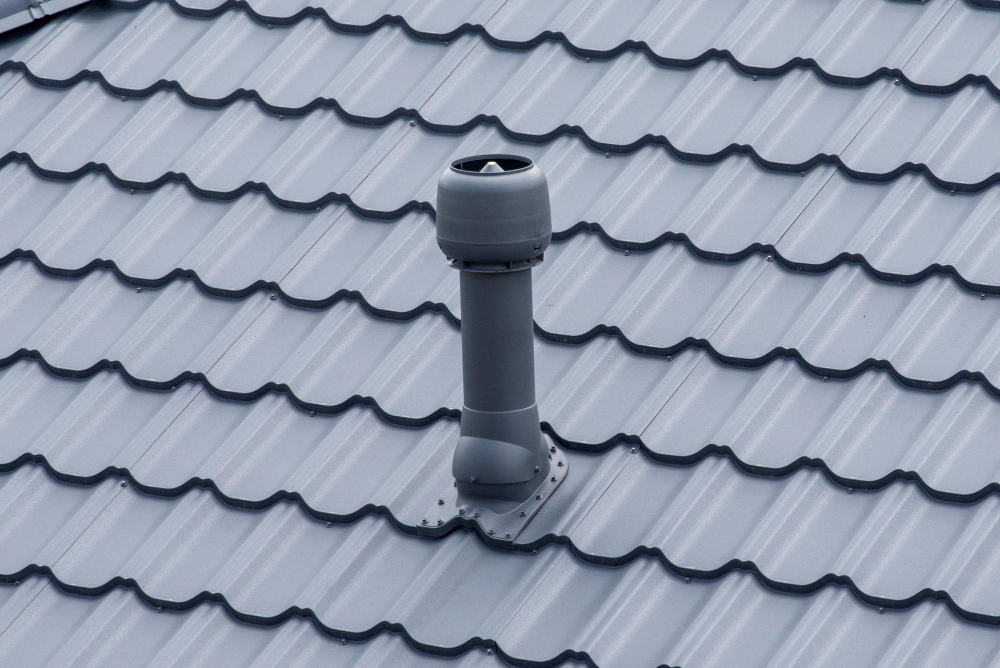
Install soffit vents at the bottom of your roof overhangs to bring fresh air in. Add ridge vents along the top of your roof or gable vents on the ends of your attic to let warm, moist air escape. The standard rule is one square foot of ventilation for every 150 square feet of attic space.
Powered attic fans can boost ventilation in attics with limited natural airflow. These fans turn on automatically when temperature or humidity levels get too high. Make sure you have enough intake vents before adding exhaust fans, or the fans will pull air from your living spaces instead of the outside.
Check that existing vents aren't blocked by insulation, debris, or storage items. Clear any obstructions to restore proper airflow through your attic.
Upgrade insulation to moisture-resistant materials
Old or damaged insulation loses its ability to control temperature and can trap moisture. Replace wet insulation immediately, as it won't dry out properly and can grow mold.
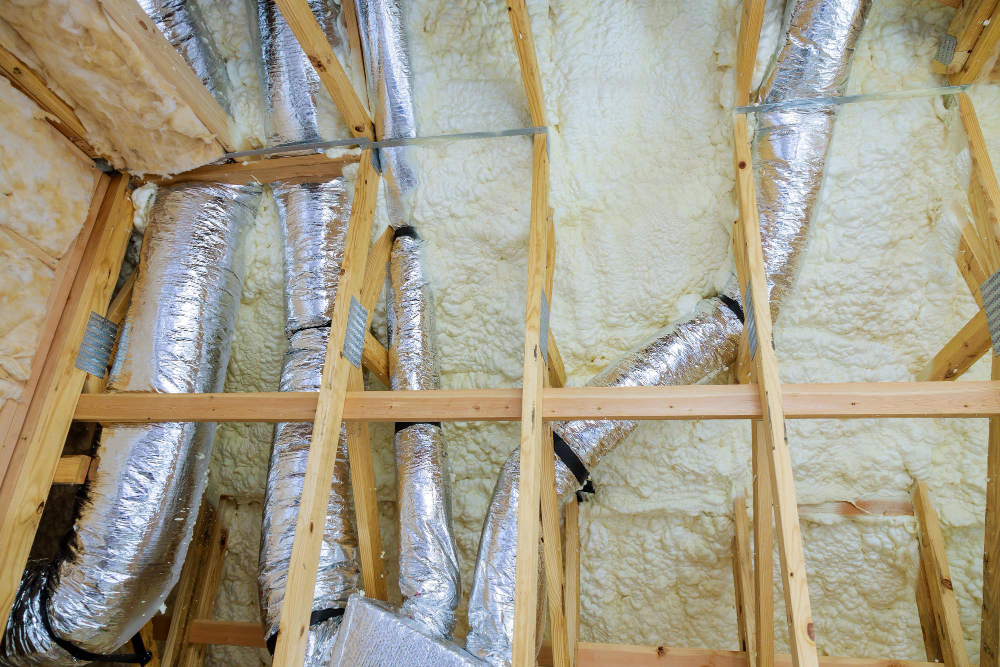
Choose insulation materials that resist moisture damage. Spray foam insulation creates an airtight seal and doesn't absorb water like fiberglass batts. Closed-cell spray foam works best in areas with high humidity or condensation problems.
If you prefer fiberglass or cellulose insulation, make sure it stays dry and maintains proper thickness. Compressed or matted insulation doesn't work well. Add enough insulation to meet your climate zone's recommended R-value, which measures how well it prevents heat transfer.
Keep insulation away from recessed lights, chimneys, and other heat sources unless they're rated for direct contact. Leave space around these fixtures to prevent fire hazards while still maintaining good thermal protection throughout the rest of the attic.
Seal air leaks from living spaces into the attic
Warm, humid air from your home enters the attic through gaps and cracks in the ceiling. These leaks are a major cause of attic insulation condensation.
Look for openings around plumbing pipes, electrical wires, light fixtures, and HVAC ducts. Check the areas where walls meet the attic floor and around the attic access door or hatch. Use expanding foam, caulk, or weatherstripping to seal these gaps based on their size.
Pay special attention to larger openings like whole-house fan covers, fold-down attic stairs, and chimney chases. These spots need specialized sealing methods. Install an insulated cover over attic stairs and add weatherstripping around the edges.
Seal around bathroom and kitchen exhaust fans that vent into the attic. Better yet, extend these vents to the outside so moisture doesn't enter your attic at all.
Install vapor barriers to control humidity
Vapor barriers slow down moisture movement from your living spaces into the attic. These plastic or foil sheets go on the warm side of your insulation, facing down toward your heated rooms.
Most modern insulation comes with an attached vapor barrier, like kraft paper on fiberglass batts. If your insulation doesn't have one, add a polyethylene plastic sheet between the insulation and your ceiling drywall during installation or renovation.
Don't add vapor barriers in warm, humid climates where they can trap moisture and cause problems. They work best in cold climates where your home's interior stays warmer than the outside air most of the year.
Never install vapor barriers on both sides of your insulation. This traps moisture inside with no way to dry out, making condensation problems worse instead of better.
Regular professional attic inspections and maintenance
Schedule attic inspections at least once a year to catch condensation problems early. A professional can spot issues you might miss, like hidden water stains, mold growth, or inadequate ventilation.
Fall inspections prepare your attic for winter, when condensation problems typically get worse. Spring checkups assess any damage from the cold months. Professionals use moisture meters and thermal imaging cameras to find problems that aren't visible to the naked eye.
During inspections, check for new roof leaks, damaged insulation, blocked vents, and signs of pest activity. Look at the condition of vapor barriers and previously sealed air leaks to make sure they still work properly.
Fix small problems right away before they become expensive repairs. Clean gutters and remove debris from roof vents as part of regular maintenance. Keep storage organized and away from vents to maintain good airflow year-round.
Benefits of addressing attic condensation early
Taking action at the first signs of attic condensation protects your home from expensive damage and keeps your living space healthy. Early fixes save money, preserve your home's structure, and create a safer environment for your family.
Prevent mold growth and health risks
Mold thrives in damp conditions, and your attic provides the perfect environment when condensation goes unchecked. Once mold takes hold, it spreads quickly through wood, insulation, and other porous materials. The spores can travel through your home's ventilation system and affect the air you breathe.
Mold exposure causes respiratory problems, allergic reactions, and worsens asthma symptoms. Children, elderly family members, and anyone with compromised immune systems face the highest risk. Black mold is particularly dangerous and requires professional removal.
Addressing condensation early stops mold before it starts growing. You avoid the health risks and skip the costly remediation process that can run into thousands of dollars.
Maintain energy efficiency and lower utility bills
Condensation damages your attic insulation by making it wet and compressing its fibers. Wet insulation loses its ability to trap air and regulate temperature. Your heating and cooling systems work harder to maintain comfortable temperatures throughout your home.
This extra work shows up directly on your energy bills. Your HVAC system runs longer cycles and uses more power to compensate for the reduced insulation effectiveness. During winter, warm air escapes faster. In summer, hot air penetrates your living space more easily.
Fixing condensation problems keeps your insulation dry and functioning properly. You maintain the thermal barrier that keeps energy costs under control year-round.
Preserve structural integrity of the roof and attic
Water from condensation weakens the wooden beams, rafters, and roof decking in your attic. Wood that stays damp for extended periods begins to rot and lose its strength. Metal components like fasteners, brackets, and roofing nails rust and corrode.
These structural problems worsen over time and compromise your roof's ability to support its own weight plus snow loads. Rotted wood needs replacement, which means expensive repairs and potential safety hazards. In severe cases, weakened structures can lead to roof sagging or partial collapse.
Early intervention keeps these structural elements dry and strong. You avoid major repair bills and maintain the safety of your home.
Extend the life of insulation and building materials
Attic insulation is designed to last for decades, but moisture cuts that lifespan dramatically. Wet insulation compresses, clumps together, and loses its effectiveness permanently. You'll need to replace it much sooner than the manufacturer intended.
Condensation also damages other building materials in your attic:
- Drywall becomes soft and crumbles
- Electrical wiring corrodes and creates fire hazards
- Paint and finishes peel and blister
- Stored items develop water damage and mildew
Replacing these materials costs significantly more than preventing condensation in the first place. Each damaged component requires labor and materials that add up quickly. By addressing condensation early, you get the full lifespan from your building materials and insulation.
Peace of mind with a dry, safe attic space
A dry attic gives you confidence that your home is protected from hidden damage. You don't have to worry about surprise repair bills or health issues from mold exposure. Your attic remains usable for storage without risking your belongings.
You also maintain your home's resale value. Home inspectors look for signs of moisture damage, and condensation problems can scare off potential buyers or reduce your selling price. A well-maintained attic shows that you've taken care of the property.
Regular checks become simple when you've addressed condensation issues. You can quickly verify that everything stays dry and your ventilation system works properly.
Why choose Terra Insulation for condensation prevention in attic
Terra Insulation brings specialized knowledge and proven methods to solve attic condensation problems. The company offers expert assessment, quality materials, and installation practices designed to keep moisture under control.
Expertise in moisture-resistant insulation solutions
Terra Insulation understands how moisture moves through your attic space. The team knows which insulation materials work best to prevent condensation from forming on cold surfaces.
They use products that create effective barriers between warm indoor air and cold attic spaces. This prevents the temperature differences that cause water droplets to form on wood, metal, and other surfaces.
The company stays current on moisture control techniques. Their installers know how to combine insulation with proper air sealing to stop humid air from reaching cold areas where condensation occurs.
Key moisture control features:
- Vapor barriers in critical locations
- Air sealing around penetrations and gaps
- Proper R-value selection for your climate
- Materials that resist mold and moisture damage
Professional assessment and installation
Your attic receives a thorough inspection before any work begins. Terra Insulation examines existing insulation, ventilation, air leaks, and signs of past moisture problems.
They measure your attic dimensions and calculate the right amount of insulation needed. The assessment identifies problem areas where warm air enters the attic or where cold spots allow condensation to form.
Professional installation ensures insulation performs as intended. The crew seals air leaks first, then installs insulation at the correct depth without compression or gaps. They maintain proper clearances around vents, chimneys, and recessed lights.
Local service with reliable results
Terra Insulation serves your area with an understanding of local building codes and climate challenges. They know the specific moisture and temperature issues homes face in your region.
You get responsive service from a team familiar with your community. The company stands behind their work with warranties and follows up to ensure your condensation problems are resolved.
Local service means faster response times when you need help. You can reach them easily for questions or concerns about your attic's performance.
Customized solutions for every attic type
No two attics are identical. Terra Insulation designs solutions based on your home's specific conditions.
They consider:
- Your attic's current ventilation system
- The type of roof structure you have
- Whether you have a finished or unfinished attic
- Existing insulation that may need removal
- Your home's heating and cooling equipment
Cathedral ceilings need different treatment than traditional attics. Older homes may require more extensive air sealing than newer construction. Terra Insulation adjusts their approach to match what your space needs to stay dry and properly insulated.
Conclusion
Attic condensation problems need quick attention to prevent serious damage to your home. When you ignore moisture buildup, you risk mold growth, wood rot, and higher energy bills.
The good news is that fixing condensation issues is straightforward once you understand the causes. Most problems come from poor ventilation, lack of insulation, or air leaks that let warm air escape into your attic.
Regular attic inspections help you catch moisture problems early. Check your attic a few times each year, especially during winter months when condensation is most common. Look for water stains, frost, mold, or musty smells.
You can handle some fixes yourself, like sealing small air leaks or adding insulation. For bigger problems or if you see extensive damage, call a roofing professional. They can identify hidden issues and make sure repairs are done right.
Taking care of condensation problems protects your home's structure and keeps your family healthy. The time and money you spend now saves you from expensive repairs later.
Schedule an attic moisture inspection with Terra Insulation to diagnose the source of condensation, verify ventilation and insulation performance, and provide an estimate for corrective upgrades that prevent mold and attic water damage.