
Choosing the best insulation for older homes retrofit projects in Washington DC means working around plaster walls, historic details, and decades-old construction that wasn't built with energy efficiency in mind. The right combination of materials and air sealing can transform a drafty pre-war rowhouse into a comfortable, efficient home without sacrificing its character.
Older homes in Washington DC lose heat through walls, ceilings, and windows that were built decades before modern energy standards existed. You face rising utility bills and uneven temperatures room to room. The best insulation for older home retrofits includes blown-in cellulose for closed wall cavities, spray foam for rim joists and crawl spaces, and radiant barriers in attics, all installed without tearing down original plaster or damaging historic details.
Most retrofit projects fail because contractors skip air sealing or choose the wrong material for your home's construction type. Your house may have brick exterior walls, plaster and lath interiors, or no vapor barrier at all. These conditions require different approaches than new construction.
This guide walks you through why your home stays drafty, what makes Washington DC properties different, and which insulation methods deliver real comfort improvements.
In this article, we cover:
- Why older homes remain drafty
- Retrofit insulation challenges unique to Washington DC homes
- Best insulation methods without major wall demolition
- Common causes of disappointing insulation results
- What to expect after a successful retrofit
Keep reading to learn which materials and installation methods will deliver lasting comfort and lower energy bills in your older DC home.
Why older homes remain drafty
Older homes lose heat and cool air through gaps that weren't addressed during original construction, and the building methods used decades ago simply didn't account for energy efficiency the way modern techniques do.
Hidden air leaks inside walls and attics waste conditioned air
Your older home contains dozens of small gaps where air escapes constantly. These leaks exist around electrical outlets, light fixtures, and plumbing penetrations that pass through walls and ceilings. The spaces where your walls meet the attic floor create pathways for air to flow freely between living spaces and unconditioned areas.
Recessed lighting fixtures in older homes often lack proper sealing. Each fixture can leak as much air as a hole the size of a baseball cut into your ceiling. The gaps around window and door frames also allow significant air movement, even when the windows and doors themselves close tightly.
Your chimney creates another major leak point. The area where the chimney passes through your attic often has large gaps that were never sealed properly. Attic hatches and pull-down stairs rarely have weather stripping or insulation, creating direct openings to unconditioned space.
Older construction methods often lack modern insulation standards
Homes built before 1960 typically have little to no insulation in the walls. Builders focused on structure and appearance rather than thermal performance. Your walls might contain empty cavities or minimal materials like newspaper or sawdust that provide almost no insulating value.
Attics in older homes frequently have just 2-4 inches of insulation when modern standards call for 10-14 inches in most climates. The insulation that does exist has often settled, compressed, or deteriorated over time. This reduces its effectiveness significantly.
Basement and crawl space walls were rarely insulated in older construction. The foundation walls transfer cold directly into your living space during winter months. Floor joists above unheated basements also lack insulation in most older homes.
Homeowners usually notice uneven temperatures first
You feel the difference most clearly when moving between rooms. One bedroom stays freezing while another feels comfortable, even though both have the same thermostat setting. Upper floors become unbearably hot in summer while the main floor remains cool.
Cold spots near windows and exterior walls make certain areas of rooms unusable during winter. You avoid sitting in specific chairs or working at desks positioned against outside walls. Floors feel cold underfoot, especially in rooms above garages or unheated spaces.
Your heating and cooling system runs constantly but never achieves consistent comfort. Energy bills climb higher each year as your equipment works harder to compensate for heat loss and air leakage throughout the house.
Retrofit insulation challenges unique to Washington DC homes
Washington DC's older homes present specific obstacles when adding insulation due to their construction methods and strict preservation requirements. According to the U.S. Census Bureau American Community Survey, a substantial share of the District's housing stock was built before 1940, which means most of the city's homes predate any meaningful energy code and require careful retrofit approaches that address plaster construction, regulatory constraints, and moisture management.
Plaster walls make insulation upgrades more complicated
Your plaster walls create significant access barriers that don't exist in homes with drywall. Traditional plaster and lath construction requires careful removal techniques to avoid damaging the wall structure and finish. You cannot simply drill holes or cut openings without risking cracks that spread across entire wall sections.
The thickness and density of plaster also limits your insulation options. Blown-in insulation requires precise drilling to access wall cavities without compromising structural integrity. You'll need specialized contractors who understand how to work with plaster and lath systems without causing extensive damage.
Wall cavities in plaster homes often contain unexpected obstacles like diagonal bracing, fireblocks, and irregular stud spacing. These features make it difficult to achieve complete insulation coverage. Your insulation contractor must use inspection cameras or exploratory openings to map cavity layouts before beginning work.
Historic home structures require careful material selection
You face strict regulations if your Washington DC home sits in one of the nearly 70 designated historic districts. The DC Historic Preservation Review Board must approve exterior alterations and sometimes interior changes that affect the building's character. Your insulation choices need to meet both energy efficiency goals and preservation standards.
Period-appropriate materials and installation methods take priority in landmark properties. You cannot use modern spray foam in wall cavities if it could damage historic materials or make future repairs impossible. Reversible insulation methods often become necessary to maintain compliance with preservation guidelines.
Your historic home's unique architectural features require custom insulation approaches. Original windows, decorative moldings, and masonry details need protection during retrofit work. You must balance thermal performance improvements against the risk of moisture trapping behind exterior brick or stone walls that were designed to breathe.
Moisture control becomes critical during insulation retrofits
Washington DC's humid climate creates condensation risks when you add insulation to older homes without vapor barriers. Your uninsulated walls previously allowed moisture to escape through air movement. Adding insulation without proper moisture management can trap water vapor inside wall cavities, leading to rot and mold growth.
Your basement and crawl space insulation requires extra attention to moisture sources. Many older DC homes have stone foundations or unfinished basements with dampness issues. You need to address water infiltration and humidity problems before installing insulation in these areas.
The relationship between your exterior brick walls and new insulation demands careful planning. Brick facades need to dry toward both the interior and exterior. You must avoid creating a moisture sandwich by choosing vapor-permeable insulation materials and maintaining adequate air gaps behind masonry walls.
Best insulation methods without major wall demolition
Retrofit insulation options let you upgrade thermal performance through small access points rather than removing entire wall surfaces. Attic work and injection techniques provide the most return on investment for older homes.
Blown-in insulation improves wall performance with minimal disruption
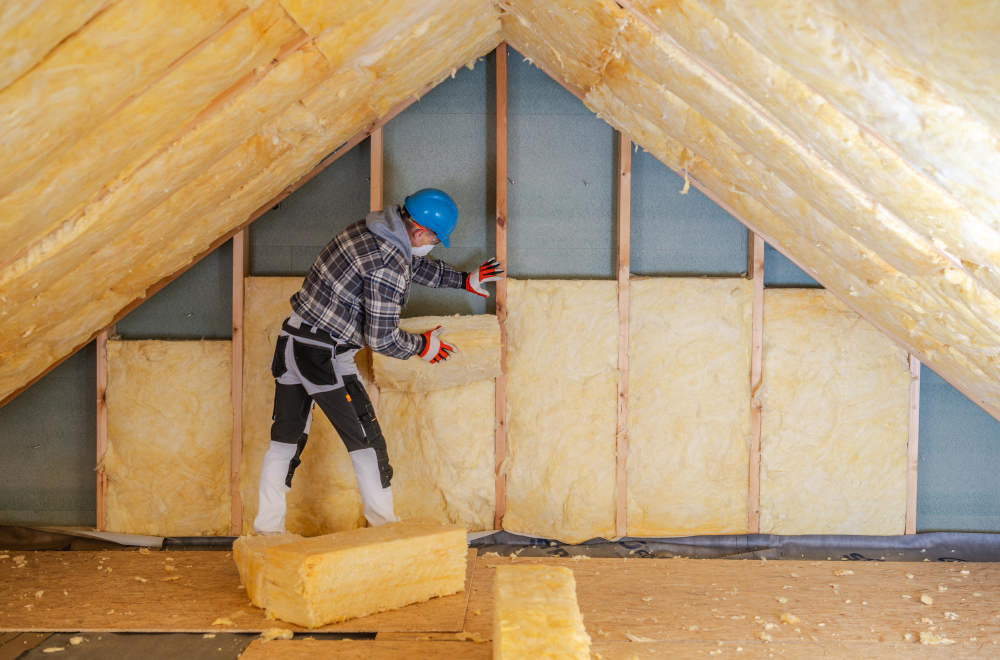
Blown-in cellulose or fiberglass enters wall cavities through small holes drilled from the exterior or interior. Contractors typically drill 2-3 inch holes between each stud bay, then patch and paint them after installation. The material fills gaps around wiring and plumbing that older homes often contain.
Cellulose works well for wall insulation retrofit because it settles less than other materials. It reaches an R-value of 3.2-3.8 per inch. Dense-pack installation prevents future settling by filling cavities at higher density.
The process takes one to two days for most homes. Costs range from $1.50 to $3.00 per square foot depending on wall access and material choice.
Key benefits:
- Fills irregular cavities in old framing
- Minimal damage to existing finishes
- Fire-resistant when treated with borate
- Made from recycled materials in many cases
Spray foam helps seal hard-to-reach air leaks effectively
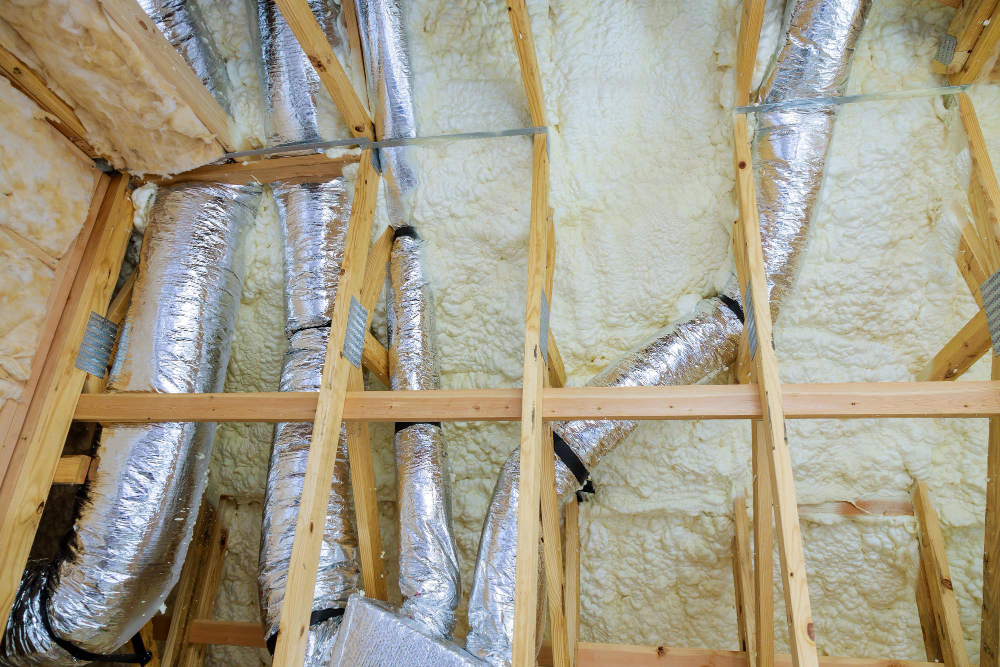
Injection foam enters wall cavities through similar small holes as blown-in options. The foam expands to fill gaps completely and creates an air barrier alongside insulation value. This approach works particularly well in rim joists and areas where balloon framing creates vertical air channels.
Two-part injection foam reaches R-values between 4.0 and 5.0 per inch. It adheres to wood framing and can fill spaces that blown materials might miss. Professional installation requires specialized equipment to control expansion rates.
The material costs more than cellulose but provides superior air sealing. Expect to pay $3.00 to $6.00 per square foot for professional installation. The higher upfront cost often pays back through better energy savings.
Attic insulation upgrades often deliver the fastest efficiency gains
Attic insulation for old houses provides the best cost-to-benefit ratio of any retrofit project. According to the U.S. Department of Energy, insulating your attic to the recommended levels for your climate zone is one of the most cost-effective ways to reduce energy use and improve comfort in an existing home, particularly when paired with thorough air sealing.
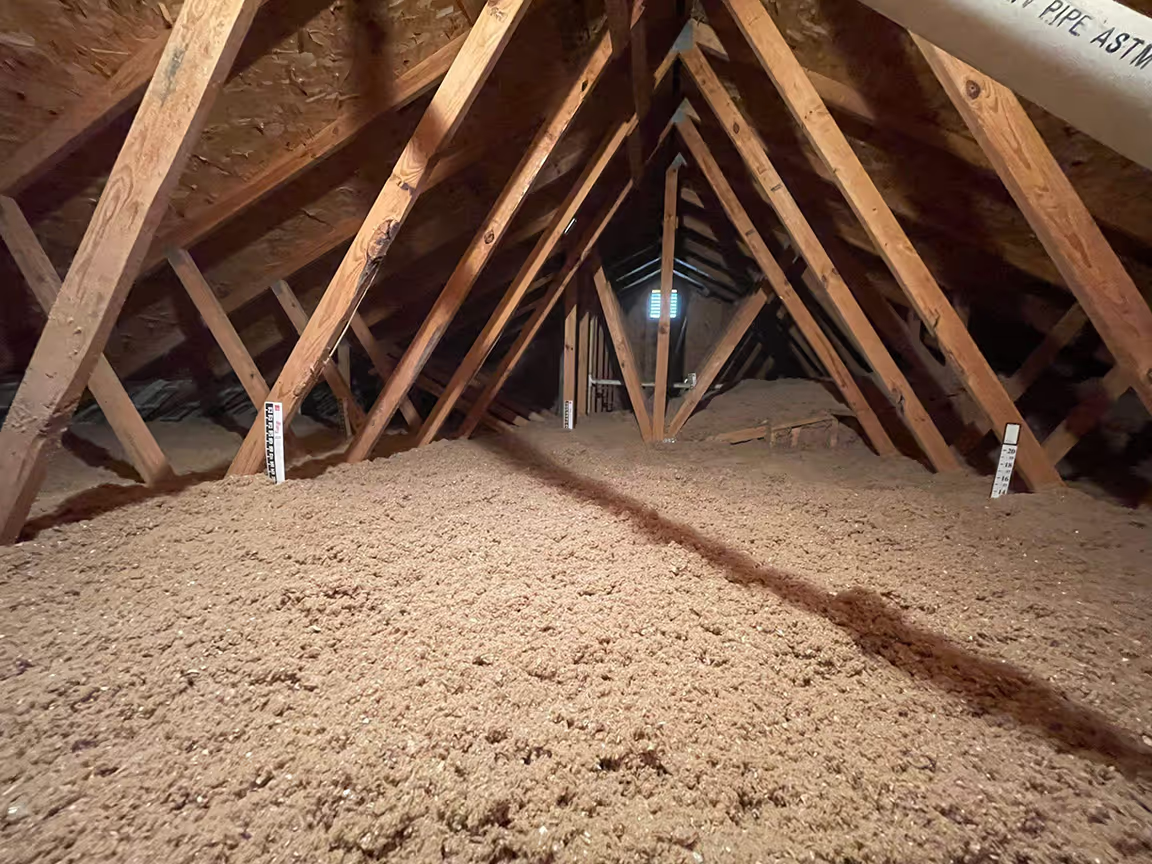
Blown-in cellulose or fiberglass can be added directly over existing attic insulation. Target R-values of R-38 to R-60 depending on your climate zone. The work requires no wall penetration and typically completes in one day.
Address air sealing before adding insulation. Seal gaps around plumbing vents, chimneys, and recessed lights with fire-rated caulk or foam. This step prevents warm air from bypassing the insulation layer.
Attic upgrade checklist:
- Seal all air leaks first
- Add ventilation baffles at eaves
- Maintain proper roof ventilation
- Keep insulation away from heat sources
- Install at least 10-14 inches of blown material
Common causes of disappointing insulation results
Adding insulation to an older home doesn't always deliver the comfort and energy savings you expect. The problem usually isn't the insulation itself but how it works with your home's existing structure and systems.
Poor air sealing reduces the benefit of new insulation
Air leaks around windows, doors, outlets, and other gaps can cancel out much of what insulation does for your home. Warm air escapes in winter and hot air enters in summer through these openings, no matter how much insulation you add.
Insulation slows heat transfer through walls and ceilings, but it doesn't stop air movement. According to ENERGY STAR, homeowners can save an average of around 15% on heating and cooling costs by air sealing their homes and adding insulation in attics, floors over crawl spaces, and accessible basement rim joists. Without sealing gaps first, you're essentially trying to keep your home comfortable with holes in the thermal barrier.
Common air leak locations include:
- Window and door frames
- Electrical outlets and switches
- Plumbing penetrations
- Attic hatches
- Basement rim joists
You should seal these areas with caulk, weatherstripping, or spray foam before or during insulation installation. This step makes your new insulation far more effective at controlling temperature.
Ventilation problems can create moisture and comfort issues
Older homes need to breathe, especially if they have traditional materials like solid wood framing or plaster walls. Sealing them too tight without proper ventilation traps moisture inside the walls and attic spaces.
Trapped moisture leads to mold growth, wood rot, and damaged insulation that loses its effectiveness. This happens when vapor from cooking, bathing, and daily activities has nowhere to go. Your retrofit insulation project needs to include ventilation planning, particularly in attics and crawl spaces.
Breathable insulation materials like cellulose or mineral wool often work better in older homes than closed-cell spray foam. These materials allow some moisture movement while still providing good thermal performance.
Incorrect insulation levels leave rooms unevenly heated or cooled
Adding the same amount of insulation everywhere doesn't account for how different areas of your home lose or gain heat. Your attic typically needs more insulation than your walls because heat rises and collects there.
Many retrofit projects fall short by under-insulating critical areas or over-insulating spaces that don't need it. Each part of your home has recommended R-values based on your climate zone. Missing these targets means some rooms stay too hot or cold while others feel comfortable.
Uneven insulation also occurs when installers leave gaps around pipes, wires, or irregular spaces in older homes. These thermal bridges let heat pass through and create cold spots you'll notice on winter nights.
What to expect after a successful retrofit
After completing your insulation retrofit, you'll notice meaningful changes in how your home performs. These improvements affect daily comfort, energy bills, and how well your home handles weather changes throughout each season.
More stable indoor temperatures throughout the year
Your home will maintain more consistent temperatures from room to room and floor to floor. The attic-to-basement temperature swing that was common before will shrink significantly.
During summer, your upstairs bedrooms won't feel like an oven anymore. In winter, your floors will feel less cold, and you won't need to pile on extra blankets at night.
The improved insulation creates a thermal barrier that slows heat transfer. This means your heating and cooling systems work with your home instead of fighting against it. You'll notice fewer hot and cold spots in rooms that used to be uncomfortable.
Energy efficiency in older homes improves because the conditioned air you pay for stays inside longer. Your HVAC system cycles on and off less frequently, which means it runs more efficiently and experiences less wear over time.
Lower heating and cooling costs during seasonal extremes
Your monthly energy bills will drop most noticeably during the coldest and hottest months. Many homeowners see reductions of 15-30% on their heating and cooling costs after a proper retrofit.
The exact savings depend on several factors:
- How much insulation was missing before
- Which areas of your home received upgrades
- Your local climate and seasonal temperature swings
- The age and efficiency of your HVAC equipment
Winter typically shows the biggest difference in energy efficiency for older homes. Your furnace won't need to run constantly to maintain comfortable temperatures. Summer savings appear when your air conditioner doesn't struggle as hard during heat waves.
These cost reductions often help offset the initial investment in your retrofit within 5-10 years.
Reduced drafts and improved overall indoor comfort
Cold air infiltration around windows, doors, and electrical outlets will decrease substantially. You won't feel those mystery drafts that made certain spots in your home uncomfortable.
Your home will feel more pleasant even when the thermostat is set a few degrees lower in winter or higher in summer. This happens because radiant temperature (how warm or cold surfaces feel) balances out with air temperature.
Indoor humidity levels become easier to control. Properly insulated walls and attics reduce condensation problems and make your home feel less clammy in summer or overly dry in winter. The air quality often improves since there's less dust and outdoor pollutants entering through gaps and cracks.
Conclusion
Retrofitting insulation in an older Washington DC home delivers real comfort and energy improvements when done correctly. You need to plan for the unique challenges of plaster walls, historic preservation requirements, and moisture management to get the best results.
The right combination of materials makes a significant difference in your project's success. Blown-in cellulose works well for closed wall cavities. Spray foam handles rim joists and air leaks. Attic insulation upgrades typically deliver the fastest return on your investment.
Air sealing must come before insulation installation. Without this step, even the best insulation materials will underperform. Your home needs both thermal protection and a tight air barrier to control temperatures effectively.
The investment in a proper retrofit pays back through lower energy bills, more consistent temperatures, and reduced wear on your HVAC system. Most homeowners see 15-30% reductions in heating and cooling costs after the work is complete.
Older homes deserve careful attention to detail during any insulation project. Rushing the work or skipping critical steps like air sealing leads to disappointing results that fail to deliver the comfort you expected.
To plan a retrofit that respects your older DC home's character while delivering modern energy performance, reach out to Terra Insulation for a professional assessment.