
Winter months can be tough on homes. Cold air sneaks through tiny cracks and drives up heating bills. Many homeowners struggle to keep their homes warm and comfortable when temperatures drop.
Spray foam insulation creates an airtight seal that blocks cold air from entering and warm air from escaping, which can lower heating costs and improve comfort during winter. This type of insulation expands to fill gaps and cracks that other materials miss. It works differently than traditional options like fiberglass or cellulose.
This article explains how spray foam handles cold weather conditions and why it outperforms other insulation types. The guide also covers maintenance tips and benefits that go beyond just keeping a house warm in winter.
Here's what you need to know:
- How spray foam insulation works in cold climates
- Benefits of spray foam insulation in cold weather
- Signs your home needs spray foam insulation for winter
- Spray foam vs traditional insulation in cold weather
- How professional spray foam installation works
- Additional benefits of spray foam beyond cold weather
- Maintenance tips for spray foam insulation in cold climates
- Why choose TerraInsulation for spray foam insulation
Keep reading! You’ll learn how to tell if your home needs better insulation and what to expect from professional installation
How spray foam insulation works in cold climates
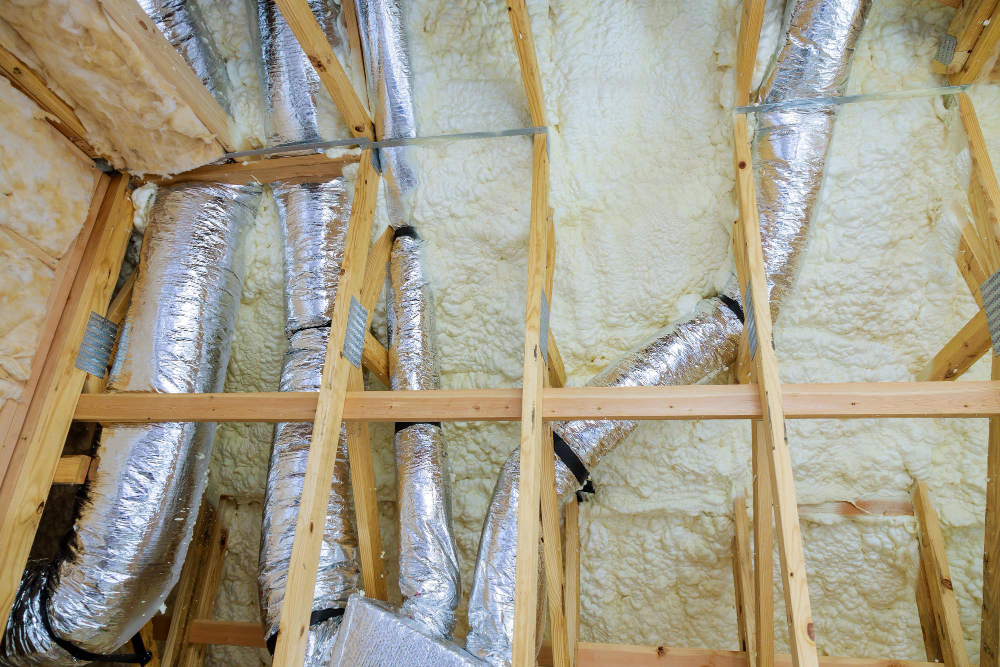
Spray foam insulation creates an air-tight barrier that stops heat from escaping and cold air from entering a home. It expands to fill gaps and cracks that other insulation materials cannot reach, making it one of the most effective winter insulation solutions available.
Understanding spray foam's air-sealing properties
Spray foam expands when applied to create a continuous barrier across surfaces. This expansion allows it to fill small cracks, gaps around pipes, and spaces between framing members that traditional insulation misses.
The material acts as both insulation and an air barrier at the same time. Traditional insulation like fiberglass allows air to pass through its fibers, which reduces its effectiveness. Spray foam blocks air movement completely once it cures.
The air-sealing capability eliminates drafts and prevents moisture from entering wall cavities. Cold air cannot leak through sealed surfaces, which keeps indoor temperatures stable. This tight seal also stops warm indoor air from escaping through hidden gaps in the building envelope.
Closed-cell spray foam creates a stronger air barrier than open-cell foam because of its dense structure. Open-cell foam still provides air sealing but with less rigidity and moisture resistance.
How it prevents heat loss during winter
Heat naturally moves from warm areas to cold areas through conduction, convection, and air leakage. Spray foam addresses all three methods of heat transfer at once.
The foam's cellular structure traps air pockets that slow down heat conduction through walls and ceilings. These trapped air bubbles act as insulators that reduce the rate of heat transfer.
By sealing gaps and cracks, spray foam stops convective heat loss where warm air escapes and cold air enters. This prevents the stack effect that pulls heated air out through the top of a building while drawing cold air in from below.
Spray foam maintains its insulating value in freezing temperatures without settling or compressing. Traditional insulation can develop gaps over time as materials settle, but spray foam stays in place and keeps its full thickness.
Advantages over traditional insulation in cold weather
Spray foam provides higher R-values per inch than fiberglass or cellulose insulation. Closed-cell foam offers R-6 to R-7 per inch, while fiberglass provides only R-2.5 to R-3.5 per inch.
Key performance differences:
Insulation Type
R-Value Per Inch
Air Sealing
Moisture Resistance
Closed-cell foam
R-6 to R-7
Excellent
Excellent
Open-cell foam
R-3.5 to R-4
Very good
Fair
Fiberglass
R-2.5 to R-3.5
Poor
Poor
Cellulose
R-3 to R-4
Fair
Poor
Traditional insulation materials can absorb moisture in cold climates, which reduces their insulating ability. Closed-cell spray foam repels water and prevents condensation from forming inside walls.
The seamless application of spray foam eliminates thermal bridges where heat can escape. Fiberglass batts often leave gaps around pipes, wires, and irregular framing that create cold spots. Spray foam conforms to these obstacles and maintains consistent coverage throughout the space.
Benefits of spray foam insulation in cold weather
Spray foam insulation delivers multiple advantages for homes in cold climates, from cutting energy costs to protecting against moisture damage. These benefits make it a top choice for homeowners who want reliable winter protection.
Improved energy efficiency and lower heating bills
Spray foam insulation creates an airtight seal that stops heated air from escaping. This seal prevents heat loss through walls, attics, and crawl spaces where traditional insulation often fails.
The material expands to fill every crack and gap in the building envelope. Cold air cannot sneak in through these openings, which means heating systems work less to maintain comfortable temperatures.
According to the U.S. EPA’s ENERGY STAR program, air sealing together with added insulation yields average savings of about 15% on heating and cooling costs (and ~11% on total energy), with higher savings in colder zones.
Key energy-saving features:
- High R-value that provides superior thermal resistance
- Air sealing properties that eliminate energy waste
- Long-lasting performance that maintains efficiency for decades
The return on investment often occurs within 3-7 years through reduced energy costs. This makes spray foam insulation cold climates particularly cost-effective for long-term homeowners.
Enhanced indoor comfort and even temperature distribution
Traditional insulation allows temperature variations between rooms and floors. Spray foam eliminates these inconsistencies by creating a continuous thermal barrier throughout the home.
Rooms stay at stable temperatures without the fluctuations common in poorly insulated homes. Second floors no longer feel significantly warmer than basements during winter months.
The material blocks outdoor noise along with temperature extremes. Families experience quieter living spaces while enjoying consistent warmth from room to room.
Reduces drafts and cold spots
Drafts near windows, doors, and electrical outlets disappear when spray foam seals building cavities. The expanding foam reaches into spaces that other insulation types cannot access.
Cold spots along exterior walls become a thing of the past. Furniture can be placed anywhere without worrying about uncomfortable cold zones.
Spray foam insulation works especially well in these problem areas:
- Basement rim joists where cold air typically enters
- Attic spaces where heat normally escapes
- Around window frames and door openings
- Near plumbing penetrations and electrical boxes
The material remains flexible enough to maintain its seal even as buildings shift slightly over time.
Moisture barrier to prevent ice dam and mold issues
Spray foam acts as both insulation and a moisture barrier in cold climates. This dual function protects homes from water damage that often occurs during winter.
Ice dams form when warm air melts snow on roofs, which then refreezes at the edges. Spray foam prevents this heat loss, keeping roof temperatures consistent and stopping ice dam formation.
According to researchers at the University of Minnesota Extension, ice dams are fundamentally driven by attic heat warming the roof surface; effective prevention requires sealing ceiling air leaks, increasing attic insulation, and ensuring continuous eave-to-ridge ventilation.
The material resists water absorption better than fiberglass or cellulose insulation. Moisture cannot accumulate within the foam, which eliminates conditions where mold and mildew thrive.
Closed-cell spray foam provides complete moisture protection for areas prone to condensation. This includes basement walls, crawl spaces, and areas near water pipes that risk freezing in extreme cold.
Signs your home needs spray foam insulation for winter
Cold weather exposes weak spots in a home's insulation system, leading to higher energy costs and comfort problems. Recognizing these warning signs helps homeowners address insulation issues before winter conditions worsen.
High heating bills despite normal usage
Energy bills that increase without changes in thermostat settings or usage patterns indicate heat loss through inadequate insulation. Air leaks in walls, ceilings, and floors force heating systems to work longer and harder to maintain comfortable temperatures.
Homeowners should compare current winter bills to previous years to identify unusual spikes. A 15-20% increase beyond normal seasonal adjustments often signals serious insulation problems. Spray foam creates an airtight barrier that prevents heated air from escaping through small cracks and gaps that traditional insulation misses.
The expanded structure of spray foam fills spaces that fiberglass batts cannot reach. This complete coverage stops thermal transfer and reduces the workload on furnaces and heat pumps. Lower energy consumption translates directly to reduced monthly heating costs throughout the winter season.
Uneven temperatures across rooms
Noticeable temperature differences between rooms reveal inconsistent insulation coverage throughout the home. Some rooms feel significantly colder than others even when vents distribute heat evenly. This happens when certain walls or ceiling areas lack proper insulation or contain air gaps.
Cold spots near exterior walls suggest thermal bridging where heat passes through structural elements. Rooms above garages or near attics typically experience more temperature variation. Spray foam addresses these problems by forming a continuous insulation layer without gaps or compressed areas.
The material expands to fill irregular spaces and adheres to surfaces to eliminate air movement. This creates uniform thermal protection across all rooms and floors. Consistent temperatures improve comfort and eliminate the need to adjust thermostats for different areas of the home.
Drafts near windows, doors, and attic areas
Cold air entering through windows, door frames, and attic access points indicates failed air sealing. These drafts occur where building materials meet and create small openings. Traditional weatherstripping degrades over time and leaves gaps that allow air infiltration.
Attic areas present particular challenges because heat naturally rises and escapes through any available opening. Spray foam applied in attics creates a complete thermal envelope that stops both air movement and heat transfer. The material seals around electrical boxes, pipes, and ductwork that penetrate the attic floor.
Closed-cell spray foam provides the strongest air barrier with minimal expansion and contraction during temperature changes. It maintains its seal even in extreme cold conditions. Eliminating drafts improves comfort and prevents cold air from forcing heating systems to cycle more frequently.
Moisture or frost buildup in the attic
Condensation, water stains, or frost in the attic space signals warm indoor air meeting cold surfaces. This moisture problem occurs when inadequate insulation allows heated air to escape into unconditioned spaces. The temperature difference causes water vapor to condense on cold wood, metal, or roofing materials.
Frost accumulation on attic sheathing during winter months indicates serious air leakage from living spaces below. This moisture damages wood framing and creates conditions for mold growth. Spray foam prevents this issue by stopping air movement and providing a vapor barrier in one application.
The material's structure blocks moisture transmission while maintaining its insulating properties. Attic spray foam benefits include eliminating ice dam formation on roofs by keeping attic temperatures consistent with outdoor conditions. This protects both the structure and roofing materials from moisture-related damage throughout the winter season.
Spray foam vs traditional insulation in cold weather
Spray foam insulation outperforms traditional materials in cold climates through better air sealing, higher thermal resistance, and stronger durability that maintains performance over time.
Superior R-value and air sealing
Spray foam delivers more thermal resistance per inch than fiberglass batts or cellulose. Closed-cell spray foam provides an R-value of 6 to 7 per inch, while fiberglass typically offers only R-2.9 to R-3.8 per inch. This means homeowners need less thickness to achieve the same insulation level.
Per ENERGY STAR guidance informed by the 2021 IECC, cold-climate attics (Zones 6–8) are typically targeted to about R-60 (R-49 where some insulation already exists), emphasizing higher R-values for winter performance.
The air sealing capability sets spray foam apart from traditional options. When applied, spray foam expands to fill every crack and gap in walls, creating an airtight barrier. Traditional insulation materials like fiberglass or cellulose cannot seal air leaks effectively, leaving spaces where cold air enters and warm air escapes.
In cold weather, these air leaks account for significant heat loss. Spray foam stops this problem at the source by creating a continuous insulation layer. Traditional materials require separate air sealing steps, which often leave gaps that compromise the entire insulation system.
Longevity and durability advantages
Spray foam maintains its insulating properties for decades without settling or degrading. Traditional insulation materials face serious problems in cold climates over time. Fiberglass can compress and lose R-value, while cellulose settles and creates gaps in coverage.
Moisture poses a major threat to insulation performance in cold weather. Closed-cell spray foam acts as a moisture barrier, preventing water vapor from penetrating walls and ceilings. Traditional insulation absorbs moisture, which reduces its R-value and can lead to mold growth.
The structural rigidity of spray foam adds strength to walls and roofs. This benefit matters in cold climates where ice dams and heavy snow loads stress building materials. Traditional insulation provides no structural support.
Reduced energy loss and increased comfort
Homes with spray foam insulation experience fewer drafts and more consistent temperatures throughout rooms. The complete air seal eliminates cold spots near windows, doors, and exterior walls. Traditional insulation allows air movement that creates uncomfortable temperature variations.
Energy bills drop significantly when spray foam replaces traditional materials. The combination of higher R-value and complete air sealing reduces heating system runtime. Homeowners in cold climates typically see energy savings of 30 to 50 percent compared to homes with fiberglass or cellulose insulation.
Indoor comfort improves beyond just temperature control. Spray foam blocks outside noise more effectively than traditional materials. The air seal also prevents outdoor allergens and pollutants from entering living spaces, creating a healthier indoor environment during winter months when homes stay closed up.
How professional spray foam installation works
Professional installers follow a structured process to ensure spray foam insulation performs correctly in cold weather. This process includes checking the home for problem areas, preparing the workspace, applying the foam evenly, and verifying everything meets quality standards.
Initial home inspection and assessment
A professional installer starts by examining the entire property to identify areas that need insulation. They look for air leaks, moisture problems, and existing insulation issues. The inspector checks walls, attics, crawl spaces, and basements to determine where spray foam will provide the most benefit.
During this assessment, the installer measures temperatures in different areas of the home. Cold weather makes it easier to spot drafts and heat loss using thermal imaging cameras. These tools show exactly where warm air escapes through gaps and cracks.
The inspector also evaluates the home's ventilation system. Proper airflow remains important even after sealing gaps with spray foam. They calculate how much insulation the home needs based on its size, climate zone, and existing R-value requirements.
Preparing spaces for safe application
Installers protect the home before applying spray foam. They cover windows, doors, electrical outlets, and fixtures with plastic sheeting and tape. Any items that cannot be moved get wrapped in protective materials.
The team removes obstacles from work areas to ensure clear access. They set up proper ventilation systems since spray foam releases fumes during application. In cold weather, installers may use heaters to warm the substrate to at least 40°F for proper foam adhesion.
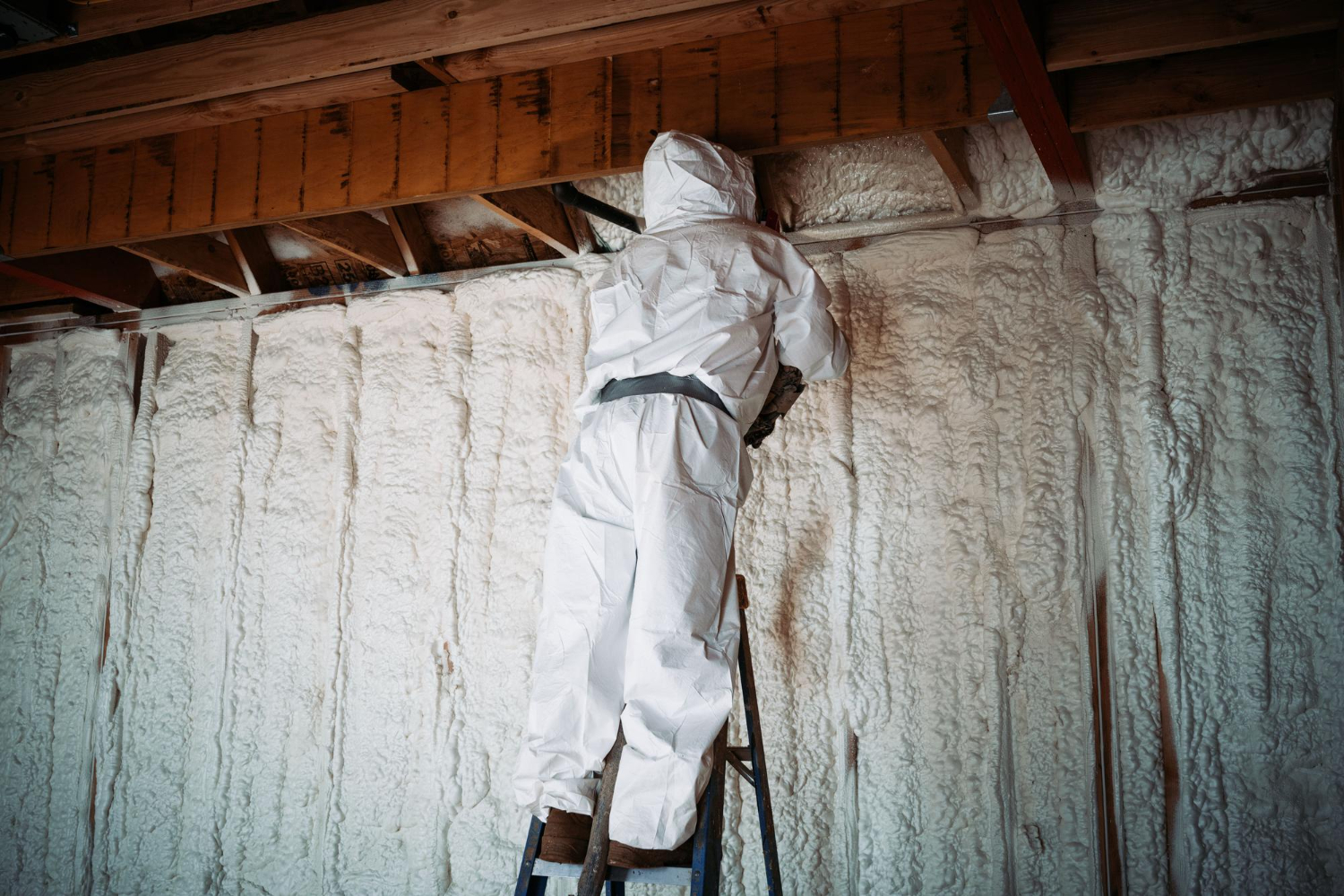
Workers wear protective equipment including respirators, goggles, and full-body suits. Homeowners and pets must leave the premises during application. The installer stores foam chemicals at recommended temperatures to maintain their effectiveness in cold conditions.
Even application and post-installation inspection
Professional installers use specialized spray equipment that mixes two chemical components at the application nozzle. The foam expands rapidly to fill gaps and create an airtight seal. They apply multiple passes to reach the desired thickness and R-value.
The installer maintains consistent distance and speed while spraying. This technique ensures uniform coverage without thin spots or excessive buildup. In cold weather, professionals may use winter-blend formulas designed for lower temperatures.
After the foam cures, inspectors examine the entire application. They check for proper expansion, adhesion, and coverage. Any areas with gaps or insufficient thickness receive additional foam. The team trims excess foam to create smooth surfaces where needed.
Ensuring optimal performance in winter conditions
Installers verify that substrate temperatures meet minimum requirements before application. Most spray foam products need surfaces at 40°F or higher for proper curing. They use thermometers to confirm temperatures throughout the work area.
The team monitors humidity levels since moisture affects foam performance. Cold weather often brings damp conditions that can interfere with adhesion. Professional installers use dehumidifiers or adjust their application timing to avoid moisture-related problems.
Final quality checks include testing for air leaks using blower door tests. This equipment measures how well the spray foam seals the building envelope. Installers document the R-value achieved and provide homeowners with warranty information and maintenance guidelines.
Additional benefits of spray foam beyond cold weather
Spray foam insulation delivers value that extends well past winter protection. It reduces unwanted noise, blocks pests from entering through small openings, and increases property worth over time.
Noise reduction and soundproofing
Spray foam acts as a sound barrier by filling gaps and creating a dense seal within walls, floors, and ceilings. The material absorbs sound waves and prevents them from traveling between rooms or from outside sources.
This makes spray foam useful for homeowners who live near busy streets, airports, or noisy neighbors. Inside the home, it reduces sound transfer between floors and rooms. Bedrooms become quieter, and sounds from kitchens or living areas stay contained.
Closed-cell spray foam provides better soundproofing than open-cell foam due to its denser structure. Open-cell foam still offers noise reduction but focuses more on absorbing sound within a space rather than blocking it completely.
The difference in noise levels becomes most noticeable in:
- Home offices during video calls
- Bedrooms during sleep hours
- Entertainment rooms with loud audio systems
- Shared walls between rooms
Pest prevention and sealed gaps
Spray foam expands to fill cracks, holes, and gaps that pests typically use to enter homes. Insects, rodents, and other small animals look for openings around pipes, vents, windows, and foundation areas.
Once applied, the foam hardens into a solid barrier that pests cannot chew through or squeeze past. This eliminates common entry points without requiring additional pest control measures.
Traditional insulation like fiberglass leaves gaps and provides nesting material for rodents. Spray foam removes both problems by creating an airtight seal and offering no loose material for animals to use.
The foam seals gaps around electrical outlets, plumbing penetrations, and areas where different building materials meet. These spots often get overlooked during construction but create perfect pathways for pest entry.
Increased home value and long-term savings
Homes with spray foam insulation sell for higher prices because buyers recognize the energy efficiency and comfort benefits. The insulation typically lasts for decades without sagging, settling, or losing effectiveness.
Energy bills drop significantly after installation, with many homeowners seeing 20-30% reductions in heating and cooling costs. These savings accumulate year after year, offsetting the initial installation investment.
Spray foam also protects the home structure by controlling moisture. This prevents mold growth, wood rot, and other damage that leads to expensive repairs. The material doesn't break down over time like traditional insulation options.
Home appraisers account for quality insulation when determining property value. Energy-efficient features attract more buyers and justify higher asking prices in competitive real estate markets.
Maintenance tips for spray foam insulation in cold climates
Spray foam insulation requires minimal maintenance but still needs regular attention in cold climates. Checking for damage, keeping moisture out, and watching for material changes helps the insulation work at its best throughout winter.
Periodic inspection for damage or gaps
Homeowners should inspect spray foam insulation at least twice per year, preferably before and after winter. Visual checks help identify cracks, gaps, or areas where the foam may have separated from the substrate.
Cold temperatures can stress the building materials around the foam. This movement sometimes creates small openings where air can leak through. Walking through the attic, crawl spaces, and basement walls with a flashlight reveals problem spots.
Signs of damage include:
- Visible cracks or splits in the foam surface
- Dark streaks indicating air leakage
- Loose or detached sections
- Areas where the foam appears compressed
Any gaps larger than a quarter-inch need professional attention. Small surface cracks usually don't affect performance, but deeper splits can reduce insulation value.
Protecting insulation from moisture intrusion
Moisture poses the biggest threat to spray foam performance in cold weather. Water infiltration can freeze and expand, damaging the foam structure and reducing its ability to insulate.
Checking roof areas and foundation walls for water entry points prevents moisture damage. Homeowners should look for ice dams, condensation buildup, or water stains near the insulated areas. Proper ventilation in attics and crawl spaces keeps humidity levels down.
Critical areas to monitor:
- Roof penetrations and chimney flashing
- Window and door frames
- Plumbing stack openings
- Foundation wall intersections
Closed-cell spray foam naturally resists moisture better than open-cell varieties. Both types still need protection from direct water exposure. Fixing leaks immediately prevents long-term problems with the insulation system.
Addressing settling or shrinkage over time
Spray foam can experience minor dimensional changes during extreme temperature swings. Cold weather causes slight contraction while warmer periods lead to expansion. These changes rarely cause major issues but deserve attention.
Open-cell foam shows more movement than closed-cell formulations. Homeowners might notice small gaps appearing at the edges where foam meets framing members. These gaps typically measure less than an eighth of an inch.
Professional contractors can fill any significant gaps that develop over time. They use compatible foam products that bond properly with the existing insulation. Most quality spray foam installations maintain their integrity for 20 to 30 years without needing repairs.
Temperature cycling becomes less problematic after the first few seasons. The foam stabilizes once it has gone through several freeze-thaw cycles.
Why choose Terra Insulation for spray foam insulation
Terra Insulation brings trained professionals and proven methods to every cold weather insulation project. The company handles spray foam materials safely and provides full-service support to keep homes warm through harsh winters.
Licensed and experienced installation technicians
Terra Insulation employs technicians who hold proper licensing and certifications for spray foam application. These professionals complete ongoing training to stay current with installation techniques and building codes.
The team understands how cold weather affects spray foam performance during application. They know the right temperature ranges for installation and adjust their methods based on outdoor conditions. This knowledge prevents common problems like poor foam expansion or weak adhesion.
Experienced installers identify air leaks and thermal bridges that homeowners often miss. They assess each home's specific needs and recommend the appropriate foam type and thickness. The technicians work efficiently to minimize disruption while ensuring complete coverage in walls, attics, and crawl spaces.
Safe handling and application of spray foam
Spray foam chemicals require careful handling to protect both installers and homeowners. TerraInsulation follows strict safety protocols during every installation. The crew wears proper protective equipment and sets up ventilation systems to maintain air quality.
The company uses high-quality foam products that meet safety standards. Installers monitor mixing ratios and application temperatures to ensure the foam cures correctly. Proper curing eliminates off-gassing concerns and creates a safe living environment.
The team prepares work areas to prevent overspray and protects existing structures. They clean up thoroughly after installation and conduct air quality checks before homeowners return to treated spaces.
Comprehensive service for optimal winter performance
TerraInsulation provides complete insulation services beyond basic foam application. The process starts with a detailed home assessment to identify problem areas and calculate insulation needs. This evaluation includes thermal imaging to spot hidden air leaks.
The company offers customized solutions based on each home's construction and climate challenges. They handle preparation work like sealing major gaps and installing vapor barriers when needed. Post-installation services include inspections to verify proper coverage and performance.
TerraInsulation stands behind their work with warranties that protect the investment. The team remains available to answer questions and address any concerns after installation. They provide maintenance recommendations to help the insulation perform efficiently for years.
Conclusion
Spray foam insulation stands out as a reliable choice for homes in cold climates. It creates an airtight seal that stops drafts and heat loss better than traditional insulation materials. This means lower heating bills and a more comfortable living space during winter months.
The material works by expanding into cracks and gaps that other insulation types can't reach. Closed-cell spray foam offers the highest protection against cold weather because of its dense structure and moisture resistance. It also adds structural strength to walls and roofs.
The upfront cost of spray foam is higher than other insulation options. However, the energy savings and added comfort make it worth considering for cold climate homes. The material pays for itself over time through reduced utility bills.
Professional installation is important for getting the best results. Trained technicians know how to handle the product correctly in cold weather conditions. They ensure proper coverage and avoid common application problems that can reduce effectiveness.
Spray foam insulation gives homeowners a practical solution for dealing with harsh winter weather. It keeps indoor spaces warm while cutting down on wasted energy.
Schedule a professional spray foam insulation assessment and installation for winter performance—book your appointment today.