
Wall insulation typically replacement is needed every 15 to 20 years, but you might need to replace it sooner if you notice higher energy bills, uneven temperatures, or visible damage.
Your home's walls do more than hold up the roof. They keep warm air inside during winter and hot air outside during summer. When insulation inside your walls stops working well, your energy bills go up and your home feels less comfortable.
Old or damaged insulation can't protect your home properly. It lets heat escape through your walls and makes your heating and cooling system work harder than it should.
Replacing wall insulation improves your comfort and lowers your monthly costs. In this article, you’ll learn when wall insulation replacement makes sense, how to spot failing insulation, and what replacement options can improve comfort and efficiency.
Here’s what you need to know:
- What is wall insulation replacement?
- Signs your wall insulation needs replacement
- Benefits of replacing wall insulation
- Types of wall insulation replacement options
- How Terra Insulation ensures quality wall insulation replacement
Keep reading! You'll learn how to spot the warning signs that your insulation needs help, what options you have for replacement, and how to choose the right solution for your home.
What is wall insulation replacement?
Wall insulation replacement involves removing outdated or damaged insulation from your walls and installing new materials that better regulate your home's temperature and reduce energy costs. This process addresses thermal performance issues, eliminates moisture problems, and brings your walls up to current efficiency standards.
Removing old or damaged wall insulation
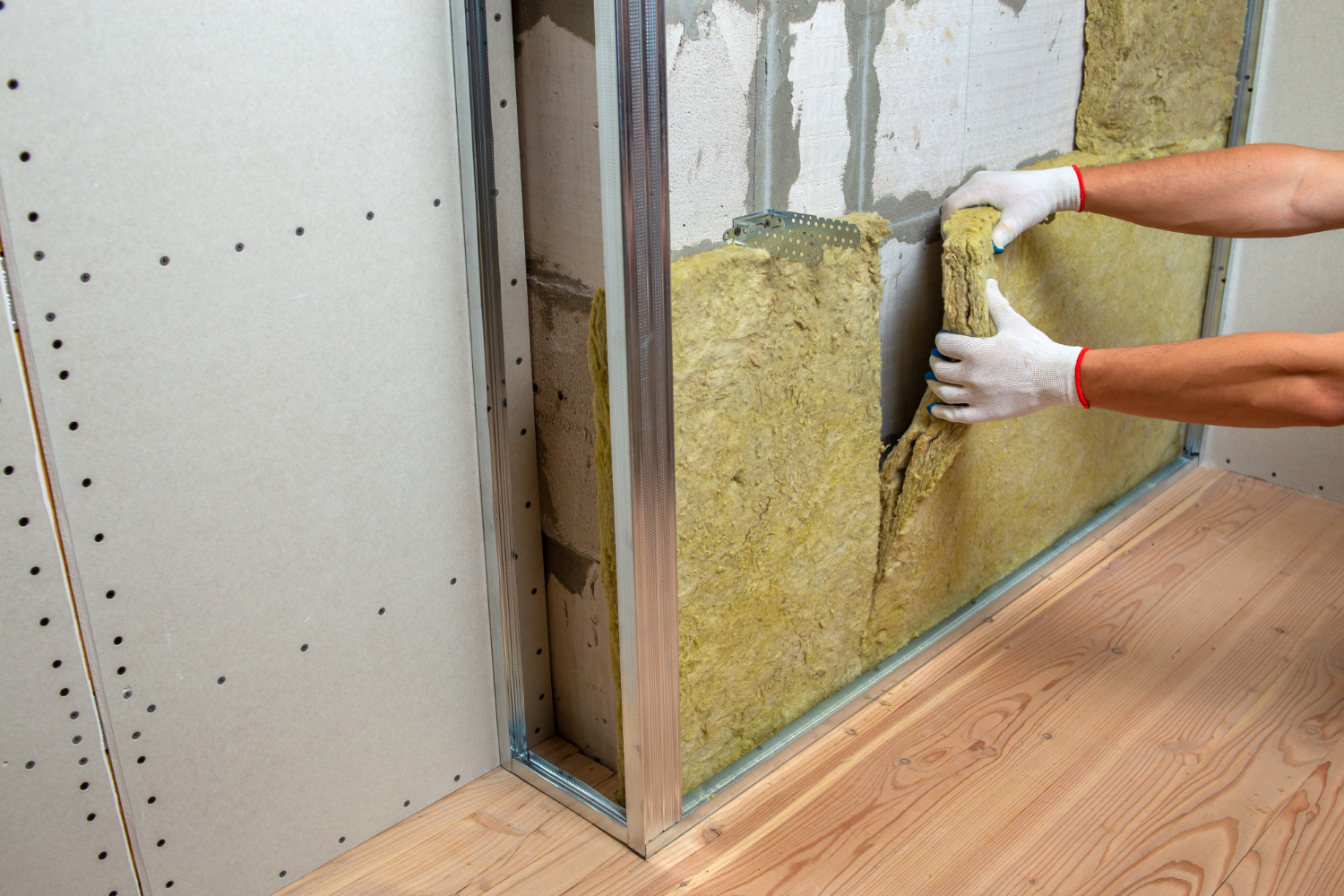
The first step in wall insulation replacement is taking out the existing material that no longer works properly. Your contractor will need to access the wall cavities, which usually means removing sections of drywall or working from the exterior. This allows them to pull out insulation that has become compressed, water-damaged, or contaminated with mold.
Old insulation often loses its ability to trap air effectively. Fiberglass batts can settle and leave gaps at the top of walls. Cellulose can absorb moisture and clump together. When you replace wall insulation, you're getting rid of these problem materials that waste energy and money.
The removal process also reveals hidden issues like air leaks, damaged vapor barriers, or structural problems. Your contractor can fix these problems before installing new insulation.
Installing modern, energy-efficient insulation materials
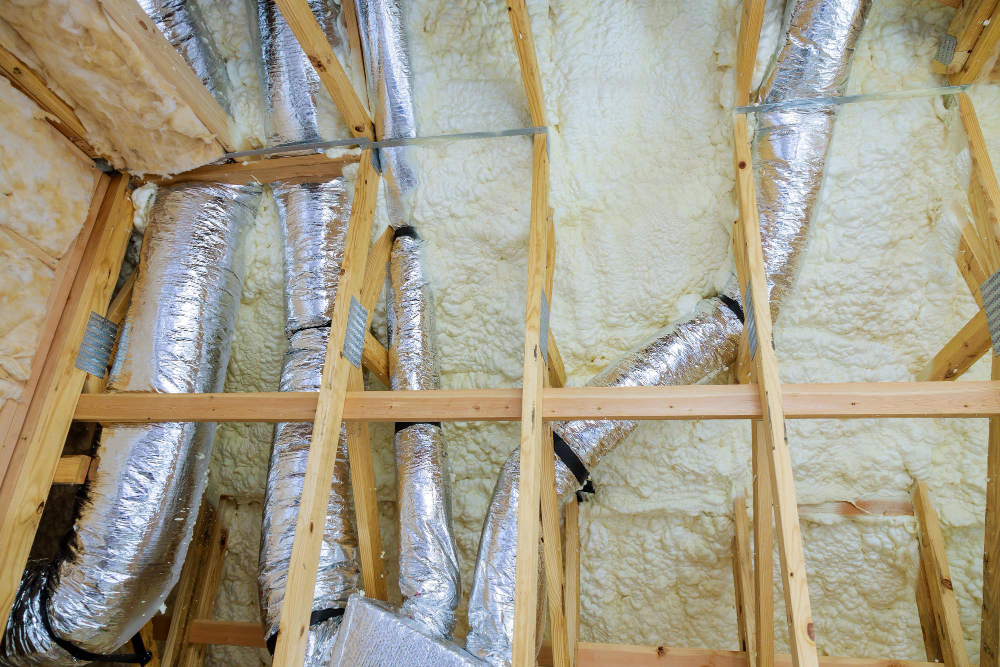
After removing the old material, your contractor installs energy-efficient wall insulation that meets current building codes. Modern options include spray foam, blown-in cellulose, fiberglass batts, and rigid foam boards. Each type offers different benefits depending on your wall structure and climate needs.
Common replacement insulation types:
- Spray foam - Expands to fill gaps and provides the highest R-value per inch
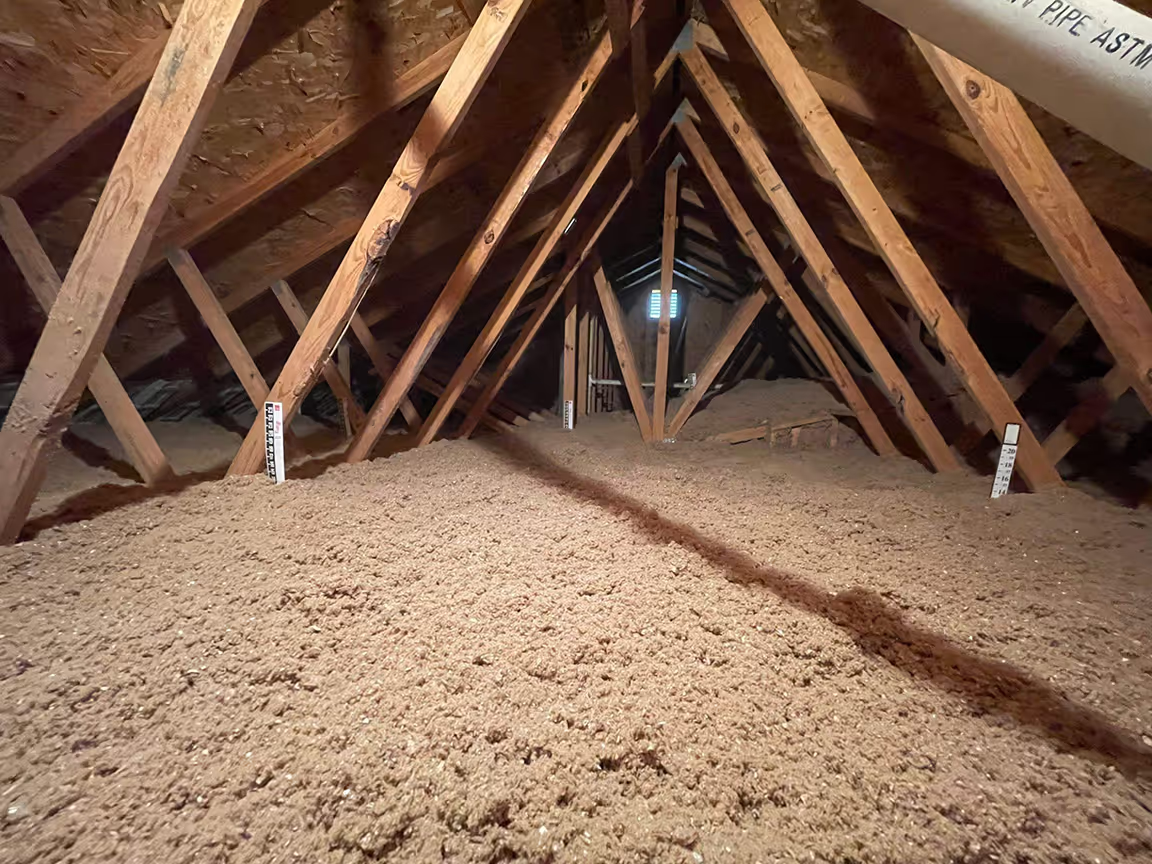
- Blown-in cellulose - Made from recycled paper, fills cavities completely without removing all drywall
- Fiberglass batts - Cost-effective and easy to install in standard wall cavities
- Rigid foam boards - Adds R-value to exterior walls and acts as a continuous barrier
The installer ensures proper coverage in every cavity. They pay special attention to areas around pipes, electrical boxes, and corners where gaps commonly occur. This complete fill prevents cold spots and air movement through your walls.
Enhancing thermal performance and reducing heat loss
New wall insulation significantly improves how well your walls resist heat flow. The R-value measures this resistance, and higher numbers mean better insulation. Most homes need R-13 to R-23 in wall cavities depending on climate zone.
Per the U.S. Department of Energy (DOE), minimum wall insulation requirements vary by climate zone—for example, Zone 1–2: R-13, Zone 3: R-20 (or R-13 plus R-5 continuous insulation), and Zones 4–8: R-20 plus R-5 continuous insulation (or R-13 plus R-10 continuous insulation)—so the right target R-value for wall insulation replacement should be set by your local zone and wall assembly.
When you replace wall insulation with modern materials, your heating and cooling systems work less to maintain comfortable temperatures. Heat stays inside during winter instead of escaping through your walls. During summer, outdoor heat doesn't penetrate as easily into your living spaces.
This improved thermal performance shows up directly on your utility bills. Many homeowners see energy cost reductions of 15-20% after replacement. The exact savings depend on how poor your old insulation was and what climate you live in.
According to ENERGY STAR (U.S. EPA), homeowners can save an average of 15% on heating and cooling costs (about 11% on total energy costs) by combining air sealing with insulation improvements in key areas, which is why a wall insulation upgrade is often paired with air-leak sealing for the best results.
Sealing air leaks and improving home comfort
Wall insulation replacement gives you the chance to seal air leaks that let conditioned air escape. These leaks often exist around window frames, electrical outlets, plumbing penetrations, and where walls meet floors or ceilings. Your contractor uses caulk, spray foam, or weatherstripping to close these gaps.
Proper air sealing combined with new insulation eliminates drafts and cold spots. Your rooms maintain more consistent temperatures from floor to ceiling. You won't feel cold air near exterior walls or notice temperature differences between rooms.
Better comfort means your thermostat setting actually matches how your home feels. You don't need to turn the heat higher or air conditioning lower to compensate for poor insulation.
Protecting walls from moisture and mold damage
Quality wall insulation replacement includes moisture management strategies that protect your home's structure. Your contractor installs proper vapor barriers on the warm side of walls to prevent humid indoor air from reaching cold surfaces where condensation forms.
Modern insulation materials resist moisture better than older options. Closed-cell spray foam doesn't absorb water. Treated cellulose contains fire retardants and mold inhibitors. These features prevent the dampness that leads to mold growth, wood rot, and structural damage.
The replacement process also addresses existing moisture problems. Your contractor identifies and fixes water intrusion sources before installing new insulation. This might include repairing roof leaks, improving drainage, or adding ventilation. Dry walls with proper insulation last longer and maintain healthier indoor air quality.
Signs your wall insulation needs replacement
Wall insulation doesn't last forever, and knowing when it's failing helps you avoid wasted energy and uncomfortable living conditions. Rising utility costs, temperature problems, and visible damage all point to insulation that needs attention.
Uneven temperatures or cold spots in rooms
You might notice certain rooms feel significantly colder or warmer than others, even when your thermostat is set consistently. These temperature differences mean your wall insulation isn't doing its job anymore.
Cold spots often appear near exterior walls or in corners where insulation has settled or degraded. When you touch your interior walls during winter, they shouldn't feel cold to the touch. If they do, the insulation behind them has likely lost its ability to create a thermal barrier.
Rooms above garages or on upper floors commonly show these problems first. The temperature imbalances force your HVAC system to work harder in some areas while other spaces remain uncomfortable. This uneven heating or cooling is one of the clearest signs that your wall insulation needs replacement.
High energy bills despite regular HVAC use
Your energy bills provide concrete evidence of insulation failure. When your heating and cooling costs spike without changes to your usage patterns, failing wall insulation is often the culprit.
Old or damaged insulation allows conditioned air to escape through your walls. Your HVAC system runs longer cycles to maintain the temperature you've set, consuming more electricity or gas in the process. You might notice your furnace or air conditioner rarely shuts off, even in mild weather.
Compare your current bills to previous years during the same seasons. A 15-20% increase without explanation suggests your insulation has degraded. Your system works constantly but can't keep your home comfortable, which means the thermal envelope has weakened significantly.
Drafts around walls, outlets, or windows
Drafts reveal gaps in your insulation where outside air enters your living space. You can feel these air currents most noticeably around electrical outlets, light switches, and window frames.
Hold your hand near outlets on exterior walls to check for moving air. If you feel a breeze, the insulation behind that wall has settled, compressed, or was never installed properly. Window and door trim also commonly shows drafts when wall insulation fails.
These air leaks make rooms feel uncomfortable and allow moisture to enter wall cavities. Use a lit incense stick near suspected areas and watch for smoke movement to identify problem spots. Drafts indicate your home insulation repair should become a priority before energy waste increases further.
Evidence of mold or moisture damage
Mold growth or water stains on your walls signal serious insulation problems that need immediate attention. Moisture trapped in wall cavities creates perfect conditions for mold, which damages both your insulation and your health.
Look for discolored patches, peeling paint, or musty odors that indicate hidden moisture. Insulation that gets wet loses its insulating properties and becomes a breeding ground for mold and mildew. Fiberglass insulation is particularly vulnerable because it absorbs and holds water.
Check your walls after heavy rain or during humid summer months. If you spot any signs of moisture damage, you need professional assessment of both the insulation and the source of water intrusion. Leaving wet insulation in place creates structural problems and indoor air quality issues.
Aging insulation materials no longer effective
Insulation materials break down over time based on their type and installation date. Fiberglass typically lasts 15-20 years, while cellulose may need replacement after 20-30 years.
If your home is more than 20 years old and has never had insulation updates, the materials have likely settled or compressed. Older insulation also meets outdated efficiency standards that don't match current building codes. Homes built before the 1980s often have minimal wall insulation that no longer provides adequate protection.
You can check insulation age by looking at installation records or inspecting accessible areas like attics where wall tops are visible. Materials that look compressed, discolored, or crumbly have reached the end of their useful life and need replacement.
Benefits of replacing wall insulation
Replacing old or inadequate wall insulation transforms your home's performance in several measurable ways. New insulation materials reduce energy waste, stabilize indoor temperatures, protect against moisture damage, decrease strain on heating and cooling equipment, and boost property value.
Improved energy efficiency and lower utility costs
A wall insulation upgrade directly cuts your monthly energy bills by stopping heat transfer through exterior walls. Old insulation loses its thermal resistance over time, forcing your heating and cooling systems to work harder. When you install new insulation, it creates a proper thermal barrier that keeps conditioned air inside your home.
You can expect energy bill reductions of 15-20% after replacing failing wall insulation. The exact savings depend on your climate, home size, and current insulation condition. Homes in extreme temperature zones see the most dramatic cost reductions.
Modern insulation materials like spray foam and blown-in cellulose fill gaps that older fiberglass batts miss. These materials prevent air leaks that account for up to 30% of heating and cooling costs. Your HVAC system runs less frequently when walls are properly insulated, which translates to lower electricity and gas consumption.
Enhanced indoor comfort year-round
New wall insulation eliminates the temperature differences you feel between rooms. Cold spots near exterior walls disappear when insulation maintains consistent thermal protection. Your living spaces stay warmer in winter and cooler in summer without constant thermostat adjustments.
Drafts that make rooms uncomfortable become a thing of the past with proper wall insulation. You won't need to avoid certain areas of your home during temperature extremes. Each room maintains a stable temperature that matches your thermostat setting.
Fresh insulation also reduces noise transmission from outside. Traffic sounds, neighborhood activity, and weather noise decrease noticeably when walls have adequate insulation. This acoustic benefit improves your quality of life alongside the temperature control advantages.
Reduced risk of mold, mildew, and moisture problems
Failing insulation allows condensation to form inside wall cavities when warm and cold air meet. This moisture creates ideal conditions for mold and mildew growth that damages wall structures and poses health risks. New insulation with proper vapor barriers prevents this moisture accumulation.
According to the U.S. EPA, moisture control includes raising the temperature of cold surfaces where condensation forms, and one recommended method is to use insulation (and, in some cases, storm windows) to reduce condensation risk that can contribute to mold and wall damage.
Modern insulation materials resist moisture better than older products. Materials like closed-cell spray foam actively block water intrusion while maintaining their insulating properties. You protect your wall framing, drywall, and sheathing from rot and decay.
Proper insulation also stops ice dams on roofs by preventing heat from escaping through walls into attic spaces. This protection extends to your entire building envelope when you replace deteriorated wall insulation.
Extended lifespan of HVAC systems
Your heating and cooling equipment lasts longer when it doesn't struggle against heat loss through poorly insulated walls. HVAC systems cycle on and off less frequently with proper insulation, which reduces mechanical wear. This decreased workload can add 3-5 years to your system's operational life.
Furnaces and air conditioners run at optimal efficiency when wall insulation minimizes temperature swings. The equipment reaches set temperatures faster and maintains them with shorter run times. You avoid the expense of premature replacements and major repairs caused by overworked components.
Lower operating strain means fewer service calls and maintenance issues. Your HVAC system experiences less stress during peak heating and cooling seasons when new wall insulation performs as designed.
Increased home value and long-term durability
Updated wall insulation makes your property more attractive to buyers who prioritize energy efficiency. Real estate appraisers recognize proper insulation as a valuable feature that justifies higher home valuations. You recover a significant portion of your insulation investment when selling your home.
Modern building efficiency standards favor homes with current insulation materials. Your property meets or exceeds energy codes that matter during inspections and appraisals. This compliance protects your investment and makes your home competitive in the market.
New insulation preserves your wall structures by preventing the deterioration that comes from temperature extremes and moisture damage. Your entire building envelope stays in better condition over decades when proper insulation protects it from environmental stress.
Types of wall insulation replacement options
When replacing wall insulation, you have several material options that work for different situations and budgets. Each type offers specific benefits for thermal performance, moisture control, and installation methods.
Fiberglass batt insulation for cost-effective replacement
Fiberglass batts are pre-cut sections of insulation that fit between wall studs. They cost less than most other options, making them popular for budget-conscious projects.
You can install fiberglass batts yourself if you have access to open wall cavities. The material comes in standard widths to match common stud spacing of 16 or 24 inches. Batts typically provide R-values between R-11 and R-15 for standard 2x4 walls and R-19 to R-21 for 2x6 walls.
Key advantages include:
- Low material cost
- Easy to handle and cut
- Available at most home improvement stores
- Non-flammable material
However, fiberglass batts require proper installation to work effectively. Gaps around the batts reduce their thermal performance significantly. You must wear protective equipment when handling fiberglass because the tiny glass fibers irritate skin and lungs.
Spray foam insulation for superior air sealing and moisture control
Spray foam expands to fill gaps and creates an air-tight seal in wall cavities. It comes in two types: open-cell and closed-cell foam.
Open-cell foam costs less and provides an R-value of about 3.5 per inch. Closed-cell foam offers a higher R-value of 6 to 7 per inch and adds structural strength to walls. Closed-cell foam also acts as a moisture barrier, which helps prevent water damage.
Professional installation is necessary for spray foam because the application requires specialized equipment and expertise. The foam must be applied at specific temperatures and mixed at exact ratios to cure properly.
Benefits of spray foam:
- Fills irregular spaces completely
- Prevents air leakage
- Reduces sound transmission
- Lasts for decades without settling
The higher upfront cost of spray foam often pays back through energy savings over time. Closed-cell foam works particularly well in basements and exterior walls where moisture control matters most.
Blown-in cellulose insulation for retrofit applications
Blown-in cellulose works well when you cannot easily access wall cavities. Installers drill small holes in walls and blow the insulation material into the spaces between studs.
Cellulose is made from recycled paper products treated with fire retardants. It settles into odd-shaped spaces and around obstacles like wires and pipes. The material provides an R-value of about 3.5 to 3.8 per inch.
This method suits existing walls because you do not need to remove drywall or siding completely. Small access holes can be patched and painted after installation. The process creates some dust, but professional installers use equipment that minimizes mess.
Cellulose resists mold growth due to its chemical treatment. It also helps reduce air movement within walls, though not as effectively as spray foam.
Rigid foam insulation for high-performance thermal protection
Rigid foam boards provide excellent thermal resistance in a thin profile. These panels are typically installed on the exterior of walls before adding siding.
Three main types exist: expanded polystyrene (EPS), extruded polystyrene (XPS), and polyisocyanurate (polyiso). Polyiso offers the highest R-value at 6 to 8 per inch. XPS provides about 5 per inch, and EPS gives roughly 4 per inch.
You can cut rigid foam with standard tools and attach it with adhesive or mechanical fasteners. The boards create a continuous insulation layer that reduces thermal bridging through wall studs. This continuous coverage improves overall wall performance compared to cavity-only insulation.
Rigid foam also serves as a weather barrier when joints are properly sealed. Some products come with reflective facings that add to their insulating properties.
Combination solutions for mixed-wall construction
Many replacement projects benefit from using multiple insulation types together. You might install rigid foam on the exterior while adding spray foam or batts in the cavities.
This layered approach addresses different performance needs. Exterior rigid foam prevents thermal bridging while cavity insulation fills the stud spaces. The combination achieves higher total R-values than either method alone.
Interior basement walls often use rigid foam against concrete with a second layer of framing and cavity insulation. This setup manages moisture while providing good thermal protection. The foam prevents condensation on cold concrete surfaces.
You can also combine blown-in cellulose with foam board in retrofit situations. The cellulose fills the cavity while foam boards add insulation value on accessible surfaces.
How Terra Insulation ensures quality wall insulation replacement
Terra Insulation delivers professional wall insulation replacement through certified contractors, personalized home evaluations, and proven installation methods that maintain thermal performance for years.
Licensed and experienced insulation contractors
Terra Insulation employs certified professionals who hold proper licensing and insurance for residential insulation service. Each contractor completes ongoing training in current building codes and insulation techniques.
The team understands how different wall types require specific approaches. They know when to use rigid foam boards versus fiberglass batts based on your home's construction and climate needs.
Experience matters when identifying hidden moisture damage or structural issues during replacement. Licensed contractors spot problems early and address them before installing new insulation. This prevents future failures that could cost you thousands in repairs.
Customized assessment for each home
Your home receives a detailed inspection before any work begins. The assessment examines existing insulation condition, wall cavity depths, moisture levels, and air leakage points.
Terra Insulation measures your current R-values and identifies thermal bridges through studs and structural elements. They check for temperature inconsistencies and rising energy bills that signal insulation failure.
The team creates a tailored plan based on your specific needs. They recommend materials that match your wall type, whether you need cavity fill replacement or exterior insulation during re-siding. You get solutions designed for your home's age, construction method, and energy goals.
Advanced tools and professional installation techniques
Terra Insulation uses specialized equipment to ensure proper material placement and density. Their tools allow precise cutting and fitting around electrical boxes, pipes, and other obstacles.
The installation process includes thorough air sealing before insulation goes in. All gaps and cracks get sealed to prevent heat loss in winter and heat gain in summer. This attention to detail maximizes your insulation's effectiveness.
Professional techniques ensure complete coverage without compression or gaps. The team maintains proper ventilation paths and installs vapor barriers when needed. They insulate exposed pipes and ducts to protect your entire wall system.
Quality control checks happen at multiple stages. Contractors verify R-values meet or exceed building code requirements for your area.
Reliable, local service with guaranteed results
Terra Insulation provides service from local teams who understand regional climate demands and building practices. You work with contractors familiar with your area's specific insulation needs.
The company backs their work with written guarantees covering materials and installation quality. You receive clear timelines and transparent pricing before work starts.
Communication stays consistent throughout your project. The team answers questions promptly and addresses concerns immediately. They protect your property during installation and leave job sites clean.
Local service means faster response times if you need follow-up support. Your investment stays protected through accessible customer service and warranty fulfillment.
Long-lasting insulation performance and peace of mind
Quality installation extends your insulation's lifespan well beyond the typical 15-20 year replacement cycle. Proper moisture control and air sealing prevent premature deterioration.
You gain immediate energy savings through reduced heating and cooling costs. Your home maintains consistent temperatures in all rooms and seasons.
Terra Insulation's methods minimize future maintenance needs. The materials resist settling, moisture damage, and thermal performance loss. You avoid the warning signs that signal insulation failure: high energy bills, uncomfortable rooms, and visible wear.
Your home becomes more energy efficient and comfortable for decades. Professional installation eliminates guesswork and ensures every dollar invested delivers returns through lower utility costs and improved living conditions.
Conclusion
Wall insulation replacement is a practical investment that addresses real problems in your home. You can expect lower energy bills when your insulation performs at the proper level. Most insulation materials last 15-20 years before they need attention.
The signs that point to replacement are clear. Rising utility costs often mean your insulation has lost its effectiveness. Cold spots, drafts, and uneven temperatures throughout your home indicate similar problems. Visible damage from moisture or pests requires immediate action.
Your choice of insulation material matters. Fiberglass, spray foam, and cellulose each offer different advantages. The right option depends on your budget, climate, and home structure.
Professional installation ensures you get maximum performance from your new insulation. Experts have the tools and training to handle removal and installation safely. They can also identify problems you might miss during a basic inspection.
An energy audit helps you understand what your home needs. This assessment shows where heat escapes and which areas need work first. You make better decisions when you have complete information about your home's current state.
The upfront cost pays back through monthly savings and increased comfort. You protect your investment in your property while reducing your environmental impact.
Schedule a residential insulation service with Terra Insulation to evaluate your walls and provide an estimate to replace wall insulation with an energy-efficient wall insulation upgrade that addresses drafts, moisture risk, and heat loss.