
Hiring a local insulation contractor gives you access to someone who understands your area's specific climate needs and building codes while providing personalized service that national chains often cannot match. Local contractors also tend to respond faster to your calls and can visit your property quickly for estimates and installations.
Local insulation contractors are professionals who specialize in installing and upgrading insulation in homes within your community. They work on different areas of your house, from attics and walls to crawl spaces and floors. These experts help make your home more energy-efficient and comfortable throughout the year.
Finding the right insulation contractor involves understanding what services they offer and how they can solve your specific home comfort problems. This guide will walk you through what these professionals do, the benefits of working with local experts, and how to select the best contractor for your insulation project.
Let's break down to the key points you should know:
- Local insulation contractors for reliable home insulation solutions
- What local insulation contractors do
- Benefits of hiring local insulation contractors
- Residential insulation services offered by local contractors
- Types of insulation installed by local insulation contractors
- Signs you need to hire a local insulation contractor
- How to choose the right local insulation contractor
- Why homeowners trust Terra Insulation
Let's dive in!
Local insulation contractors for reliable home insulation solutions
Finding qualified insulation contractors near you starts with understanding what services they offer. Local professionals can install insulation in your attic, walls, floors, crawl spaces, and ceilings. These contractors help improve your home's energy efficiency and comfort levels throughout the year.
Working with local insulation experts gives you access to personalized service. They understand your area's climate conditions and building codes. Most contractors offer free estimates so you can compare options before making a decision.
Common insulation services include:
- Spray foam insulation installation
- Blown-in insulation for attics and walls
- Cellulose insulation application
- Air sealing and duct sealing
- Energy efficiency assessments
Local contractors often combine the personal attention of a small business with access to quality materials. Many are supported by nationwide distribution systems, which means they can get supplies quickly for your project.
According to ENERGY STAR (U.S. EPA), homeowners can save an average of about 15% on heating and cooling costs (about 11% on total energy costs) by air sealing and adding insulation in key areas like attics, floors over crawl spaces, and basements—so your contractor selection should include proven air-sealing capability, not just insulation installation.
You should verify that contractors are licensed and insured before hiring them. Check online reviews and ask for references from recent customers. Compare at least three quotes to ensure you're getting fair pricing.
Key factors to evaluate:
- Years of experience in your area
- Types of insulation materials they work with
- Warranty coverage on labor and materials
- Availability for your project timeline
Many local insulation contractors can also help you identify available rebates and incentives. Your utility company or local government may offer programs that reduce your installation costs. A professional installer can guide you through the application process for these savings opportunities.
What local insulation contractors do
Local insulation contractors assess your home's current insulation needs, install new materials, and seal air leaks to improve energy efficiency. These professionals work on attics, walls, crawl spaces, and other areas where proper insulation makes a difference in comfort and utility costs.
Home insulation assessment and recommendations
A contractor begins by inspecting your home to identify problem areas. They check your attic, walls, basement, and crawl spaces for inadequate insulation or gaps that let air escape. Using thermal imaging cameras and other tools, they measure heat loss and find spots where cold or hot air enters your home.
After the inspection, you receive a detailed report. The contractor explains which areas need attention and recommends specific insulation types for each space. They consider your home's age, construction type, and your budget when making suggestions.
Per the U.S. Department of Energy (DOE), the amount of insulation (R-value) you need depends on your climate and the part of the house you plan to insulate, which is why local insulation contractors should document target R-values by area (attic, walls, crawl space) instead of relying on one-size-fits-all recommendations.
You also get an estimate of potential energy savings. The contractor calculates how much you might save on heating and cooling bills after improving your insulation. They help you understand which upgrades offer the best return on investment.
Insulation installation and replacement services
Professional insulation services include installing several types of materials. Contractors work with spray foam, blown-in cellulose or fiberglass, and batt insulation depending on your needs. Each type works best in different situations and spaces.
For attics, contractors typically use blown-in insulation to cover large areas quickly. They fill wall cavities with spray foam or dense-packed cellulose. Crawl spaces often get spray foam or rigid foam boards along the walls and floor joists.
Contractors remove old, damaged insulation before installing new material. They dispose of contaminated or compressed insulation that no longer performs well. The installation process includes proper ventilation setup to prevent moisture problems. Workers wear protective equipment and follow safety standards during all installations.
Air sealing and energy efficiency improvements
Air sealing stops drafts that waste energy even when you have adequate insulation. Contractors seal gaps around windows, doors, electrical outlets, and plumbing penetrations. They use caulk, weatherstripping, and spray foam to block air movement through these openings.
Common air leak locations include:
- Attic hatches and pull-down stairs
- Recessed light fixtures
- Duct connections and joints
- Foundation sills and rim joists
Contractors also check your ductwork for leaks. They seal ducts with mastic or metal tape to keep conditioned air flowing where it should. This work complements insulation by creating a complete thermal barrier. You get lower energy bills and more consistent temperatures throughout your home when both insulation and air sealing work together.
Benefits of hiring local insulation contractors
Local insulation contractors bring specific advantages that directly impact your home's performance and your overall experience. Their familiarity with regional conditions, quick response times, and ability to deliver lasting results make them valuable partners for your insulation needs.
Knowledge of local climate and building codes
Local contractors understand your area's weather patterns and temperature swings. They know which insulation materials perform best in your specific climate and can recommend the right R-values for your region.
Home insulation experts in your community stay current with local building codes and permit requirements. They handle the paperwork and ensure your project meets all regulations without delays. This knowledge prevents costly mistakes and failed inspections.
These professionals also understand regional challenges like humidity levels, seasonal temperature changes, and common issues homes face in your area. They can spot problems that contractors from other regions might miss.
Faster service and on-site availability
Local contractors get to your property quickly for estimates, installations, and follow-up visits. You won't wait weeks for someone to drive from another city or state.
Key response time advantages:
- Same-day or next-day emergency visits
- Flexible scheduling around your needs
- Quick return visits if adjustments are needed
- Easy in-person consultations
When issues arise after installation, local contractors respond fast. They have a reputation to maintain in your community and prioritize keeping nearby customers satisfied. You can drive to their office if needed, and they can reach your home within hours for urgent concerns.
Long-term energy savings and comfort
Proper insulation installation by local professionals reduces your heating and cooling costs year-round. They ensure complete coverage without gaps that waste energy and money.
Local contractors use the right techniques for your home's specific construction type. They seal air leaks, install vapor barriers correctly, and prevent moisture problems that reduce insulation effectiveness. This attention to detail keeps your home comfortable in all seasons.
Your investment pays off through lower utility bills that add up over time. Professional installation also lasts longer than DIY attempts, protecting your home's value and maintaining consistent indoor temperatures throughout your living spaces.
Residential insulation services offered by local contractors
Local insulation contractors provide comprehensive services to improve your home's energy efficiency and comfort. These professionals handle everything from attic upgrades to basement sealing, using materials and techniques suited to your specific needs.
Attic insulation installation and upgrades
Your attic is one of the most important areas to insulate because heat rises and escapes through poorly insulated roofs. Residential insulation contractors offer several attic insulation options including blown-in fiberglass, cellulose, and spray foam.
Blown-in insulation works well for covering irregular spaces and filling gaps around joists and rafters. This method allows contractors to achieve proper R-values quickly and efficiently. Spray foam provides superior air sealing along with insulation, which stops air leaks that waste energy.
Many contractors also remove old, damaged insulation before installing new materials. They check for moisture problems, mold, and pest damage during this process. Proper ventilation is installed alongside new insulation to prevent future moisture buildup in your attic space.
Wall, crawl space, and basement insulation
Wall insulation requires different techniques depending on whether your walls are open during construction or already finished. Contractors drill small holes to blow insulation into existing wall cavities, then patch and paint the holes. For new construction or renovations, they install batt insulation or spray foam between studs before drywall goes up.
Crawl space insulation involves sealing vents and insulating foundation walls or floor joists above the crawl space. This creates a conditioned space that prevents cold floors and reduces moisture problems. Contractors often combine insulation with vapor barriers to control humidity.
Basement insulation typically focuses on foundation walls using rigid foam boards or spray foam. These materials resist moisture better than traditional fiberglass in below-grade applications. Insulating your basement walls makes the space more comfortable and reduces heating costs throughout your entire home.
Types of insulation installed by local insulation contractors
Local insulation installation contractors typically offer three main types of insulation products for residential and commercial properties. Each type has distinct characteristics that make it suitable for different areas of your home and various installation needs.
Spray foam insulation
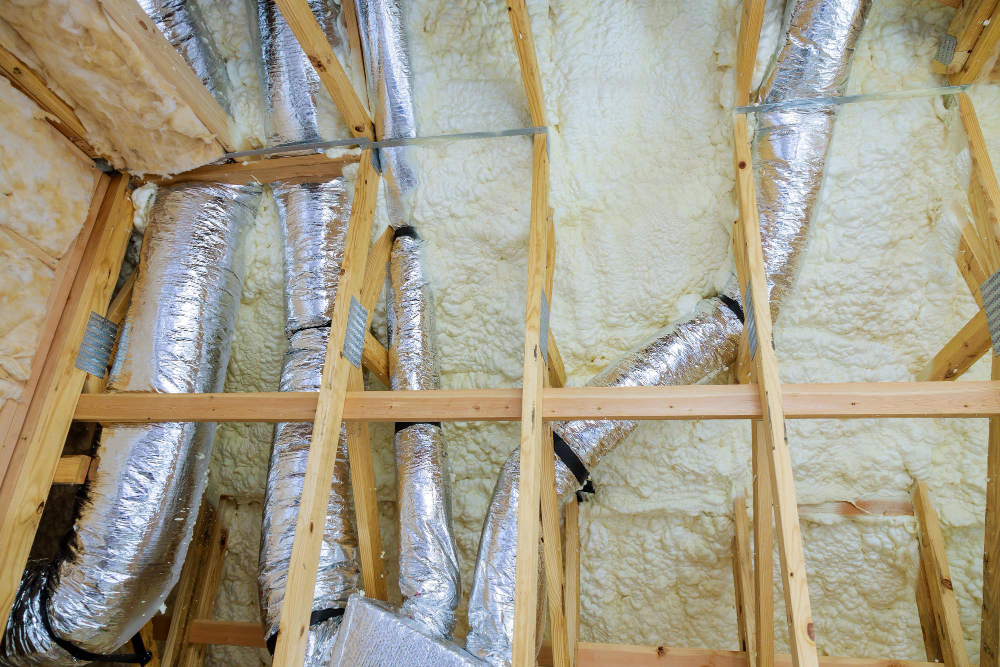
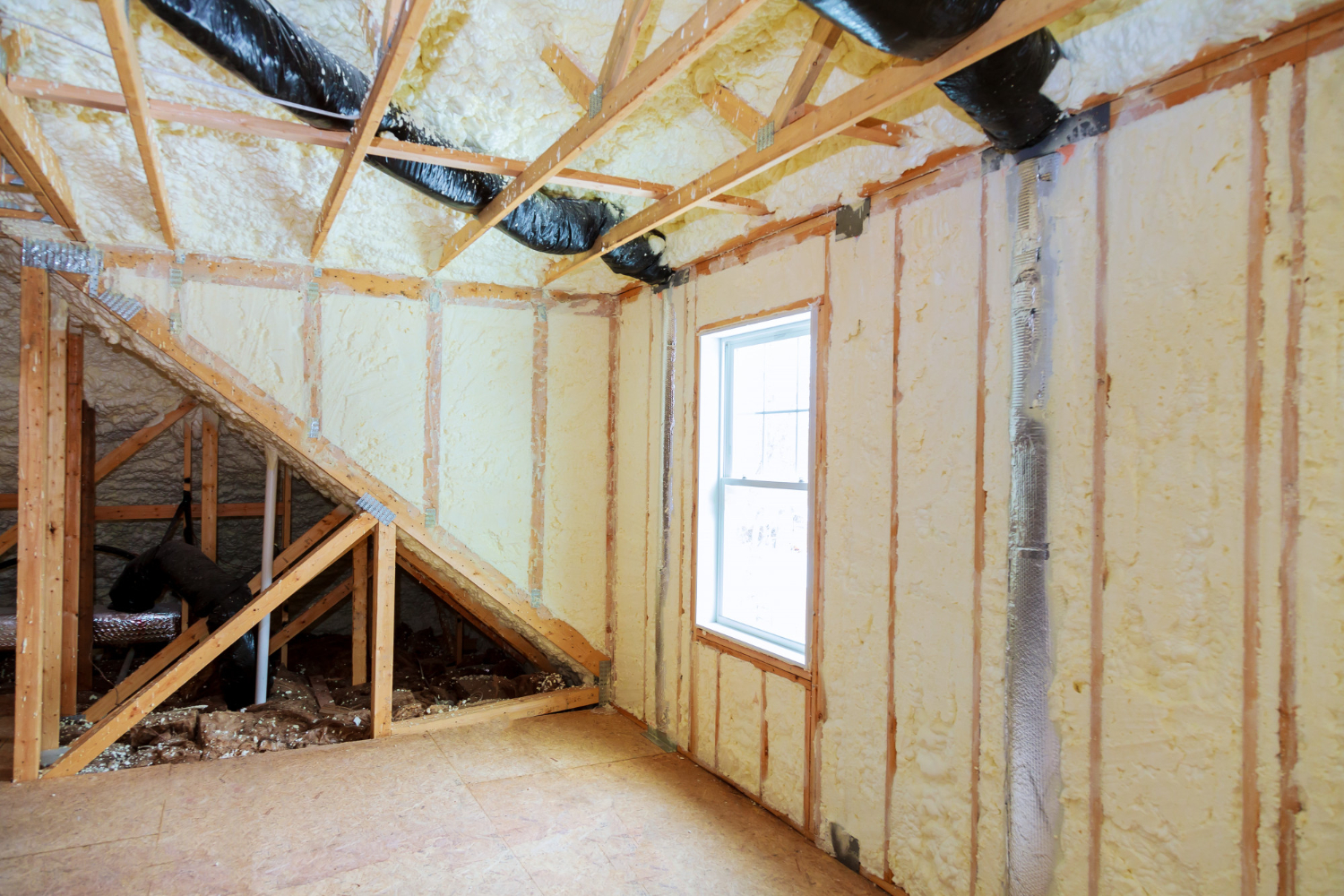
Spray foam consists of two chemical components that insulation installation contractors mix on-site to create an expanding foam material. The mixture is applied using specialized spray equipment directly into wall cavities, attics, and other spaces that need insulation.
Two main types of spray foam:
- Open cell foam - Less dense and costs less per square foot
- Closed cell foam - Denser with higher insulation value and moisture resistance
Contractors apply spray foam as a liquid that expands to fill gaps and cracks completely. This creates an air-tight seal that prevents drafts and air leakage. The foam hardens within minutes to hours depending on the formula used.
Spray foam works well in hard-to-reach areas where other insulation types cannot fit properly. It also adds some structural strength to walls and reduces noise transmission between rooms.
Blown-in insulation
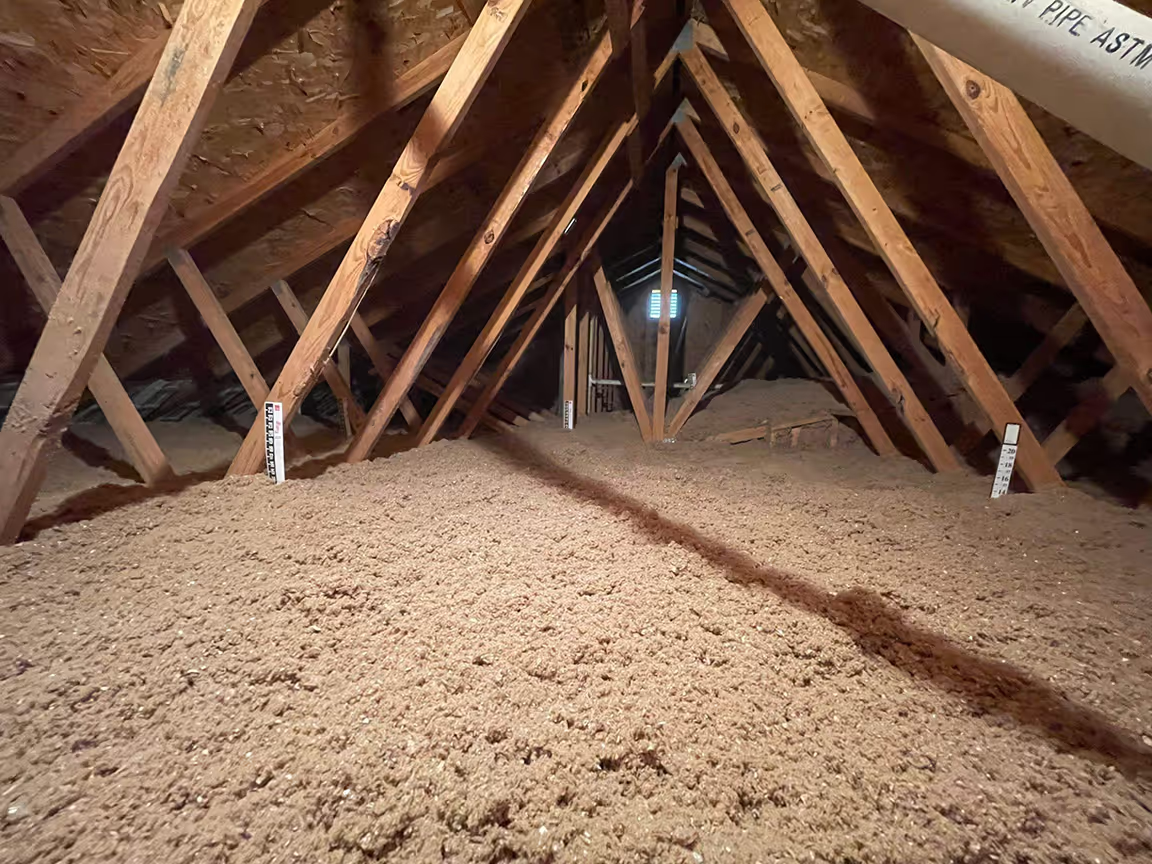
Blown-in insulation consists of loose fibers or particles that contractors install using a special blowing machine. The machine pushes the material through a large hose into attics, wall cavities, and other enclosed spaces.
Common blown-in materials include cellulose (made from recycled paper), fiberglass, and mineral wool. Cellulose contains fire-retardant chemicals for safety. The loose-fill nature allows the material to settle into irregular spaces and around obstructions like wiring and pipes.
This insulation type works especially well for attics and for adding insulation to existing walls without removing drywall. Contractors can adjust the density and thickness during installation to achieve the insulation level your home needs. The installation process is typically faster than other methods for covering large attic areas.
Fiberglass and batt insulation
Fiberglass batt insulation comes in pre-cut sections that fit between standard wall studs and ceiling joists. The batts are made from fine glass fibers formed into thick blankets. Most batts come in widths of 15 or 23 inches to match common framing dimensions.
Insulation installation contractors measure and cut batts to fit each space during installation. They place the batts between framing members and secure them in place. Some batts include a paper or foil vapor barrier facing on one side.
Key installation considerations:
- Batts must fit snugly without gaps between pieces
- Avoid compressing the material, which reduces its effectiveness
- Cut around electrical boxes and other obstacles carefully
This type costs less than spray foam and requires less specialized equipment to install. It works best in new construction or when wall cavities are exposed during renovation projects.
Signs you need to hire a local insulation contractor
Your home sends clear signals when insulation fails to do its job. Rising energy costs, uncomfortable temperature differences between rooms, and visible moisture problems all point to insulation that needs professional attention.
Uneven indoor temperatures
When you notice some rooms feel much colder or hotter than others, your insulation likely has gaps or has deteriorated. Your bedroom might be freezing while your living room stays comfortable, or your upstairs feels like a sauna in summer while downstairs stays cool.
These temperature differences happen when insulation settles, gets damaged by pests, or was never installed properly in certain areas. Walls that feel cold to the touch in winter or hot in summer indicate missing or inadequate insulation behind them.
You shouldn't need to layer up with blankets in one room and strip down in another. Proper insulation creates consistent temperatures throughout your entire home.
High energy bills
Your heating and cooling systems work overtime when insulation fails. If your energy bills have jumped without you changing how you use your HVAC system, poor insulation is a likely cause.
Compare your current bills to the same months from previous years. A sudden increase of 15-20% or more often means your insulation can't keep conditioned air inside your home. Your furnace runs constantly in winter or your air conditioner never shuts off in summer because treated air escapes through poorly insulated walls, attics, and crawl spaces.
This wastes money every single month. A professional insulation contractor can identify where you're losing energy and fix the problem.
Drafts, condensation, or moisture issues
Cold drafts near windows, doors, or along walls signal air leaks that insulation should prevent. You might feel these drafts most on windy days or notice curtains moving when windows are closed.
Water stains on ceilings or walls, condensation forming on windows, or frost in your attic all indicate moisture problems linked to insulation failure. Wet insulation loses its ability to regulate temperature and creates conditions for mold growth.
According to the U.S. EPA, if possible, keep indoor humidity below 60% and ideally between 30% and 50% relative humidity to help reduce conditions that support mold growth—so insulation installation contractors should address moisture entry points (air leaks, crawl space humidity, attic ventilation) as part of the insulation plan.
Ice dams forming on your roof during winter show heat escaping through inadequate attic insulation. These problems require immediate attention from an insulation professional to prevent structural damage to your home.
How to choose the right local insulation contractor
Finding a qualified contractor requires checking their credentials, understanding their pricing structure, and confirming they use proper installation techniques with quality materials.
Licensing, certifications, and experience
Your contractor must hold a valid license in your state. This proves they meet local building codes and legal requirements. Ask to see their license number and verify it with your state's licensing board.
Insurance coverage protects you from liability if accidents happen during the project. Request proof of both general liability insurance and workers' compensation insurance. A contractor without proper insurance puts your property and finances at risk.
Experience matters when it comes to insulation work. Look for contractors with at least three to five years in the business. They should have specific experience with the type of insulation you need, whether that's spray foam, fiberglass, or cellulose.
Check if they hold certifications from industry organizations or manufacturers. These certifications show the contractor received proper training and stays current with installation standards.
Transparent pricing and detailed estimates
A trustworthy contractor provides written estimates that break down all costs. The estimate should list material costs, labor charges, preparation work, and any additional fees separately. This prevents surprise charges later.
Get estimates from three different contractors to compare pricing. Watch out for quotes that seem unusually low, as they might indicate poor quality materials or shortcuts in installation.
The estimate should specify the type and amount of insulation materials, the R-value you'll achieve, and the timeline for completion. Ask about payment terms and whether they require deposits upfront.
Request references from recent projects similar to yours. Contact these past clients to ask about the final cost compared to the original estimate and whether the work stayed on budget.
Quality materials and proper installation methods
The contractor should explain which insulation materials they recommend and why those materials suit your specific needs. Different materials work better in different areas of your home. For example, spray foam works well in tight spaces while fiberglass batts fit standard wall cavities.
Ask about the R-value of the materials they plan to use. Higher R-values provide better insulation performance. Your local climate determines the R-value you need.
A quality contractor follows manufacturer installation guidelines exactly. Improper installation reduces insulation effectiveness even when using premium materials. They should address air sealing, moisture barriers, and ventilation during installation.
Find out if they guarantee their work. Reputable contractors offer warranties on both materials and labor, typically ranging from one to five years.
Why homeowners trust Terra Insulation
Terra Insulation has built a strong reputation among homeowners through experienced professionals, proven energy savings, and reliable workmanship. These core strengths make them a trusted choice for insulation projects.
Experienced insulation professionals
Terra Insulation employs trained specialists who understand the unique challenges of different insulation projects. Your home requires professionals who can identify moisture issues, air leaks, and ventilation problems before they start work.
The team knows how to handle various insulation types for different areas of your home. Basements need different approaches than attics or walls. Each space has specific requirements for vapor barriers, R-values, and installation methods.
Their contractors perform thorough inspections to find gaps in your current insulation system. They check for areas where heat escapes or enters your home. This assessment helps them recommend the right solutions for your specific needs.
Energy-efficient insulation solutions
Your energy bills drop when insulation is installed correctly in the right places. Terra Insulation focuses on creating complete thermal barriers that prevent heat transfer through your walls, attic, and floors.
They use modern insulation materials that meet current energy efficiency standards. The right R-value for your climate zone makes a significant difference in heating and cooling costs. Michigan winters demand higher insulation levels than many other regions.
Proper air sealing works alongside insulation to maximize energy savings. The team addresses drafts and leaks that waste energy even when insulation is present. This combined approach delivers better results than insulation alone.
Commitment to quality workmanship
Terra Insulation follows local building codes and industry standards on every job. Your project meets all safety requirements and passes inspections without issues.
The crew cleans up all debris after completing your installation. You don't deal with leftover materials or messy work areas. They treat your home with respect throughout the entire process.
Key quality practices include:
- Transparent pricing with no hidden fees
- Complete cleanup after installation
- Code-compliant work on all projects
- Clear communication throughout the job
You know the final cost before work begins. The pricing stays consistent without surprise charges appearing during or after your project.
Conclusion
Working with local insulation contractors offers clear benefits for your home improvement project. These professionals understand your area's climate and building codes better than national companies. They can respond faster to your needs and provide personalized service.
Before you hire anyone, check their licensing and insurance. Read reviews from other homeowners in your neighborhood. Ask for references and look at their past work.
Your choice of contractor matters just as much as the insulation material itself. Poor installation can waste money and reduce energy savings. A qualified local professional will install insulation correctly the first time.
Take time to research your options carefully. A good insulation contractor will answer your questions clearly and provide detailed estimates. They should explain which materials work best for your home and why.
Your home's comfort and energy efficiency depend on quality installation. Local contractors often build their reputation on word-of-mouth referrals. This means they have strong motivation to do excellent work. Choose a contractor who communicates well and makes you feel confident about the project.
Schedule an on-site insulation assessment with Terra Insulation so a local insulation contractor can verify your attic, wall, and crawl space conditions, recommend the right materials and R-values, and provide a clear written estimate.