
Poor insulation quietly drains your wallet through wasted energy while making your living space less comfortable, but recognizing the warning signs can help you take action before costs add up. This problem affects more homes than you might think, and the effects go beyond just comfort and energy costs.
Your home should keep you comfortable year-round, but poor insulation can make rooms too hot in summer and too cold in winter. Many homeowners don't realize their insulation is causing problems until they notice high energy bills or uneven temperatures between rooms.
This guide will help you understand what causes insulation to fail, how to spot the warning signs in your home, and what you can do to fix it. You'll also learn about the risks of ignoring poor insulation and the benefits of making improvements.
Here’s what you’ll find below:
- Poor home insulation: improve comfort and reduce energy loss
- What causes poor home insulation?
- Signs your home has poor insulation
- Risks of ignoring poor insulation
- How to fix poor home insulation
- Benefits of improving home insulation
- Why choose Terra Insulation for insulation solutions
Keep reading to know how to identify poor home insulation, stop energy loss, and improve indoor comfort with practical fixes and professional options.
Poor home insulation: improve comfort and reduce energy loss
Poor insulation creates ongoing problems that affect both your wallet and your daily comfort. When your home lacks proper insulation, heated air escapes during winter while hot air enters during summer.
Common signs of inadequate insulation include:
- High heating and cooling bills
- Uneven temperatures between rooms
- Cold walls, floors, or ceilings in winter
- Drafts near windows and doors
- Ice dams forming on your roof
Energy loss home issues happen because insulation provides resistance to heat flow.
According to the U.S. Department of Energy (DOE), reducing unwanted air leakage and adding insulation in key areas like attics, floors, crawl spaces, and accessible basement rim joists can save up to about 20% on heating and cooling costs (and up to about 10% on total household energy use).
You can improve your home's insulation through several practical steps. Start by sealing air leaks around windows, doors, and electrical outlets. Add insulation to your attic, which is where most heat escapes.
Priority areas to address:
Location
Impact
Attic
Prevents major heat loss through the roof
Walls
Maintains consistent indoor temperatures
Basement
Stops cold air from entering living spaces
Windows
Reduces drafts and air leakage
Upgrading to double-pane or triple-pane windows with low-E coatings reduces heat transfer significantly. These improvements work together to create a more efficient home.
Better insulation means your heating and cooling systems run less frequently. This reduces wear on your equipment while lowering your monthly utility costs. Your home will feel more comfortable year-round with fewer cold spots and drafts.
What causes poor home insulation?
Several factors can compromise your home's insulation over time, from natural aging to installation errors. Understanding these causes helps you identify and fix problems before they lead to higher energy bills and reduced comfort.
Aging or degraded insulation materials
Insulation doesn't last forever. Most types break down after 15 to 30 years of use.
Fiberglass insulation can settle and compress over time. This reduces its thickness and R-value. The material may also become brittle or discolored from age.
Cellulose insulation settles significantly as it ages. It can lose up to 20% of its effectiveness in the first few years alone.
Foam insulation can crack or shrink away from framing members. This creates gaps that let air pass through freely.
Rodents and pests can damage any type of insulation. They tear it apart to build nests or use it as pathways through your walls and attic.
Insufficient insulation in attics, walls, or floors
Many homes were built with less insulation than current standards require. Building codes from decades ago recommended much lower R-values than we use today.
Your attic needs the most insulation in your home. If you can see the ceiling joists, you don't have enough. Most attics need R-38 to R-60 depending on your climate zone.
Per ENERGY STAR, the recommended insulation level for many attics is around R-38 (roughly 10–14 inches depending on insulation type), with higher attic R-values often cost-effective in colder climates.
Wall cavities in older homes often contain minimal insulation. Some houses have none at all in exterior walls.
Floors above unheated spaces like crawl spaces or garages need adequate insulation too. Missing or thin floor insulation makes rooms cold and uncomfortable.
Gaps, cracks, and air leaks in the building envelope
Air leaks waste more energy than most people realize. Small gaps around your home add up to leave an opening the size of an open window.
Common leak locations include:
- Around window and door frames
- Where pipes and wires enter through walls
- At electrical outlets on exterior walls
- Where the foundation meets the walls
- Around attic hatches and recessed lights
- At rim joists in basements
These gaps let conditioned air escape and outside air enter. Your heating and cooling system works harder to maintain comfortable temperatures.
Even homes with good insulation perform poorly when air leaks go unaddressed. The insulation can't do its job if air flows freely around it.
Improper installation of insulation
Poor installation reduces insulation performance significantly. Professional installation matters more than many homeowners think.
Compressed insulation loses its R-value. Stuffing too much insulation into a space or squashing it around pipes and wires creates problems. The material needs to maintain its full thickness to trap air properly.
Gaps between insulation batts allow heat transfer. Even small spaces let air flow through walls and ceilings. Each batt should fit snugly against the next one.
Unfaced insulation installed backward reduces effectiveness. The vapor barrier must face the warm side of your wall in most climates.
Insulation that doesn't fill the entire cavity leaves cold spots. These areas allow heat to escape and can cause condensation problems inside your walls.
Moisture damage reducing insulation effectiveness
Water destroys insulation's ability to resist heat flow. Wet insulation compresses and loses its structure.
Roof leaks commonly damage attic insulation. Even small leaks that go unnoticed can saturate large areas over time. The insulation becomes heavy, matted, and useless.
Condensation forms when warm, moist air meets cold surfaces. This happens inside walls and attics when vapor barriers fail or don't exist. The moisture soaks into the insulation gradually.
Flooding from plumbing leaks or weather events ruins insulation quickly. Fiberglass and cellulose don't recover after getting wet. You must remove and replace damaged material.
Mold and mildew grow on damp insulation. This creates health risks and further degrades the material's performance. Black stains, musty odors, and visible growth indicate moisture problems that need immediate attention.
Signs Your Home Has Poor Insulation
Poor insulation creates noticeable problems throughout your home, from uncomfortable temperature swings to unexpected costs. These warning signs often appear in multiple areas at once and tend to worsen during extreme weather.
Drafty rooms or uneven temperatures
You'll notice drafts most often near windows, doors, outlets, and baseboards. These air leaks happen when insulation gaps allow outside air to seep into your living spaces. Cold spots appear in winter while warm areas develop in summer, even when your HVAC system runs constantly.
Different rooms in your home may feel drastically different from each other. Your bedroom might be freezing while your living room stays comfortable. This temperature inconsistency means your insulation isn't creating a proper barrier between indoor and outdoor environments.
Your heating and cooling system struggles to maintain the temperature you set on your thermostat. The system runs longer cycles but never quite reaches the comfort level you want.
High energy bills despite normal usage
Your monthly energy costs climb higher even though you haven't changed your habits. Poor insulation forces your HVAC system to work harder and run longer to maintain comfortable temperatures. This extra runtime directly increases your electricity or gas bills.
Compare your current bills to previous years during the same season. A significant increase without explanation often points to insulation problems. Your system uses more energy because heat escapes in winter or enters in summer through inadequate insulation barriers.
The Department of Energy estimates that proper insulation can save homeowners up to 15% on heating and cooling costs. If your bills seem unreasonably high compared to similar homes in your area, your insulation likely isn't performing as it should.
Hot or cold spots in different areas of the home
Certain walls, floors, or ceilings feel noticeably warmer or cooler to the touch than others. These temperature differences indicate that insulation is missing, compressed, or damaged in those specific locations. Your attic floor might feel ice cold in winter or extremely hot in summer.
Touch the interior walls in different rooms during extreme weather. Walls with proper insulation stay close to room temperature, while poorly insulated walls feel much closer to the outside temperature. The same applies to floors above unheated spaces like garages or crawl spaces.
Corners and areas near the roofline often show the most dramatic temperature variations. These spots typically have complex framing that makes proper insulation installation challenging.
Frost on windows or condensation issues
Excess moisture appears on your windows, especially on the inside during cold weather. This condensation happens when warm, humid indoor air meets cold window surfaces. Poor insulation allows exterior cold to penetrate deeper into your home, creating these moisture problems.
According to the U.S. EPA, controlling moisture is the primary way to prevent indoor mold, and reducing condensation on cold surfaces can include improving insulation (or using storm windows) along with steps like ventilation and dehumidification.
You might see water droplets, fog, or even frost buildup on window panes. The moisture can damage window frames, sills, and surrounding drywall if left unaddressed. Mold and mildew growth often follows in these damp areas.
Your walls may also show signs of moisture damage like water stains, peeling paint, or soft drywall. These issues occur when poor insulation allows temperature differences that cause condensation inside wall cavities.
Ice dams forming on the roof during winter
Ice dams create thick ridges of ice along your roof's edge that prevent melting snow from draining properly. These form when heat escapes through your attic due to poor insulation, warming the roof surface. Snow melts and runs down to the cold eaves where it refreezes.
The trapped water backs up under your shingles and can leak into your home. You'll notice icicles hanging from gutters, water stains on exterior walls, or interior ceiling damage. Large ice dams can weigh hundreds of pounds and damage your gutters or roof structure.
Attics with adequate insulation maintain temperatures close to the outside air, preventing this uneven melting pattern. If ice dams appear regularly on your roof, your attic insulation needs immediate attention.
Risks of ignoring poor insulation
Poor insulation creates problems that extend beyond minor discomfort. When left unaddressed, these issues compound over time and affect your wallet, your home's structure, and your family's health.
Increased energy consumption and costs
Your heating and cooling systems work harder when insulation fails to do its job. Heat escapes through walls, attics, and floors during winter months. In summer, hot air seeps inside while cool air leaks out.
This constant energy loss shows up directly on your utility bills. Homes with inadequate insulation typically use 20-30% more energy than properly insulated homes. Your HVAC system runs longer cycles to maintain comfortable temperatures.
The financial impact adds up quickly. A poorly insulated home can cost you hundreds or even thousands of extra dollars each year in wasted energy. These expenses continue month after month until you address the underlying insulation problems.
Reduced comfort in extreme weather
Poor insulation creates uneven temperatures throughout your home. Some rooms feel noticeably colder or hotter than others. You might notice cold spots near exterior walls or drafty areas around windows and doors.
During winter, floors stay cold and rooms take longer to warm up. Summer heat makes upstairs bedrooms unbearable even with the air conditioning running. Your thermostat might read 72 degrees, but the actual comfort level tells a different story.
These temperature inconsistencies make it difficult to find a setting that works for everyone in your household. You end up adjusting the thermostat constantly without achieving real comfort.
Accelerated wear on HVAC systems
Your heating and cooling equipment wasn't designed to run constantly. Poor insulation forces these systems into extended operation cycles. The compressor, blower motor, and other components experience increased strain.
This extra workload shortens the lifespan of your HVAC equipment. A system that should last 15-20 years might need replacement after 10-12 years. Parts wear out faster and breakdowns happen more frequently.
Repair costs increase as components fail under the additional stress. You'll spend more on maintenance calls and part replacements. Eventually, you face the expense of premature system replacement.
Moisture problems and potential mold growth
Inadequate insulation allows moisture to accumulate inside walls, attics, and crawl spaces. Warm air carries water vapor that condenses when it hits cold surfaces. This moisture creates ideal conditions for mold and mildew.
Mold growth poses serious health risks. Exposure can trigger allergies, asthma attacks, and respiratory problems. Some mold types produce toxic compounds that affect your family's wellbeing.
Water damage from trapped moisture also deteriorates building materials. Wood rots, drywall crumbles, and structural elements weaken. The damage spreads if moisture issues continue unchecked.
Decreased property value
Home buyers and appraisers recognize poor insulation as a significant deficiency. Inspection reports flag inadequate insulation, moisture damage, and high energy bills. These findings hurt your home's market value.
Potential buyers factor in the cost of insulation upgrades when making offers. They may request price reductions or walk away entirely. Homes with documented insulation problems sit on the market longer.
Real estate comps show that well-insulated homes command higher prices in the same neighborhood. Your property becomes less competitive when insulation falls below current standards for your region.
How to fix poor home insulation
Fixing poor insulation involves upgrading key areas like attics and walls, sealing air leaks, managing moisture, choosing the right materials, and getting expert help when needed.
Upgrade attic, wall, and floor insulation
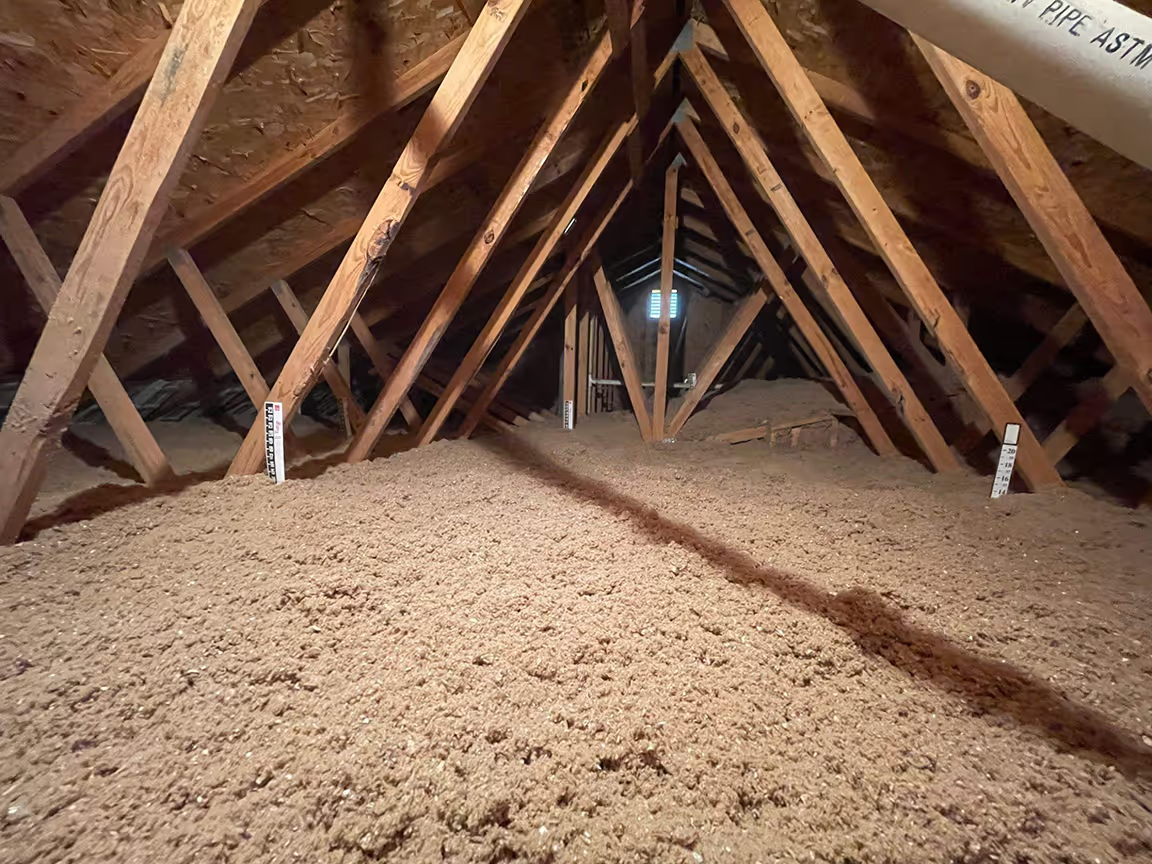
Your attic is the most important place to start when fixing insulation problems. Heat rises, so an under-insulated attic lets warm air escape in winter and hot air enter in summer. Most attics need insulation with an R-value between R-38 and R-60, depending on your climate zone.
Adding blown-in cellulose or fiberglass batts to your attic is one of the easiest ways to improve your home's energy use. You can lay new insulation over existing material if it's still in good shape. Just make sure the old insulation is dry and not compressed.
Wall insulation is harder to fix because walls are already finished. Injection foam insulation works well for existing walls since it fills gaps without removing drywall. A professional drills small holes, injects the foam, and patches the holes when done.
Don't forget about floors above unheated spaces like garages or crawl spaces. Adding insulation between floor joists keeps cold air from entering your living areas. Use insulation with a vapor barrier facing the heated side of your home.
Seal air leaks around doors, windows, and vents
Air leaks waste energy even when you have good insulation. Small gaps around doors and windows can add up to a hole the size of a basketball in your home's exterior.
Check for drafts by holding a lit incense stick near windows, doors, and outlets on a windy day. If the smoke moves, you've found a leak. Weatherstripping around doors and windows stops air from passing through gaps. Apply it to all moving parts where two surfaces meet.
Use caulk to seal cracks and gaps that don't move. Focus on areas where different materials meet, like where siding meets the foundation or where pipes enter your walls. Silicone caulk works best for outdoor use because it handles temperature changes well.
Don't overlook electrical outlets and light switches on exterior walls. Install foam gaskets behind outlet covers to block air flow. Also check where vents, cables, and pipes pass through walls or floors, and seal these openings with expanding foam or caulk.
Add vapor barriers and moisture-resistant insulation
Moisture damages insulation and reduces its ability to keep your home comfortable. A vapor barrier is a plastic or foil sheet that stops moisture from moving through walls and ceilings.
In most climates, you need the vapor barrier on the warm side of the insulation. For cold climates, that means the interior side of your walls. The barrier prevents warm, moist indoor air from reaching cold surfaces where it would condense.
Faced insulation comes with a vapor barrier already attached, making installation easier. The paper or foil facing should always point toward the living space. If you're adding insulation over existing material, use unfaced insulation for the second layer.
Basements and crawl spaces need special attention because they're naturally damp. Use moisture-resistant insulation like closed-cell spray foam or foam board in these areas. These materials won't absorb water and lose their insulating power.
Install a dehumidifier in damp spaces to keep moisture levels down. Make sure your gutters and downspouts direct water away from your foundation to prevent moisture problems from starting.
Use energy-efficient insulation materials
Different insulation materials work better for different situations. Spray foam insulation provides the highest R-value per inch and seals air leaks at the same time. It costs more but offers the best performance for walls and tight spaces.
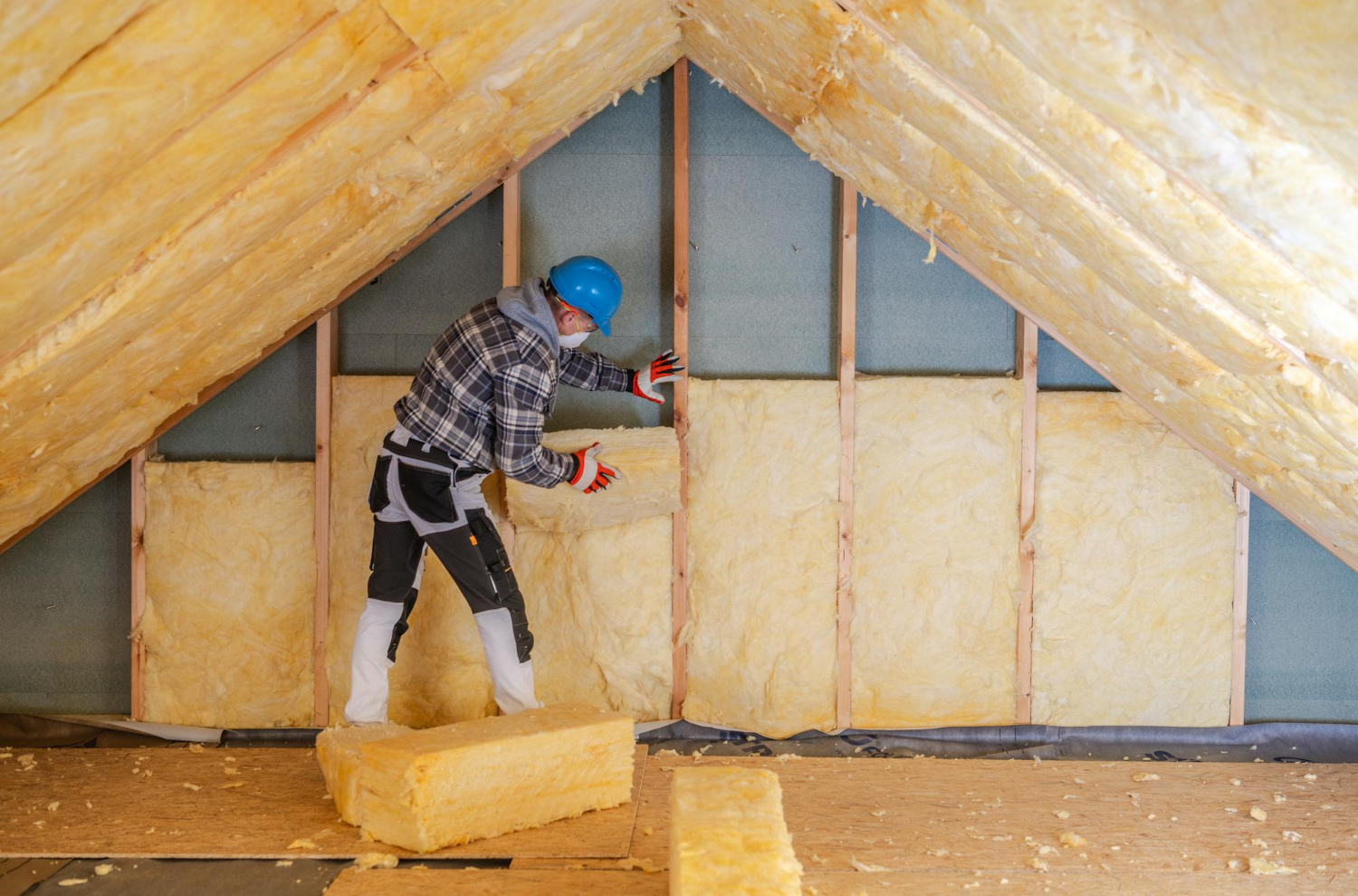
Fiberglass batts are affordable and easy to install yourself in open spaces like attics and basements. They come in standard widths that fit between studs and joists. Choose batts with an R-value that meets your climate zone requirements.
Mineral wool resists fire and moisture better than fiberglass. It costs more but works well in basements and around chimneys or furnaces where fire safety matters.
Material
Best For
R-Value Per Inch
Cost
Spray foam
Walls, rim joists
6.0-7.0
High
Fiberglass batts
Attics, floors
2.9-3.8
Low
Mineral wool
Basements, fire areas
3.0-3.3
Medium
Cellulose
Attics, walls
3.2-3.8
Medium
Rigid foam boards work well for basement walls and exterior applications. They don't absorb moisture and add structural strength to walls.
Schedule a professional insulation assessment
A professional energy audit finds problems you might miss on your own. Experts use tools like thermal imaging cameras to see exactly where your home loses energy. These cameras show cold spots that indicate missing or damaged insulation.
Professionals can also perform a blower door test that measures how much air leaks out of your home. They seal your house and use a powerful fan to lower the air pressure inside. This makes outdoor air flow through all the leaks, which they can then locate and measure.
Getting professional help makes sense for complex jobs like insulating existing walls or fixing ventilation problems. Contractors know building codes and can recommend the right R-values for your area. They also have the equipment to install certain types of insulation, like spray foam, which require special skills and safety gear.
Ask for quotes from at least three licensed contractors. Check their references and make sure they're insured. A good contractor will explain your options and help you choose solutions that fit your budget and needs.
Benefits of improving home insulation
Better insulation in your home leads to lower utility bills, more consistent temperatures, and a healthier indoor environment. These improvements also protect your HVAC system and increase your property's market value.
Lower energy bills and higher efficiency
Proper insulation directly cuts how much you spend on heating and cooling. When your home lacks good insulation, your HVAC system works harder to maintain comfortable temperatures, which wastes energy and money.
Upgrading your insulation can reduce your energy consumption by up to 45%. This happens because insulation creates a barrier that stops heat from escaping in winter and entering in summer. Your furnace and air conditioner run less often, which shows up as real savings on your monthly bills.
The average homeowner saves between 15% and 30% on heating and cooling costs after improving insulation. These savings add up year after year, making insulation one of the most cost-effective home improvements you can make. The initial investment typically pays for itself within a few years through reduced energy bills.
Increased comfort year-round
Good insulation keeps your home at a steady temperature throughout the day and night. You won't experience cold spots in winter or hot areas in summer that make certain rooms uncomfortable to use.
Insulation also blocks outside noise from entering your home. This creates a quieter living space where you can relax without hearing traffic, neighbors, or other external sounds as clearly.
Your rooms will feel more consistent from floor to ceiling. Without proper insulation, heat rises and cold air sinks, creating uncomfortable temperature differences. Better insulation eliminates these drafts and uneven temperatures that make you constantly adjust the thermostat.
Prevention of moisture and mold problems
Insulation helps control moisture levels inside your walls and attic. When warm indoor air meets cold surfaces, it creates condensation that can lead to water damage and mold growth.
Modern insulation materials include vapor barriers that stop moisture from accumulating in your walls. This protection keeps your home healthier and prevents costly repairs from water damage.
Mold grows in damp environments and can cause respiratory problems and allergic reactions. By maintaining proper insulation, you reduce the conditions that allow mold to thrive. This protects both your home's structure and your family's health.
Extended lifespan of HVAC systems
Your heating and cooling equipment lasts longer when your home has good insulation. HVAC systems that run constantly experience more wear and tear on their components, leading to earlier breakdowns and replacements.
With proper insulation, your HVAC system cycles on and off less frequently. This reduces stress on the compressor, fan motor, and other mechanical parts. Most systems can last several years longer when they don't have to compensate for poor insulation.
You'll also spend less on HVAC repairs and maintenance. Equipment that works efficiently requires fewer service calls and has lower operating costs throughout its lifetime.
Enhanced property value and resale potential
Homes with upgraded insulation appeal to buyers who care about energy efficiency and lower utility bills. Real estate listings that highlight good insulation often sell faster and at higher prices than comparable homes without it.
Energy-efficient features like quality insulation make your home more attractive in today's market. Buyers understand that better insulation means immediate savings and long-term value.
An energy audit showing improved insulation ratings gives buyers confidence in your home's efficiency. Many buyers specifically search for homes with these upgrades, and appraisers recognize the added value when determining your property's worth.
Why choose Terra Insulation for insulation solutions
Terra Insulation offers experienced professionals, modern materials, customized approaches, and dependable local service to solve your home's insulation problems effectively.
Experienced insulation professionals
Terra Insulation employs trained specialists who understand how to identify and fix insulation issues in your home. These professionals know the difference between surface-level problems and deeper structural concerns that affect your energy bills and comfort.
Their team examines your attic, walls, crawl spaces, and other areas to find gaps, damaged materials, or insufficient coverage. They understand regional climate requirements and building codes in your area. This knowledge helps them recommend the right insulation thickness and type for your specific situation.
When you work with experienced professionals, you get accurate assessments instead of guesswork. They can spot signs of moisture damage, air leaks, and settling that reduce insulation performance over time. Their expertise ensures your insulation repair services address the root cause rather than just covering up symptoms.
Wide range of modern insulation materials
Terra Insulation provides access to multiple insulation types suited for different applications and budgets. Your options include blown-in insulation for attics and wall cavities, batt insulation for accessible spaces, and spray foam for air sealing.
Each material has specific benefits. Blown-in products fill irregular spaces and reach around obstacles. Batts work well for standard wall cavities and attic floors. Spray foam creates an air barrier while insulating.
The company stays current with energy-efficient products that meet modern building standards. They can explain R-values and help you choose materials that deliver the thermal resistance your climate zone requires. You receive materials designed for durability and long-term performance rather than temporary fixes.
Customized solutions for each home
Your home has unique insulation needs based on its age, construction, existing materials, and problem areas. Terra Insulation develops specific plans rather than applying one-size-fits-all solutions.
They assess your current insulation levels, measure air leakage, and identify where heat escapes or enters your living spaces. This evaluation leads to targeted recommendations that address your worst problem areas first.
You might need different approaches for your attic versus your walls or basement. The company designs solutions that fit your budget while prioritizing improvements that give you the biggest energy savings. They work around your home's existing structure without unnecessary demolition or disruption.
Local service with reliable installation and results
Terra Insulation operates as a local business that understands your region's weather patterns and housing styles. They arrive on schedule and complete work according to agreed timelines.
Their installation teams follow proper techniques to ensure materials perform as expected. They seal air leaks before adding insulation, maintain proper ventilation, and avoid compressing materials that need air space to work effectively.
You receive guaranteed workmanship backed by company accountability. Local service means they remain available if you have questions or concerns after installation. They stand behind their work because their reputation depends on satisfied customers in your community.
Conclusion
Poor insulation creates problems that affect your wallet, your comfort, and your home's structure. High energy bills, temperature swings, and moisture damage all point to the same issue. Your heating and cooling systems work harder when insulation fails to do its job.
The good news is that you can fix these problems. Better insulation leads to lower energy costs and a more comfortable living space. You'll notice fewer drafts and more consistent temperatures throughout your home.
You don't need to tackle every insulation problem at once. Start with the areas that cause the most trouble, like your attic or exterior walls. A professional inspection can help you identify where to focus your efforts first.
Taking action on poor insulation pays off over time. Your home becomes more energy efficient, which means lower costs month after month. You'll also enjoy a more comfortable living environment year-round.
The signs of poor insulation are clear once you know what to look for. Addressing these issues now prevents bigger problems down the road and makes your home a better place to live.
Schedule a professional insulation assessment with Terra Insulation to pinpoint insulation problems and get an estimate for the most cost-effective upgrades to reduce heating and cooling costs.