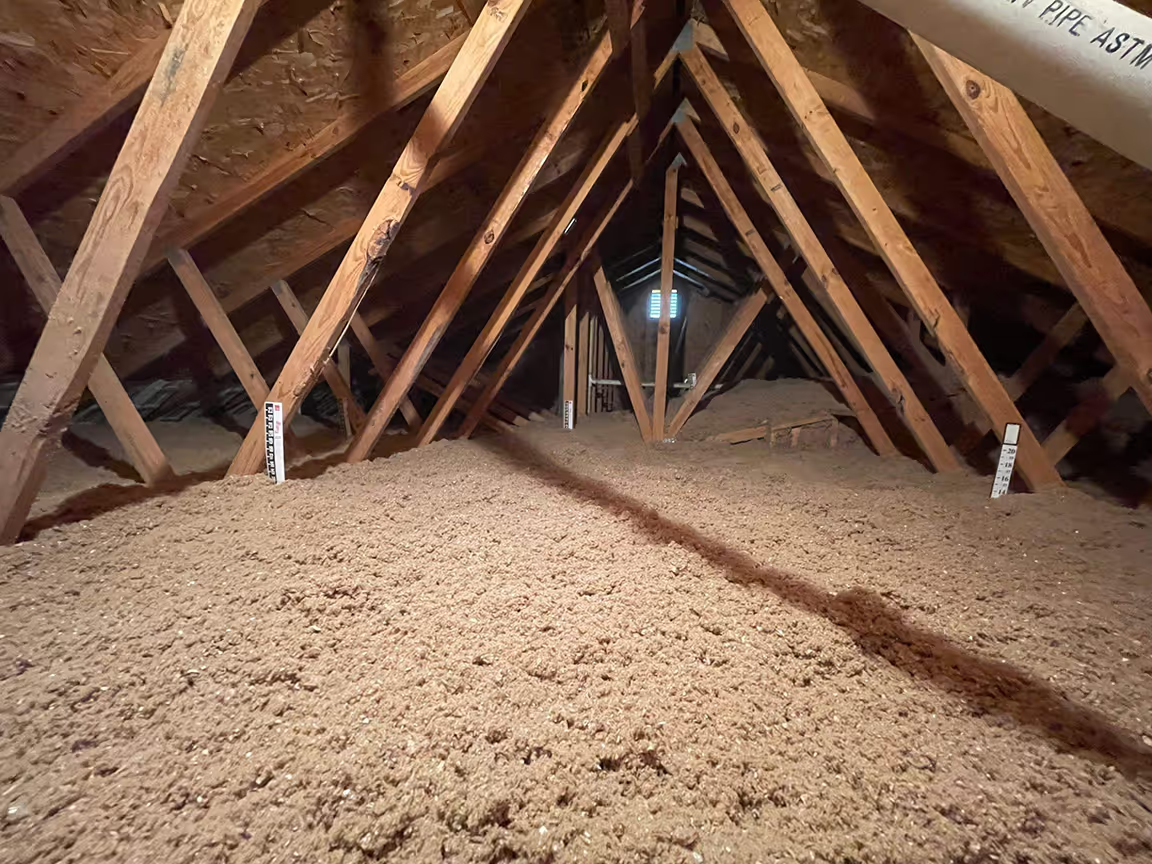


Your attic plays a bigger role in your home's comfort and energy bills than you might think. Many Maryland homeowners don't realize that problems hiding in their attic can lead to higher cooling costs, uneven temperatures, and wasted energy throughout the year. A professional attic inspection can identify insulation gaps, air leaks, and ventilation issues that directly impact your home's efficiency and your monthly utility expenses.
Most attics in Maryland homes haven't been properly evaluated in years, if ever. Problems develop slowly over time as insulation settles, air seals break down, and small issues turn into larger concerns. These hidden problems often go unnoticed until they start affecting your comfort or driving up your energy bills.
An attic inspection in Maryland is one of the most reliable ways to uncover the hidden issues that silently increase your cooling costs and reduce your home's overall performance. Catching these problems before summer gives you time to make corrections that pay off in lower utility bills and better indoor comfort.
In this article, we cover:
- Rising cooling costs
- Problems caused by insulation gaps
- Impact of air leaks
- Professional evaluation insights
- Benefits of timely attic upgrades
Keep reading to learn how a thorough attic evaluation can help you cut energy waste, protect your HVAC equipment, and stay comfortable through Maryland's hottest months.
Rising cooling costs
Your air conditioner runs constantly during Maryland summers, but your home never feels quite comfortable. The real problem often hides in your attic, where energy loss silently drives up monthly utility bills through poor insulation, air leaks, and overlooked structural issues.
Hidden attic issues that force your AC to work harder
Your attic plays a major role in keeping your home cool. When insulation settles or develops gaps over time, hot air transfers directly into your living spaces below. This makes your AC system work overtime to maintain comfortable temperatures.
Gaps around recessed lights and ductwork create paths for conditioned air to escape. Many Maryland homes built before modern energy standards have these openings throughout the attic space. Air leaks around chimneys, pipes, and electrical wires also let cool air flow out while hot air moves in.
Blocked or inadequate attic ventilation traps heat in this upper space. Without proper airflow, temperatures in your attic can reach 140-150 degrees during summer months. This extreme heat radiates down through your ceiling, even with insulation present.
Why energy loss often starts above the living space
Your attic acts as a barrier between outdoor temperatures and your conditioned living space. When this barrier fails, your cooling system must constantly fight against heat transfer from above. Older Maryland homes in areas like Frederick and Montgomery County were built before energy efficiency became standard practice.
Insufficient insulation depth is the primary culprit. According to the U.S. Department of Energy, homes in Climate Zone 4, which includes Maryland, should have attic insulation rated between R-49 and R-60 to meet current efficiency standards. Many existing homes have only R-19 or R-30, which leaves a significant gap in thermal protection.
The stack effect pulls air through your home from bottom to top. As cool air escapes through attic openings, warm outdoor air gets pulled in through lower levels to replace it. This natural airflow pattern increases cooling demands by 20-30% in poorly sealed homes.
The warning signs homeowners usually overlook
Your monthly energy bills show gradual increases each summer season. Small jumps seem normal, but consistent year-over-year rises often point to declining attic performance. Compare your current bills to those from three years ago to spot significant changes.
Uneven temperatures between rooms indicate airflow problems. If your second floor stays warmer than the first floor despite constant AC operation, heat is likely entering through the attic space above. Ice dams during winter months also suggest inadequate insulation and ventilation.
Visible dust around ceiling fixtures marks air leakage points. Check recessed lights and ceiling fans for dust rings, which show where conditioned air escapes into the attic. A home energy loss inspection Maryland identifies these issues through blower door tests and thermal imaging cameras that reveal hidden air leaks and insulation gaps.
Problems caused by insulation gaps
Gaps in attic insulation create multiple problems that affect your home's comfort and energy costs. Heat moves freely through these openings, your indoor temperature becomes harder to control, and your HVAC system works overtime to compensate.
How missing insulation allows heat to enter the home
Missing insulation in your attic creates direct pathways for heat transfer between your living space and the outdoors. During summer months, hot air from your attic radiates down into your home through these gaps. Your air conditioning system runs longer cycles to combat this heat gain, which increases your electricity bills.
In winter, the reverse happens. Warm air from your heating system rises and escapes through the same gaps into your cold attic space. This heat loss forces your furnace to work harder and consume more energy to maintain your desired temperature.
The problem intensifies around specific features in your attic. Gaps around chimneys, recessed lighting fixtures, and attic hatches are particularly problematic spots where heat pours in or out. Even small openings create significant energy waste over time.
Areas where insulation commonly settles or shifts
Attic insulation gaps in Maryland homes develop in predictable locations over time. Fiberglass batts compress and lose their thickness, especially in high-traffic areas near attic access points. This compression reduces the material's ability to resist heat flow.
Common problem areas include:
- Around attic hatches and pull-down stairs
- Near HVAC ducts and plumbing penetrations
- Along the edges where walls meet the attic floor
- Behind knee walls in finished attic spaces
- Around chimney chases and flue pipes
Blown-in insulation shifts away from these same trouble spots due to air movement and settling. The material gradually migrates, leaving thin spots or bare patches. Moisture exposure also causes certain insulation types to sag or deteriorate, creating gaps where none existed before.
Why uneven coverage leads to inconsistent indoor temperatures
Uneven insulation coverage creates hot and cold spots throughout your home. Rooms located beneath well-insulated attic sections stay comfortable, while rooms under gaps struggle to maintain stable temperatures. You might notice one bedroom feels significantly warmer or colder than others on the same floor.
Your HVAC system cannot compensate for these inconsistencies effectively. The thermostat reads the temperature in one location, but conditions vary widely across different rooms. This means some areas feel too warm while others remain too cold, regardless of your thermostat setting.
The temperature differences become more pronounced during extreme weather. Summer heat waves and winter cold snaps expose weak spots in your attic insulation coverage. Your energy bills reflect this inefficiency as your heating and cooling equipment runs constantly trying to balance these uneven conditions.
Impact of air leaks
Air leaks in your attic create pathways for conditioned air to escape and outside air to enter your home. These openings drive up energy costs and reduce comfort throughout the year.
Openings around wiring, plumbing, and attic access points
Your attic contains numerous penetrations where air can leak between your living space and attic. Holes drilled for electrical wiring, plumbing pipes, and HVAC ductwork create gaps that allow air movement. The attic access hatch or pull-down stairs often have large gaps around their perimeter.
Light fixtures recessed into your ceiling create another major leak point. These fixtures generate heat and create a natural chimney effect that pulls conditioned air into the attic. Plumbing vents and exhaust fans cut through your ceiling and create additional openings.
Common attic air leak locations:
- Recessed lighting fixtures
- Plumbing stack penetrations
- Electrical wiring holes
- HVAC ductwork connections
- Attic access hatches and stairs
- Chimney chases
- Wall top plates
Professional attic air leak detection in Maryland uses specialized equipment to find these hidden gaps. A blower door test measures total air leakage, while thermal imaging cameras show exactly where air escapes.
How outside air affects indoor comfort during summer
Hot, humid summer air entering through attic leaks makes your home uncomfortable and forces your air conditioner to work harder. The temperature difference between your attic and living space can reach 40-50 degrees in Maryland summers. Air leaks allow this superheated air to infiltrate your home.
Humidity is equally problematic. Outside air carries moisture that increases indoor humidity levels and makes your home feel sticky. Your air conditioner must remove this extra moisture, which uses significant energy beyond just cooling.
Air leaks also prevent proper ventilation balance in your attic. When conditioned air escapes into the attic, it disrupts the natural airflow pattern that keeps your roof deck cool and dry.
The connection between air sealing and energy efficiency
Sealing attic air leaks delivers immediate energy savings by stopping conditioned air loss. Studies show that air sealing can reduce heating and cooling costs by 15-20%. Your HVAC system runs less frequently when it doesn't need to replace air escaping through the attic.
Air sealing works better than insulation alone at blocking air movement. Insulation slows heat transfer but does not stop airflow. Gaps around penetrations and access points allow air to bypass insulation entirely.
According to the U.S. Department of Energy, the attic should be the first priority when improving a home's insulation, and proper air sealing must be completed alongside insulation work to achieve full energy performance.
Maryland energy codes recognize this relationship and require air leakage testing for new construction and major renovations. Professional air sealing targets the largest leak points first for maximum impact. The process typically uses spray foam or caulk to seal penetrations and weatherstripping for access doors.
Professional evaluation insights
Professional inspectors assess your attic through a detailed process that examines structural integrity, material conditions, and system performance. Their trained eye spots problems that typical homeowners miss during casual checks.
What professionals look for during a thorough evaluation
A certified inspector examines multiple components during an attic insulation inspection Maryland property owners schedule. They measure insulation depth and coverage to determine if your attic meets current R-value standards for the region.
Inspectors check ventilation systems including soffit vents, ridge vents, and gable vents. They look for proper airflow pathways that prevent heat and moisture buildup. Blocked or insufficient vents create problems that reduce your home's energy efficiency.
The structural elements receive careful attention. Inspectors look at rafters, trusses, and roof decking for signs of stress or damage. They examine junction points where different materials meet since these areas often develop issues first.
Your attic's electrical systems and fixtures get reviewed for safety compliance. Inspectors verify that wiring meets code requirements and that insulation maintains proper clearance around heat-producing components like recessed lights.
Moisture issues that can impact insulation performance
Water intrusion ranks among the most serious problems inspectors identify. They look for stains on roof decking and rafters that indicate active or past leaks. Even small amounts of moisture compromise insulation effectiveness and create conditions for mold growth.
Condensation patterns reveal ventilation failures. Inspectors check for frost accumulation in winter months or water droplets during temperature changes. These signs point to insufficient air circulation or vapor barrier problems.
According to the U.S. Environmental Protection Agency, sealing and insulating a home without maintaining proper ventilation can cause indoor moisture to accumulate, creating favorable conditions for mold, dust mites, and bacterial growth.
Your attic efficiency assessment Maryland professionals conduct includes checking for damp or compressed insulation. Wet insulation loses its ability to trap air and regulate temperature. This material often needs complete replacement rather than drying since it rarely returns to original performance levels.
Signs of aging materials that reduce efficiency
Insulation settles and compresses over time. Inspectors measure current thickness against original specifications to calculate performance loss. Fiberglass insulation can lose up to 50% of its R-value through compression and settling.
Damaged vapor barriers show tears, gaps, or deterioration. These protective layers prevent moisture from reaching insulation materials. When they fail, your attic becomes vulnerable to humidity problems.
Outdated insulation types like vermiculite or certain foam products may contain hazardous materials. Inspectors identify these materials and recommend testing or removal procedures that protect your health and comply with current safety standards.
Benefits of timely attic upgrades
Upgrading your attic at the right time protects your wallet and your home's long-term health. Smart improvements to insulation and ventilation cut down on energy bills while making your living spaces more comfortable year-round.
How improved insulation reduces HVAC strain
Your heating and cooling system works harder when your attic lacks proper insulation. Heat escapes through the roof in winter, while summer heat radiates down into your living spaces.
Quality insulation creates a thermal barrier that keeps conditioned air inside your home. This means your HVAC system runs less frequently to maintain comfortable temperatures. Less runtime translates to lower energy bills and reduced wear on your equipment.
Modern insulation materials like spray foam or blown-in cellulose fill gaps that older insulation misses. These upgrades can reduce your heating and cooling costs by 15-20% in Maryland's climate. Your HVAC system also lasts longer when it doesn't have to compensate for poor attic insulation.
Proper attic insulation should meet R-38 to R-60 standards for Maryland homes. An inspection reveals whether your current insulation meets these requirements or needs upgrading.
The comfort benefits of a more energy-efficient attic
Better attic insulation eliminates hot and cold spots throughout your home. Rooms on the top floor stay cooler in summer and warmer in winter when your attic properly regulates temperature transfer.
Improved ventilation prevents moisture buildup that creates musty odors and damages your belongings. Your indoor air quality improves when your attic stays dry and well-ventilated.
Energy-efficient attics also reduce drafts and temperature swings between rooms. You'll notice more consistent comfort levels throughout your home, even during Maryland's humid summers and cold winters. Your family won't need to adjust thermostats constantly or avoid certain rooms due to temperature extremes.
Why proactive upgrades cost less than ongoing energy waste
Small energy losses add up to significant costs over time. A poorly insulated attic can waste $200-400 annually on heating and cooling in Maryland.
Investing in attic upgrades now prevents years of inflated utility bills. The average attic insulation upgrade pays for itself within 3-7 years through energy savings. You also avoid emergency repairs that cost more than planned improvements.
Proactive upgrades protect your roof structure from moisture damage and ice dams. These problems require expensive repairs that far exceed the cost of proper insulation and ventilation. Maryland's temperature fluctuations make homes especially vulnerable to these issues.
Regular inspections help you catch minor problems before they become major expenses. Addressing insulation gaps or ventilation issues early prevents structural damage and mold growth.
Conclusion
An attic inspection protects your Maryland home from hidden damage and costly repairs. You can identify problems with insulation, ventilation, moisture, and structural issues before they get worse.
Professional inspectors check your attic's condition thoroughly. They look at insulation levels, airflow, roof decking, framing, and signs of water damage or mold. You get a clear picture of what needs attention.
Maryland's weather makes attic inspections important. Hot summers and cold winters put stress on your roof and attic space. Regular inspections help you catch issues early.
When you schedule an inspection, choose a licensed professional with experience in Maryland homes. They understand local building codes and common regional problems. You should ask about their qualifications and what their inspection covers.
You should inspect your attic at least once a year. Schedule additional checks after major storms or if you notice signs of problems. Water stains on ceilings, higher energy bills, or temperature changes in your home signal potential attic issues.
Taking action now saves you money later. An attic inspection gives you the information you need to maintain your home properly and avoid expensive emergency repairs. Contact Terra Insulation to schedule a professional attic evaluation and get a clear picture of your home's insulation performance before summer arrives.