
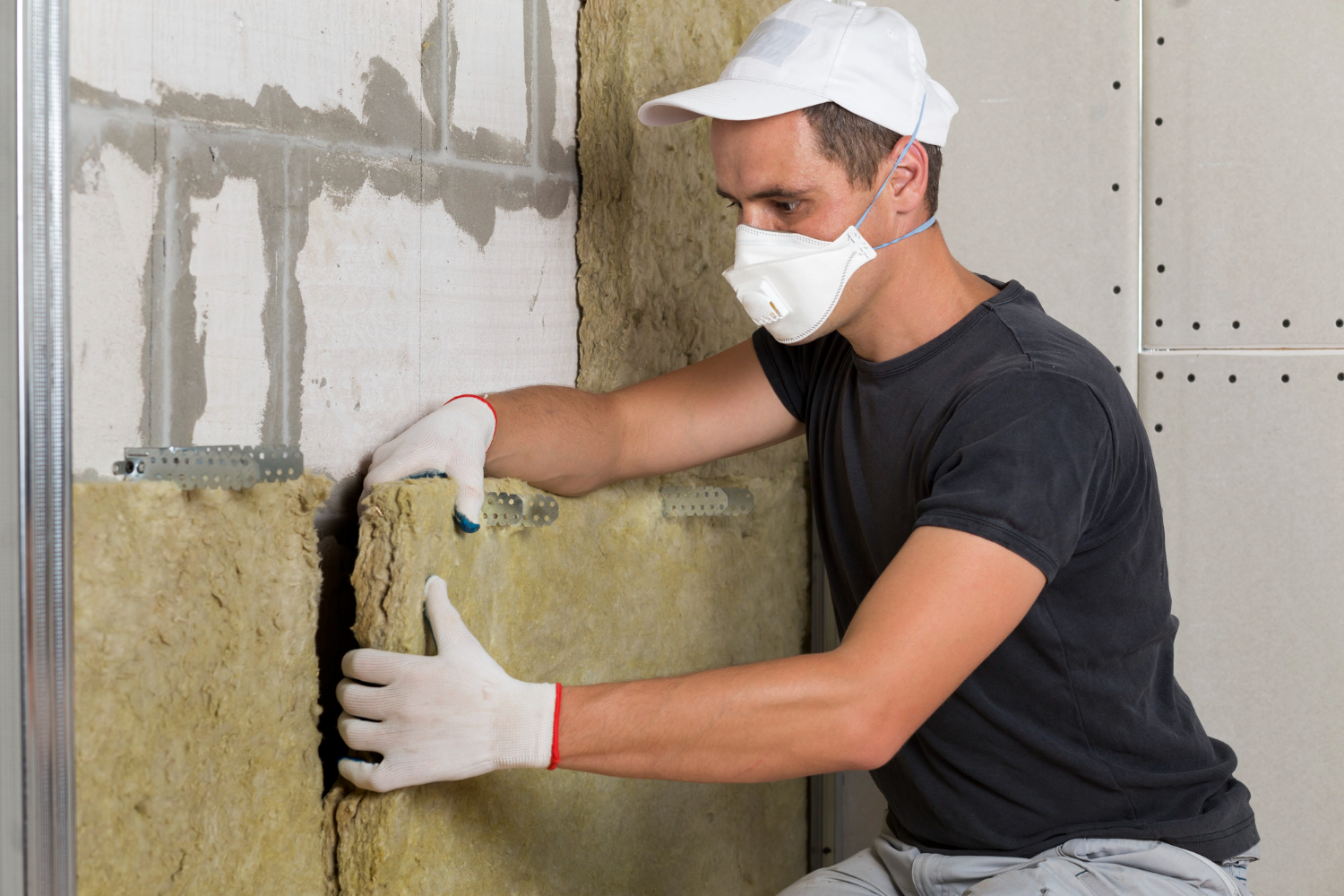
Your home's insulation works hard every day to keep you comfortable and your energy bills low. But like any other part of your house, it needs regular attention to do its job well. Checking your insulation each season helps you catch problems early, maintain comfort, and avoid costly energy waste.
Most homeowners don't think about their insulation until something goes wrong. You might notice your heating or cooling system running constantly, uneven temperatures in different rooms, or higher utility bills. These are all signs that your insulation may have developed issues that need fixing.
A seasonal checkup can reveal damaged insulation, air leaks, moisture problems, and other concerns before they get worse. You'll learn what to look for during inspections, when to schedule maintenance, and what professionals check during a thorough evaluation. Here's what you need to know:
- Why seasonal insulation checkups are important for homeowners
- What happens during a professional insulation checkup
- Common insulation problems found during inspections
- Best times of year for insulation maintenance
- Benefits of regular insulation checkups in MD homes
Keep reading to learn how a seasonal insulation checkup protects your Maryland home from energy loss, moisture damage, and costly repairs year-round.
Why seasonal insulation checkups are important for homeowners
Regular insulation checkups help protect your home's comfort and your wallet throughout the year. These inspections catch problems before they lead to higher energy bills or serious damage to your home's structure.
How weather changes affect insulation performance
Temperature swings between seasons put stress on your insulation materials. Cold winters cause some insulation types to contract, while hot summers make them expand. This constant movement can create gaps that let air escape.
Moisture is another major concern during seasonal transitions. Spring rain and winter snow can seep into your attic or walls if there are cracks in your roof or siding. Wet insulation loses its ability to regulate temperature effectively. Understanding how moisture control insulation protects your home helps you stay ahead of these seasonal shifts.
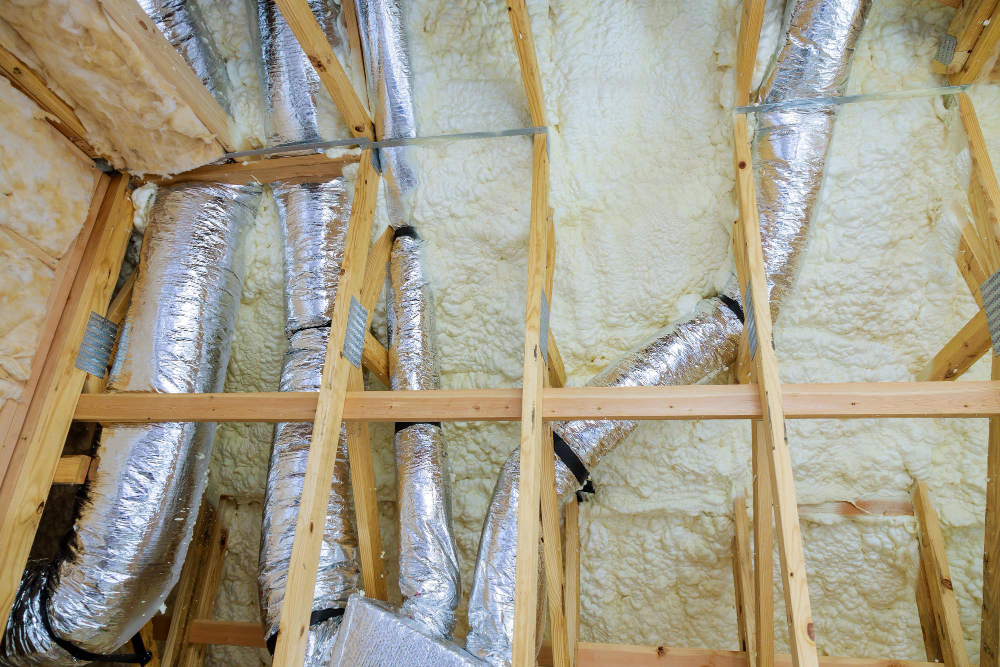
Different insulation materials respond to weather in unique ways. Fiberglass batts can compress when exposed to moisture. Spray foam typically holds up better but can still develop cracks over time. Blown-in cellulose may settle and leave empty spaces at the top of walls.
Checking your insulation twice a year lets you spot these weather-related changes early. You can add more material where it has settled or replace sections that got damaged by water. Knowing how long attic insulation lasts helps you set realistic expectations for each material type.
Impact on energy efficiency throughout the year
Poor insulation makes your heating and cooling systems work harder than they should. Your furnace runs longer in winter when heat escapes through gaps. Your air conditioner struggles in summer when hot air pushes inside. Does insulation keep your house cool? Yes, but only when it is properly maintained and free of gaps.
A seasonal energy efficiency check reveals where your home is losing conditioned air. Common problem areas include attics, exterior walls, and crawl spaces. These spots account for most energy waste in typical homes.
Insulation performance testing shows you the exact R-value of your current setup. This number tells you how well your insulation resists heat flow. According to the U.S. Department of Energy, lower R-values mean more energy loss, and adding insulation to key areas is one of the fastest and most cost-effective ways to reduce energy waste in any home.
Fixing insulation issues can cut your energy costs significantly. You'll notice the difference on your next bill after sealing air leaks and adding insulation where needed.
Preventing costly home damage early
Insulation problems often signal bigger issues hiding in your walls or attic. Water stains on insulation mean you likely have a roof leak that needs immediate attention. Compressed or missing insulation can indicate pest activity.
Regular inspections catch these problems before they cause major damage. A small roof leak costs a few hundred dollars to fix now. Wait too long and you might need to replace rotted roof decking and damaged framing for thousands of dollars.
Mold growth is another serious concern with damaged insulation. According to the U.S. Environmental Protection Agency, mold can trigger allergic reactions, asthma attacks, and respiratory irritation, making early moisture detection a direct health priority. Proper home insulation mold prevention starts with catching the conditions that allow mold to develop before it takes hold.
Ice dams form on roofs when attic insulation fails to keep heat inside. The ice backs up under shingles and leaks into your home. Proper insulation and ventilation prevent this expensive winter damage.
What happens during a professional insulation checkup
A professional insulation checkup involves a thorough examination of your home's insulation materials, air sealing, and moisture levels to identify problems that increase energy costs or reduce comfort.
Inspection of attic and wall insulation
The inspector starts with your attic insulation checkup since this area typically has the most impact on energy efficiency. They check the insulation type, depth, and R-value to make sure it meets local building codes. The R-value measures how well insulation resists heat flow.
During the attic inspection, the professional looks at the insulation's condition. They check for compressed, damaged, or missing sections that reduce performance. Knowing how to tell if your attic needs more insulation is exactly what this part of the process is designed to answer.
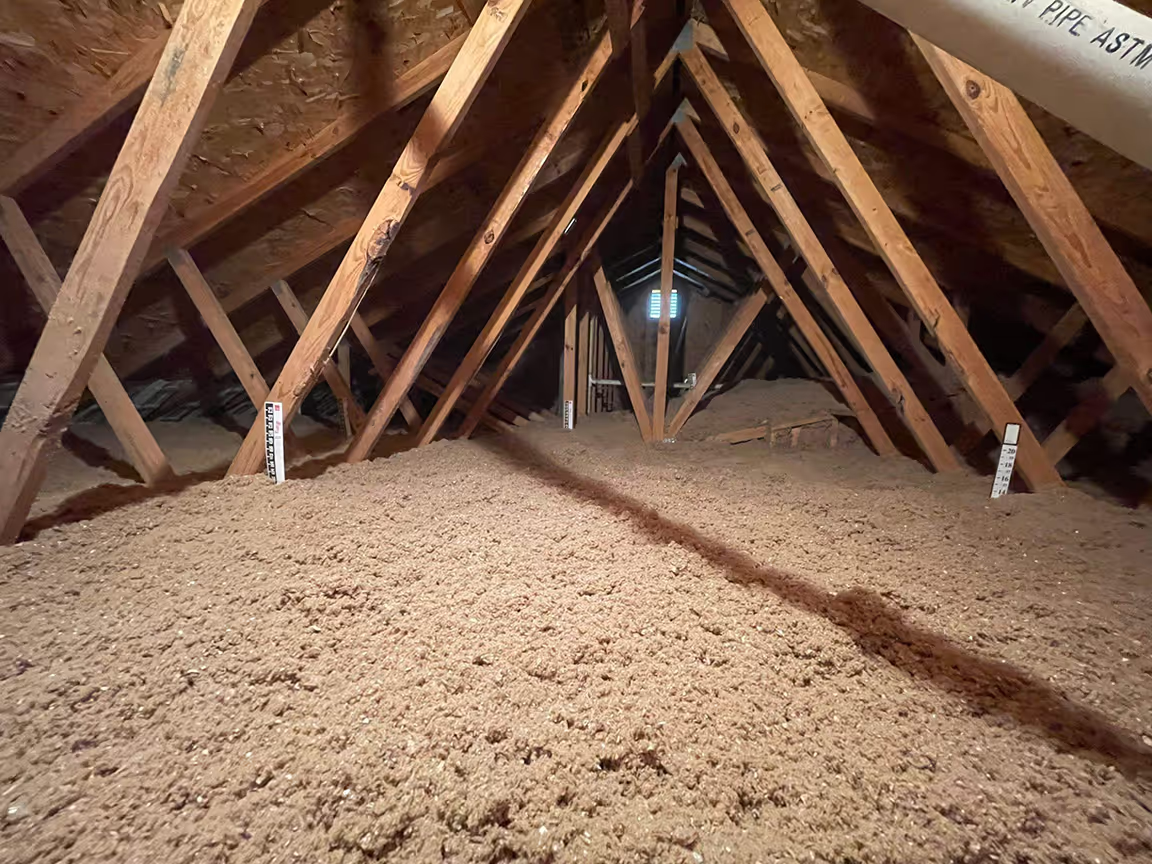
The inspector measures insulation thickness in multiple spots. Insulation settles over time, which means areas that once had proper coverage may now fall short. They compare these measurements against recommended R-values for your climate zone. How effective is attic insulation in your specific home depends heavily on whether depth and coverage have been maintained.
They also check for proper ventilation in your attic. Good airflow prevents moisture buildup and keeps insulation working properly. Blocked vents or inadequate ventilation can damage even new insulation.
Detecting air leaks and weak insulation areas
Professionals use specialized tools to find air leaks that waste energy. Thermal imaging cameras show temperature differences in walls and ceilings. These cold or hot spots reveal where air escapes or enters your home.
The inspector examines common leak points like electrical outlets, recessed lighting, plumbing penetrations, and areas where walls meet floors or ceilings. Even small gaps add up to significant energy loss. This is also why attic air sealing is treated as a separate, critical step before any new insulation is added.
They may perform a blower door test to measure total air leakage. This test pressurizes your home to make leaks easier to detect. A home energy audit often includes this step and gives you a complete picture of where conditioned air is escaping.
Weak insulation areas often appear around chimneys, ductwork, and attic hatches. The inspector notes all problem zones and prioritizes them based on severity.
Moisture and mold risk assessment
Water damage destroys insulation and creates health hazards. The inspector looks for water stains, dampness, and existing mold growth in your attic and other insulated spaces. Attic condensation problems and attic humidity problems are among the most common findings during a Maryland seasonal checkup.
They check for roof leaks that could saturate insulation. Wet insulation loses R-value and needs replacement. The inspector also examines vapor barriers to confirm they're properly installed and intact. Moisture-resistant insulation in vulnerable areas is often recommended as a result of these findings.
Condensation forms when warm, moist air meets cold surfaces. The professional identifies areas prone to condensation and checks ventilation systems. Poor ventilation traps moisture and promotes mold-related insulation damage.
They may use moisture meters to measure water content in building materials. High readings indicate active problems even when visible signs aren't obvious yet.
Common insulation problems found during inspections
During seasonal checkups, inspectors typically find three main types of insulation issues: compressed or damaged materials, gaps that allow air to leak through, and moisture problems that lead to mold. Each of these problems reduces your home's energy efficiency and can lead to higher utility bills.
Compressed or damaged insulation materials
Insulation loses its effectiveness when it gets compressed or damaged. The material works by trapping air in small pockets, but compression eliminates these air spaces and reduces the insulation's R-value significantly.
You'll often find compressed insulation in attics where stored items have been placed directly on top of it. Heavy boxes or equipment can flatten fiberglass batts to a fraction of their original thickness. This damage is permanent in most cases.
Pests create another common type of damage. Rodents and insects chew through insulation to build nests, leaving holes and gaps throughout the material. You might also discover insulation that has settled over time, particularly loose-fill materials like cellulose or blown-in fiberglass. These are clear signs you should know when to replace insulation in your attic.
Age and gravity cause these materials to compact, leaving the upper portions of your walls with less coverage than required. Poor home insulation from settled or compressed materials is one of the most common findings in Maryland homes older than 15 years.
Gaps and air leakage in key areas
Air leaks around your insulation waste energy and reduce comfort throughout your home. These gaps typically appear around electrical outlets, recessed lighting fixtures, plumbing penetrations, and where walls meet floors or ceilings.
Attic hatches represent one of the most common sources of air leakage. Many homes have poorly sealed or uninsulated access doors that allow conditioned air to escape into the attic space. Window and door frames also develop gaps as your home settles and building materials shift.
You should pay special attention to areas where different building materials meet. The junction between your foundation and wall framing often lacks proper insulation or has gaps that weren't sealed during construction. Rim joists in your basement or crawl space are frequently under-insulated or missing insulation entirely. Spray foam insulation for crawl spaces is one of the most effective fixes for this specific problem.
Moisture intrusion and mold growth
Moisture damages insulation and creates health hazards through mold growth. Water enters through roof leaks, condensation buildup, or humidity from poor ventilation. Wet insulation loses its insulating properties and becomes a breeding ground for mold and mildew.
Check for dark spots or staining on insulation materials, which indicate current or past moisture problems. Fiberglass insulation that appears saggy or discolored has likely absorbed water. You might notice a musty smell before you see visible signs of mold.
Condensation forms when warm, moist air contacts cold surfaces in poorly ventilated spaces. This commonly occurs in attics with insufficient ventilation or in crawl spaces without proper vapor barriers. Bathroom and kitchen exhaust fans that vent into the attic instead of outside also contribute to moisture problems. Non-toxic attic insulation options that resist moisture buildup are worth considering when replacing damaged sections.
Best times of year for insulation maintenance
Fall and spring offer the best opportunities to inspect and maintain your insulation, helping you prepare for extreme temperature changes ahead.
Preparing for winter heating efficiency
Fall stands out as the most important season for insulation checks. You need to inspect your insulation before cold weather arrives to prevent heat loss and high energy bills. Is winter the right time to insulate your attic? A fall checkup answers that question before the cold sets in.
Start your inspection by examining your attic insulation for gaps, compressed areas, and proper depth. Look for spots where insulation has settled or shifted over time. These weak points allow warm air to escape during winter months.
Check for moisture damage or signs of pests that may have disturbed the insulation. Water stains indicate leaks that need immediate attention. Compressed insulation loses its ability to trap air, which reduces its effectiveness at keeping heat inside.
Pay special attention to areas around pipes, vents, and electrical fixtures. These spots often have gaps that let cold air enter your home. Sealing these openings before winter starts will reduce strain on your heating system and lower your utility costs. Spray foam benefits in cold weather make it a go-to material for sealing these penetrations before temperatures drop.
Checking insulation before summer cooling season
Spring gives you the chance to prepare your insulation for summer heat. A pre-season inspection helps identify ventilation problems and excess humidity issues that affect cooling efficiency. Insulating in spring gives you the most lead time before peak cooling demand arrives.
Examine your attic for proper air flow between the insulation and roof deck. Good ventilation prevents heat buildup that makes your air conditioner work harder. Look for blocked soffit vents or ridge vents that restrict air movement. Understanding how insulation cools your house helps you interpret what the inspector finds.
Check if your insulation maintains the correct depth throughout your attic. Winter weather and temperature changes can shift materials. Add more insulation to areas that have thinned out. Insulating your house before summer is one of the most cost-effective cooling strategies available to Maryland homeowners.
Inspect for moisture problems that develop during spring rains. Humidity trapped in insulation reduces its ability to block heat transfer. Address any ventilation issues before summer arrives to keep cooling costs down.
Seasonal transition maintenance benefits
Spring and fall maintenance in Maryland helps you catch small problems before they turn into expensive repairs. These transitional periods give you time to fix issues without rushing during extreme weather.
Regular seasonal checks extend the life of your insulation materials. You can spot wear and tear early and make repairs when needed. This proactive approach saves money compared to emergency fixes during peak heating or cooling seasons. It also protects the investment you made when choosing sustainable home insulation materials that are designed to last.
Annual inspections also help you track your insulation's performance over time. Homes older than 15 to 20 years often need supplemental insulation since newer materials perform better than older products. Why now is the right time to insulate your home applies especially to Maryland homeowners who have been postponing maintenance.
Benefits of regular insulation checkups in MD homes
Regular insulation checkups protect your Maryland home from energy waste and comfort problems. These inspections catch issues early and help your heating and cooling systems work less while keeping your home more comfortable.
Lower heating and cooling costs
Your energy bills drop when insulation works properly. Maryland homes lose significant amounts of heated and cooled air through poorly maintained insulation, especially in attics. This forces your HVAC system to run longer and work harder to maintain comfortable temperatures.
An insulation checkup finds gaps, compressed areas, and damaged sections that let air escape. Fixing these problems reduces the amount of energy needed to heat your home in winter and cool it in summer. According to the U.S. Environmental Protection Agency's ENERGY STAR program, homeowners can save an average of 15% on heating and cooling costs by air sealing and adding insulation in attics and accessible rim joists. Many Maryland homeowners see noticeable decreases in their monthly utility bills after addressing insulation issues.
The attic is usually the biggest problem area. When attic insulation fails, it becomes the main cause of high energy costs in your home. A professional inspection identifies where your insulation falls short of recommended R-values for Maryland homes and shows you exactly where improvements will have the biggest impact. Claiming an attic insulation tax rebate after your upgrade can further offset the cost of any work recommended during the checkup.
Improved indoor comfort year-round
Good insulation keeps temperatures stable throughout your home. You won't deal with cold spots in winter or hot rooms in summer when your insulation is properly maintained. Checkups reveal drafts and heat transfer problems that make certain rooms uncomfortable.
Your HVAC system experiences less strain when insulation performs well. This means more consistent temperatures from room to room and fewer times when your heating or cooling can't keep up with outside weather conditions. Does insulation keep your house cool in summer? It does, but only when maintenance keeps it performing at its rated R-value.
Proper insulation maintenance stops ice dams from forming on your roof during Maryland winters. These ice formations damage roofs and create leaks, but adequate attic insulation prevents the heat loss that causes them.
Extended lifespan of insulation systems
Insulation doesn't last forever, but regular checkups help it work longer. Inspections catch small problems before they turn into major failures that require complete replacement. Moisture damage, pest infestations, and compression all reduce insulation effectiveness over time.
Professional inspectors identify areas where insulation has settled or shifted. These changes happen gradually, so you might not notice the decline in performance until energy bills spike. Catching these issues early means you can add more insulation to specific areas instead of replacing entire sections. When attic insulation replacement does become necessary, having a checkup history helps contractors understand exactly what went wrong and where.
Your inspection also protects your investment in newer insulation. If you've recently upgraded your attic or wall insulation, regular checks confirm it's performing as expected and hasn't developed problems from installation issues or environmental factors. Working with local insulation contractors who know Maryland's climate ensures your checkup covers the issues most relevant to your region.
Conclusion
Regular insulation checkups protect your home's comfort and reduce energy costs throughout the year. You should inspect your insulation at least twice annually, with spring and fall being the most effective times to catch problems before extreme weather arrives.
Take action when you notice warning signs. Damp insulation, unusual energy bills, or inconsistent room temperatures mean your insulation needs attention. You can handle basic visual checks yourself, but complex issues require professional evaluation.
Make insulation maintenance a standard part of your home care schedule. Small problems become expensive repairs when ignored. You'll save money on heating and cooling bills while keeping your home comfortable in every season.
Contact Terra Insulation today to schedule your seasonal insulation checkup and make sure your Maryland home is ready for whatever weather comes next.