
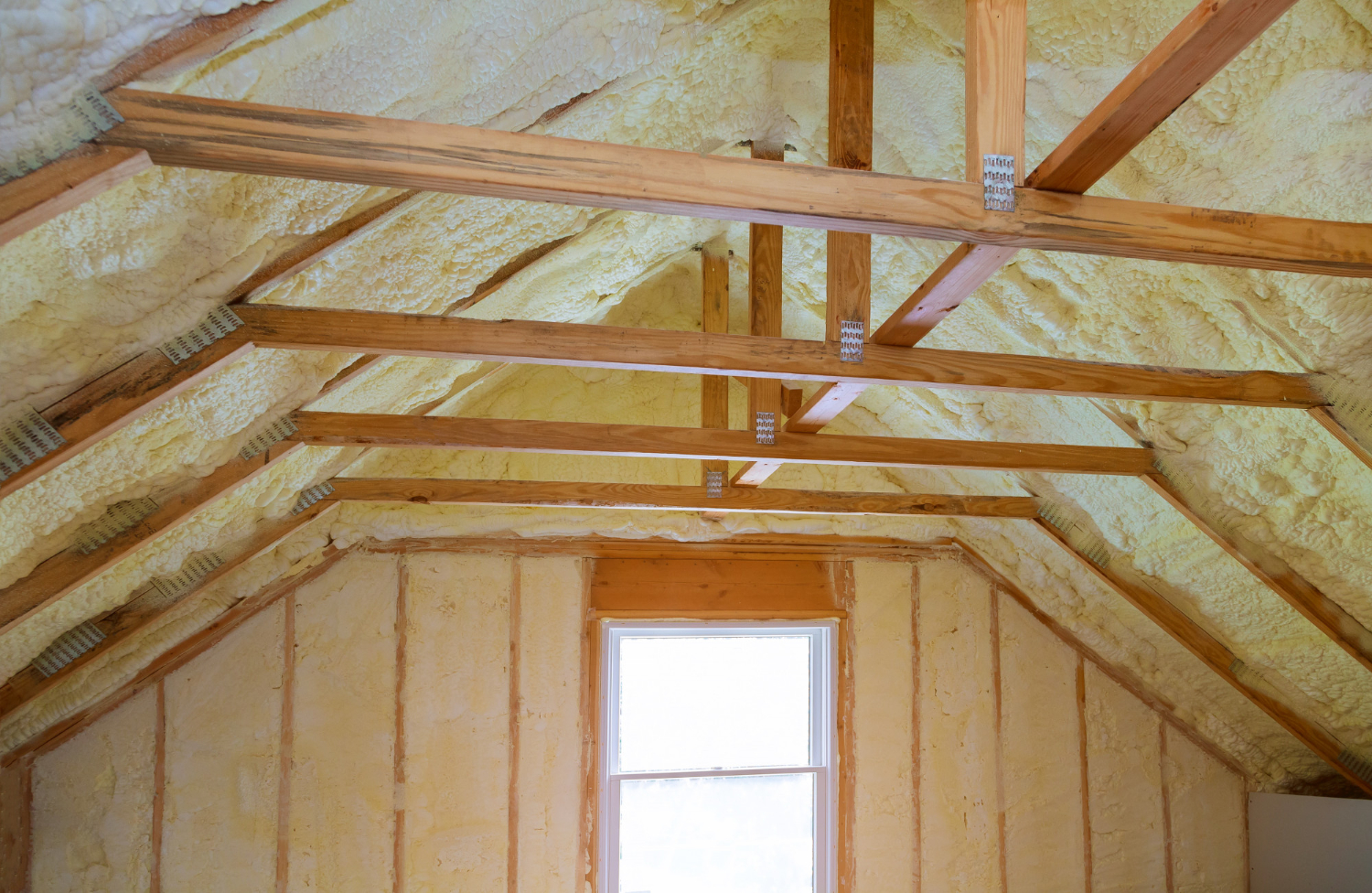
Maryland summers are no joke. The combination of high heat, thick humidity, and older housing stock creates the perfect conditions for your attic to work against you every single day of the cooling season. A summer attic inspection in Maryland gives homeowners a clear picture of exactly what is happening overhead, and it often reveals problems that no amount of new HVAC equipment can fix on its own.
Most homes across the greater DMV area were built before 2000, and the insulation standards in place back then were far lower than what Maryland requires today. That gap between what your attic has and what it needs shows up directly on your electric bill. The heat radiating down through an under-insulated ceiling makes your AC run longer, work harder, and wear out faster than it should.
This article covers the inspection process from start to finish: what a professional looks for, the specific problems summer conditions surface that you cannot find in winter, and how an inspection sets the stage for upgrades that actually fix comfort issues at the source. If you have been putting off an attic inspection, this is the season where delaying it costs you the most.
In this article, you will learn about:
- Why summer is the best time to inspect a Maryland attic
- What a professional attic inspection actually covers
- The most common problems found in Maryland homes
- How insulation and air sealing work together to stop heat gain
- What happens after an inspection and how to act on the findings
Keep reading to understand why tackling your attic before the worst heat arrives is one of the highest-return efficiency moves a Maryland homeowner can make.
Why summer is the best time to inspect a Maryland attic
Attic inspections can happen any time of year, but summer creates conditions that make problems impossible to miss. Heat stress tests everything at once: insulation gaps, air leaks, ventilation failures, and moisture issues all show their full impact when outdoor temperatures push into the 90s and your AC is running around the clock.
Waiting until fall means you have already paid for a full summer of problems you might have caught in May.
The heat tells the story that winter cannot
In winter, a poorly insulated attic mostly shows up as cold drafts and slightly higher heating bills. In summer, the stakes are completely different. Attic air temperatures in Maryland homes during peak season can climb to 150 degrees or more, according to energy auditors working in the state. That superheated air creates constant downward pressure on your living space, which forces your air conditioner to run far longer cycles than your home actually needs.
The gap between attic temperature and the temperature your AC is trying to maintain becomes visible in two ways: rooms that never quite cool down, and electric bills that keep climbing no matter how low you set the thermostat. Both symptoms point to the same root cause. Knowing whether you are dealing with an insulation depth problem, an air sealing failure, or a ventilation issue, or all three, is exactly what an attic insulation replacement evaluation tells you.
Maryland's climate zones set the standard
Maryland falls primarily within Climate Zone 4, with western portions of the state classified as Zone 5. According to the University of Maryland Extension, the U.S. Department of Energy recommends that existing attics in Maryland reach at least R-49, with R-60 being ideal for maximum efficiency. R-value measures how well insulation resists heat flow, so a higher number means more resistance and less heat transferred into your living space.
Homes built before modern energy codes were adopted are likely to fall well short of that target. If you are already wondering how to tell if your attic needs more insulation, the signs of poor home performance described in that link are often clearest during a Maryland summer, not in October when the pressure to act has passed.
Summer exposes moisture and ventilation failures faster
Maryland's humid summers push significant moisture into attic spaces through air leaks in the ceiling below. When that humid indoor air hits the cooler underside of the roof deck, it condenses, and that moisture creates conditions for wood damage and structural deterioration over time.
A winter inspection can miss early moisture accumulation because the attic is too cold for active condensation to show clearly. In summer, the combination of heat, humidity, and active HVAC operation makes ventilation failures obvious. Inspectors can identify bathroom and kitchen exhaust fans venting directly into the attic rather than outside, staining on the roof sheathing, and the early signs of attic humidity problems that get dramatically worse if left unaddressed through another heating season.
What a professional attic inspection actually covers
A thorough inspection is not a quick look with a flashlight. A qualified inspector works through the attic systematically, evaluating insulation depth and coverage, air sealing integrity, ventilation performance, the condition of any ductwork running through the space, and signs of moisture or pest intrusion.
Each of these categories connects to the others. An attic with decent insulation but significant air leaks still loses a large portion of its performance value. Getting a complete picture requires checking all of them together.
Measuring current insulation depth and coverage
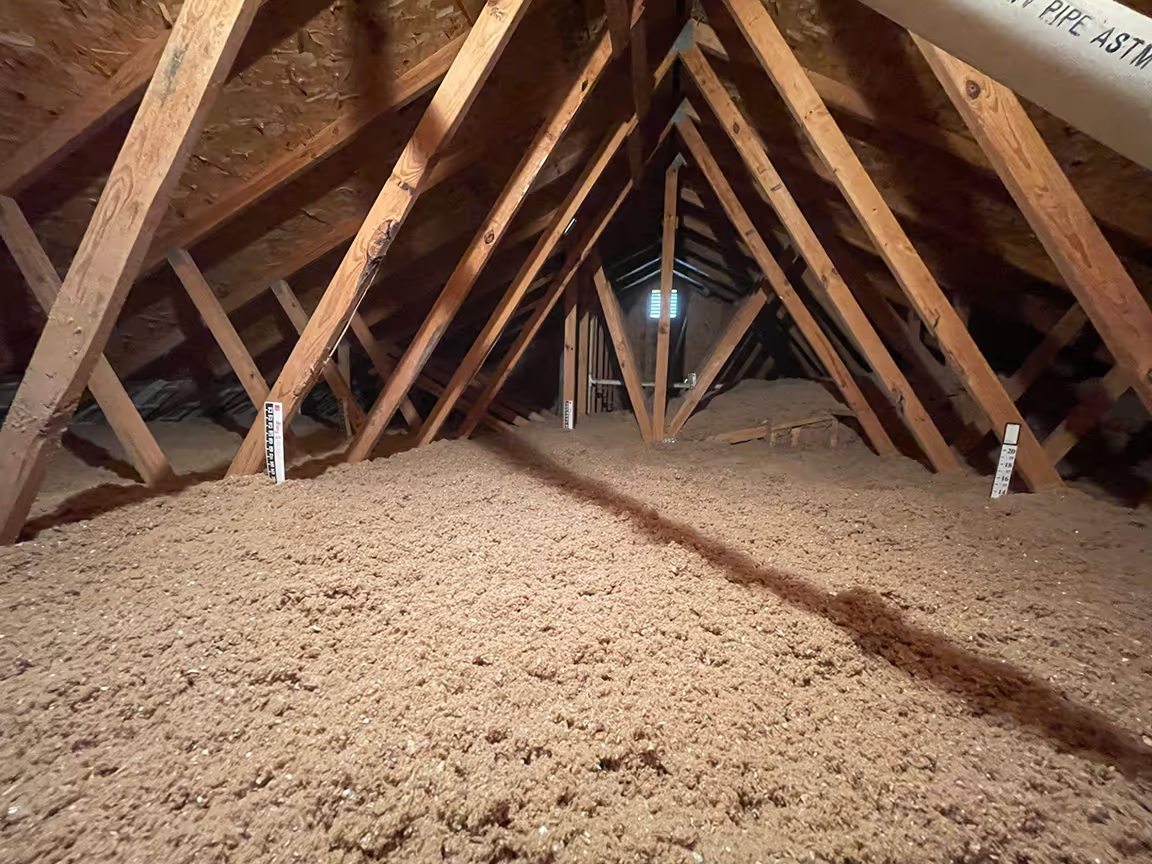
The first thing an inspector does is measure how much insulation is present and whether it is evenly distributed across the floor. Insulation that has settled, shifted, or been compressed by foot traffic over the years loses R-value. Areas near the eaves, around recessed light fixtures, and at the attic hatch are the most common gaps, and these spots are easy to miss in a casual self-inspection.
According to ENERGY STAR, homes with low attic insulation levels and air leaks can run utility bills 10 percent or more above a comparable well-insulated home. That gap adds up quickly over a Maryland cooling season that runs from late May through September. The inspection establishes a baseline R-value reading that tells you exactly how far below the R-49 target your attic currently sits, and it answers the question that many homeowners have been putting off: do I have poor home insulation, and how bad is it?
Common insulation types found during Maryland attic inspections include:
- Blown-in fiberglass or cellulose, installed to varying depths depending on the era of construction
- Fiberglass batts, which compress and lose performance over time if walked on or disturbed
- Older rock wool products in homes built before the 1970s
- In rare cases, vermiculite, which requires asbestos testing before any disturbance
Checking air sealing at all the major leak points
Insulation slows heat transfer through material. Air sealing stops conditioned air from escaping and hot air from entering through gaps. The two work as a system, and attic air sealing does a job that no amount of additional insulation can replicate on its own.
An inspector looks for open top plates, gaps around recessed light fixtures, unsealed electrical and plumbing penetrations, and open chase spaces above interior walls. The U.S. Department of Energy notes that reducing air drafts can trim a home's energy use by 10 to 20 percent annually. In a Maryland home running the AC heavily through June, July, August, and into September, those savings translate to a real dollar figure worth calculating.
Key air leakage points inspectors target in Maryland homes include:
- Top plates where interior walls meet the attic floor
- Recessed can lights in the ceiling below
- Attic hatch covers and pull-down stair frames
- Plumbing and HVAC penetrations through the ceiling
- Dropped soffit cavities above kitchen cabinets and bathroom vanities
Evaluating attic ventilation
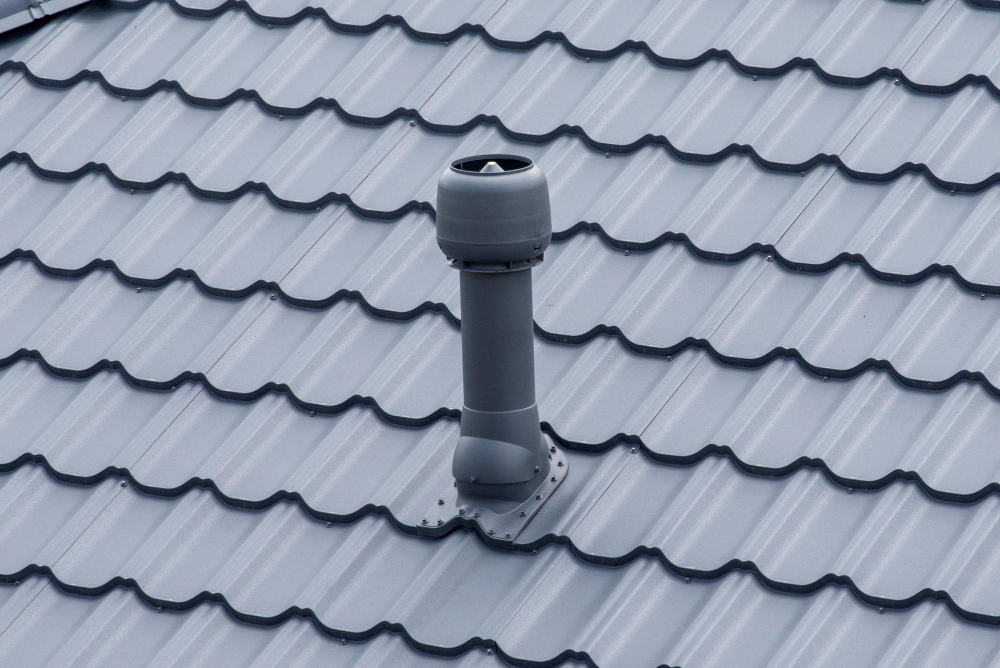
Ventilation and insulation serve separate but connected functions. Insulation keeps heat from passing through the ceiling into your living space. Ventilation moves superheated air out of the attic so it does not accumulate and radiate back down regardless of how much insulation is below it.
ENERGY STAR explains that in summer, natural airflow through a properly vented attic removes superheated air and moisture while insulation resists the heat transfer into the living space. The two components need to work together. A common installation error is blocking soffit vents with blown-in insulation, which cuts off the intake side of the ventilation system entirely. Some homeowners in this situation have explored a solar powered attic fan to supplement passive ventilation where ridge and soffit venting alone are not moving enough air.
An inspector checks that:
- Ridge vents and soffit vents are both present and unobstructed
- Baffles or rafter vents are installed to keep insulation from blocking airflow at the eaves
- Exhaust fans from bathrooms and kitchens terminate outside the home, not into the attic
- There are no signs of condensation or staining on the roof sheathing
Inspecting ductwork running through the attic
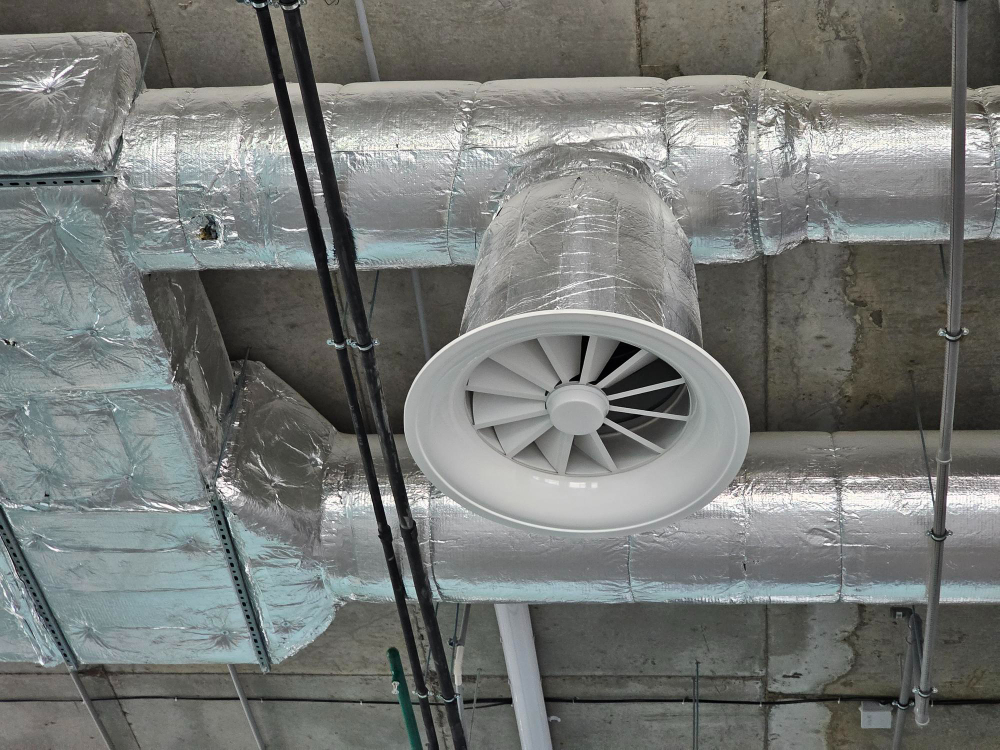
Many Maryland homes route HVAC supply and return ducts through the attic. During summer, those ducts are surrounded by air that may be 150 degrees or hotter. Even well-insulated ducts lose cooling capacity under those conditions. Leaky connections lose it dramatically.
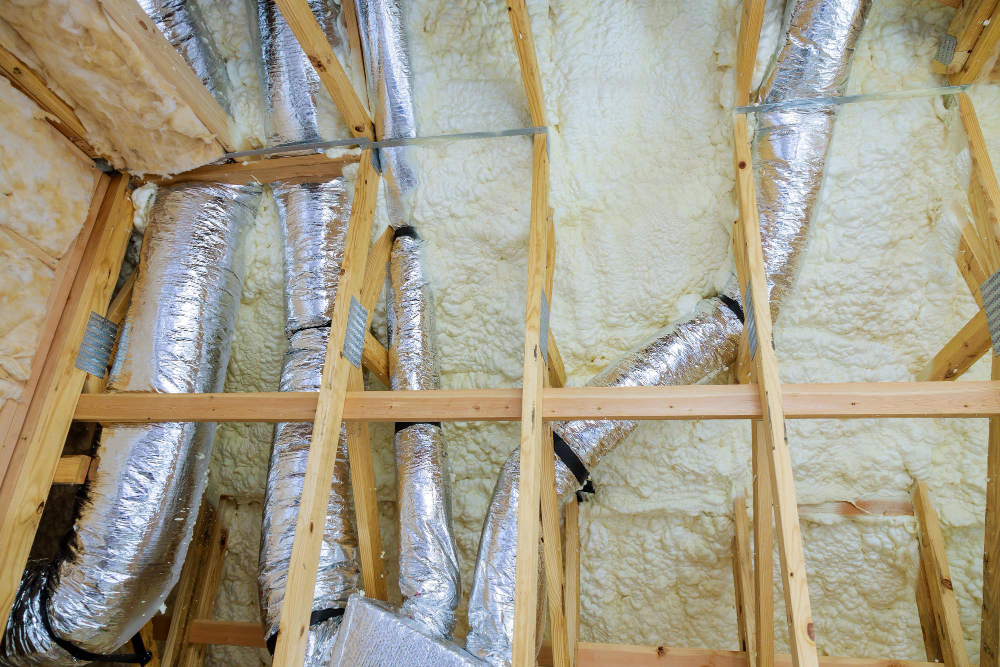
Leaky or poorly ductwork insulation causes cooling capacity to bleed into the attic before conditioned air ever reaches the living area. The inspector checks visible duct connections for gaps, examines duct insulation for deterioration, and notes any crimped or disconnected sections. Duct findings often explain why specific rooms stay warm regardless of how the thermostat is set, and they point directly to solutions that reduce AC usage without touching the equipment at all.
The most common problems found in Maryland homes
Maryland's housing stock skews older. Homes built before 2000 were constructed under insulation standards that fall well short of today's R-49 requirement. When you combine that age with the state's hot, humid summers, you get a predictable set of attic problems that show up consistently during professional inspections.
Understanding what inspectors typically find helps you prepare for what your own inspection might reveal, and it makes the follow-up conversation about solutions much easier to navigate.
Insulation that falls short of R-49
The single most common finding in Maryland attics is insulation depth below the current state requirement. Homes from the 1970s and 1980s often carry R-11 to R-19, which was acceptable under the standards of that era but represents a serious performance gap today. The question is not just whether the insulation is there; it is whether it is how effective is attic insulation enough to handle Maryland's climate conditions, and for most older homes the answer is no.
Getting from R-19 to R-49 with blown-in cellulose or fiberglass is one of the most straightforward upgrades available, and the energy impact shows up in the first full billing cycle. Homeowners unsure which material is right for their attic can compare the trade-offs using resources like spray foam insulation vs. fiberglass and what type of attic insulation is best before committing to a material.
Air leaks that cancel out whatever insulation is there
Air sealing failures are pervasive in older Maryland homes and they undercut insulation performance across the board. The stack effect drives this: as warm air rises through the house and escapes into the attic, it pulls hot outdoor air in through the lower levels to replace it.
This is why whole house ventilation systems and air sealing are often discussed together in Maryland home performance work. Correcting the attic's air leakage is foundational before any mechanical ventilation upgrade can deliver its full value. Inspectors in Maryland homes routinely find:
- Significant gaps at top plates running the full length of interior walls
- Recessed lights that are unrated for attic contact and completely unsealed
- Chase spaces above interior walls that open directly into the attic
- Attic hatches with no insulation on the back and no weatherstripping on the frame
Blocked or inadequate ventilation
Blocked ventilation is found often in homes where insulation was added without proper installation of baffles at the eaves. When blown-in insulation fills the rafter bays all the way to the soffit, the intake side of the ventilation system is cut off, and the attic builds heat rapidly because there is no exit route for the hot air.
Summer inspections surface this clearly. The evidence is visible: extremely high attic temperatures relative to outdoor air, discolored roof sheathing, and sometimes early-stage wood damage along the rafters and decking. This is the kind of problem that also affects attic air sealing projects because fixing ventilation and completing an air seal correctly requires understanding the full airflow picture, not just adding material.
Moisture damage and condensation
Maryland's humid summers create real moisture risk in attics with ventilation problems or air sealing failures. When warm, humid air from the living space migrates up through ceiling penetrations and meets the cooler roof structure, it deposits moisture. Over a full season that accumulation builds.
Finding condensation problems in the attic early, during a summer inspection before damage has progressed, is far less expensive than discovering it during a winter roofing project. Inspectors note discoloration, staining, and soft spots in the roof sheathing as indicators of moisture that has been cycling through the space. Where existing insulation has been compromised by moisture, the question of insulation removal before replacement becomes part of the conversation.
Older homes with specific retrofit challenges
Maryland has a significant stock of homes built before 1950, and these properties present attic inspection findings that differ from the typical post-war ranch or colonial. Knob-and-tube wiring, unusual framing configurations, and limited access points all affect what can be installed and how. The best insulation options for old houses differ from new construction recommendations in important ways, and an experienced inspector will flag these conditions so the upgrade plan accounts for them rather than running into surprises mid-project.
Older attics also have a higher likelihood of vermiculite insulation, which requires asbestos testing before any disturbance. An inspection that identifies this early prevents a routine upgrade from turning into an abatement situation without warning.
How insulation and air sealing work together to stop heat gain
An attic inspection is valuable in part because it reframes the problem. Many homeowners assume that a hot upper floor or a struggling AC means the equipment needs replacing. Often, the real issue is that the equipment is working fine but fighting physics it cannot overcome, because the attic above is not doing its job.
Insulation and air sealing are the two tools that change those physics. They work differently but together, and understanding how each contributes helps make the case for doing them in the right order.
Insulation slows heat transfer through the ceiling
Insulation creates thermal resistance. It does not stop heat from eventually moving through a material, but it dramatically slows the rate of transfer. The difference between R-19 and R-49 is not just a number: it is the difference between an attic that dumps heat into your upper floor all afternoon and one that gives your AC a realistic chance to keep up.
The practical effect shows up in two ways. First, peak indoor temperatures on hot summer days stay lower because the rate of heat gain through the ceiling is reduced. Second, the AC recovers more quickly after the doors and windows have been opened, because there is less stored heat in the ceiling structure to overcome. Understanding the physics of how insulation cools your house helps clarify why the ceiling is the priority, ahead of walls and windows, for most Maryland homes trying to reduce cooling costs.
Air sealing stops the bypass that makes insulation ineffective
Insulation slows heat through material. Air sealing stops heat from traveling around it. An unsealed attic floor with R-38 of blown-in insulation still has open pathways for hot attic air to move through wall cavities and into the living space below.
The sequence matters. Complete air sealing before adding insulation. Once the major air pathways are closed, insulation on top completes both the thermal and air boundary at the same time. The combination consistently produces better results than insulation alone, and projects that include both components qualify for higher rebate tiers through Maryland utility programs. Homeowners who have already upgraded insulation but skipped air sealing often find that a seasonal insulation checkup turns up exactly this gap.
Moisture control is part of the same system
An attic that is properly air-sealed and insulated to R-49 also handles moisture better than one that is not. When humid air from the living space cannot migrate freely into the attic through ceiling penetrations, the volume of moisture reaching the roof deck drops substantially.
This is where moisture control insulation becomes relevant beyond just the comfort and energy savings conversation. In Maryland's climate, moisture in the attic is not a cosmetic problem. It is the precondition for insulation mold growth and the structural damage that follows when condensation cycles through wood framing season after season. An inspection that catches inadequate moisture management early points directly to mold-resistant insulation options and air sealing strategies that prevent the problem rather than remediate it.
What the thermal barrier means in practice
The term thermal barrier insulation refers to the complete assembly: the combination of air sealing, insulation material, depth, and coverage that together form a consistent boundary between conditioned and unconditioned space. A thermal barrier with gaps, compression, or bypasses is not a functional barrier regardless of how much material is present.
During a summer inspection, a professional can identify where the thermal barrier is intact and where it is failing. That assessment, translated into a prioritized work scope, is what lets a residential insulation installation service deliver predictable results rather than improvements that fall short because the root problems were not fully mapped before the work began.
What happens after an inspection and how to act on the findings
An inspection produces findings, not just impressions. You should leave with a clear report that tells you what was found, what the current R-value is, what air sealing or ventilation problems were identified, and what the recommended sequence of improvements looks like. That report is what you use to make decisions, apply for utility rebates, and set priorities.
Knowing what to do with the report, and in what order, is where many homeowners stall. The following section breaks down the typical post-inspection path.
Reading your report and setting the right sequence
Not every finding requires immediate action. Inspectors distinguish between what is causing active performance problems right now, what will cause problems if left alone, and what represents an opportunity for efficiency improvement without urgent downside.
A typical inspection report for a Maryland home might show:
- Air sealing needed at top plates, recessed lights, and attic hatch (do this first)
- Insulation at R-19, target R-49 (add after air sealing is complete)
- One bathroom exhaust fan venting into the attic rather than outside (fix before insulating)
- Soffit vents partially blocked by existing blown-in material (correct during insulation upgrade)
- No moisture barrier confirmed under existing insulation (evaluate with contractor)
Working through items in roughly this order produces the best performance outcome and the most rebate value because each step builds on the one before it. Homeowners who skip straight to insulation without air sealing first are leaving money and performance on the table, and they may face a wall insulation replacement or attic redo sooner than necessary.
Choosing the right insulation material for Maryland's climate
Blown-in cellulose and blown-in fiberglass are the two most commonly used materials for attic upgrades in Maryland, and both perform well in the state's Climate Zone 4 conditions. The comparison of blown-in vs. spray foam insulation attic options covers the trade-offs in detail for Maryland homeowners, including cost differences, R-value per inch, and which applications favor each material.
Spray foam is used selectively for air sealing at penetrations and around the perimeter where the attic floor meets the exterior walls. It is rarely the right choice for covering the entire attic floor because of cost, but it is the best product for closing the penetrations that blown-in material cannot reach. If environmental considerations matter to you, non-toxic attic insulation options and low VOC insulation materials are widely available and perform comparably to conventional products at current R-value targets.
Timing upgrades and maximizing Maryland utility rebates
The best time to schedule attic installation work is late spring or early fall, when the attic is accessible at reasonable temperatures for the crew. Inspections, however, can happen any time, and scheduling yours in summer means you capture data from the most thermally stressed period of the year.
Submitting work for BGE and Pepco Home Performance with ENERGY STAR rebates requires starting with a certified energy audit, which is also how you qualify for the attic insulation tax rebate available to Maryland homeowners. Getting the inspection done now establishes your baseline, confirms eligibility, and lets you schedule installation for early fall when crews are more available and attic conditions are manageable.
For homeowners whose home energy audit turns up multiple problem areas beyond just the attic, the audit report helps sequence the full scope of insulation upgrade services so that improvements stack correctly and each one builds the foundation for the next.
Conclusion
A summer attic inspection in Maryland is not a routine checkup. It is a diagnostic that tells you precisely where your home is losing the efficiency battle, and it gives you a concrete path to fixing the problem before another cooling season drains more money in wasted energy. The combination of Maryland's older housing stock and its demanding summer climate makes the attic the highest-leverage point in the whole house, and an inspection is how you find out exactly what needs to change.
The most important step is getting that first look done by someone who knows what they are looking for. An inspection that confirms things are in good shape has real value, because it rules out the attic as a factor. An inspection that turns up the problems described here gives you a prioritized work scope, rebate eligibility, and a starting point for upgrades that will pay for themselves in energy savings over time.
When you are ready to get a clear picture of what your attic is doing this summer, Terra Insulation is ready to help.