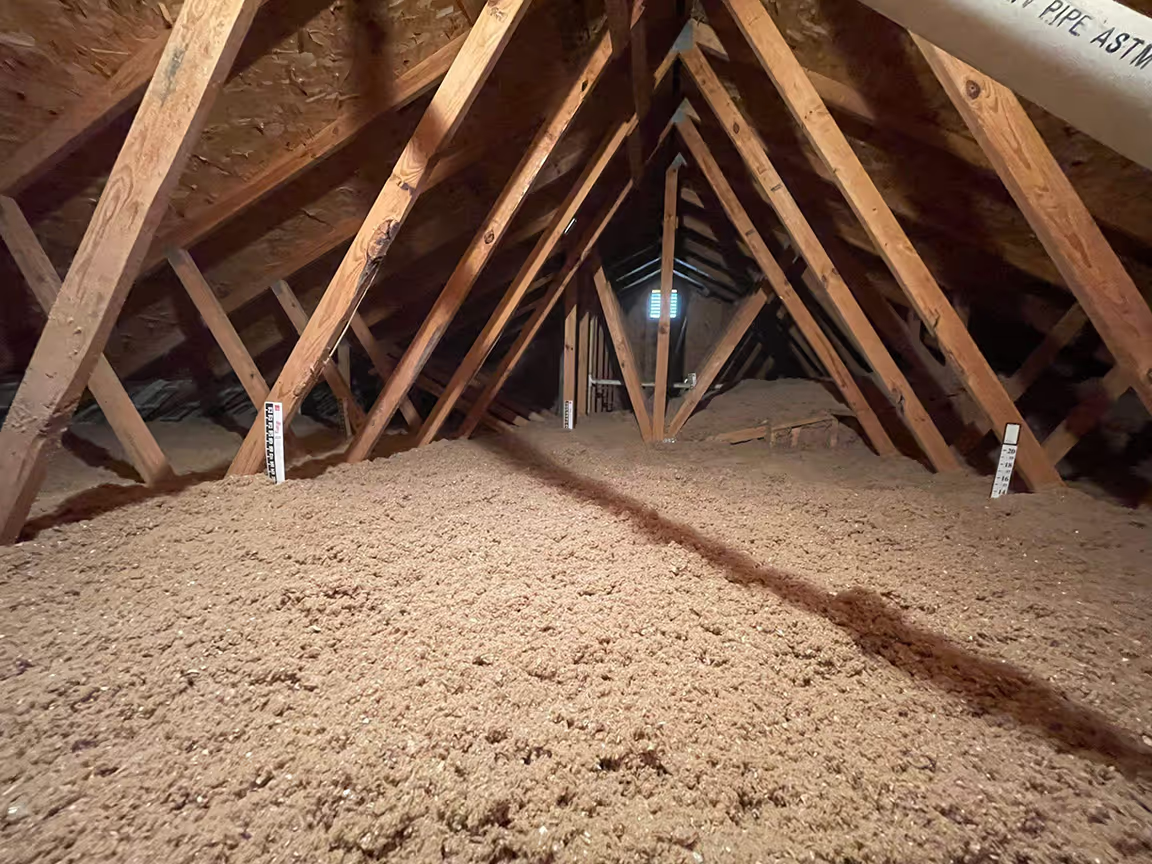


Virginia's hot and humid summers can turn your attic into an oven, with temperatures climbing as high as 160 degrees on the hottest days. This extreme heat doesn't just stay in your attic. It seeps into your living spaces and forces your air conditioning system to work harder than it should.
A solar-powered attic fan uses energy from the sun to pull hot air out of your attic automatically, which can lower attic temperatures by up to 40 degrees and reduce the strain on your cooling system. These fans run during the hottest parts of the day without adding to your electric bill. They also help control moisture that can damage your insulation and roof.
A solar powered attic fan in Virginia addresses the root cause of summer heat problems by actively removing trapped hot air before it drives up your cooling costs or compromises your insulation's performance.
In this article, we cover:
- How attic heat builds up in Virginia homes
- Impact of high attic temperatures on cooling systems
- Advantages of solar-powered attic ventilation
- Key factors for a successful installation
- Long-term benefits for Virginia homeowners
Keep reading to learn how solar attic ventilation can lower your energy bills, reduce HVAC strain, and protect your home from heat and moisture damage year-round.
How attic heat builds up in Virginia homes
Virginia's hot, humid summers create perfect conditions for attics to trap extreme heat. Poor ventilation and direct sun exposure turn attics into ovens that affect your entire home's comfort and cooling costs.
Why attic temperatures soar during Virginia summers
Virginia summers bring intense heat and humidity that your attic absorbs throughout the day. When the sun beats down on your roof, temperatures can climb to 150 degrees or higher in poorly ventilated attic spaces.
Dark-colored roofing materials absorb even more heat than lighter ones. Asphalt shingles, common in Virginia homes, act like heat magnets during peak summer months from June through August.
The state's humid climate makes the problem worse. Moisture in the air holds heat longer, preventing your attic from cooling down even after sunset. This creates a cycle where heat accumulates day after day.
Factors that increase attic heat in Virginia:
- Direct southern sun exposure on roof surfaces
- Limited or blocked soffit vents
- Inadequate ridge ventilation
- Dark roofing materials
- Poor attic insulation that allows heat transfer
How trapped heat affects the rooms below
Heat doesn't stay confined to your attic. It radiates down through your ceiling into your living spaces, making your second floor unbearably warm.
Your air conditioning system has to work much harder to counteract this heat transfer. This constant strain increases your energy bills and puts unnecessary wear on your HVAC equipment.
The rooms directly below your attic feel the impact most. Bedrooms on upper floors become stuffy and uncomfortable, making sleep difficult during summer nights. Your thermostat might read 72 degrees downstairs while upstairs rooms feel 5-10 degrees warmer.
Signs excessive attic heat is impacting home comfort
Your upstairs rooms feeling noticeably warmer than downstairs is the clearest warning sign. You might find yourself constantly adjusting the thermostat without getting relief.
High electricity bills during summer months indicate your AC is running overtime. If your costs spike significantly compared to spring or fall, trapped attic heat is likely the culprit.
Physical signs to watch for:
- Hot ceilings on upper floors
- Uneven cooling between floors
- AC running constantly without reaching set temperature
- Musty odors from heat-trapped moisture
- Warped or damaged attic materials
Your HVAC system cycling more frequently than normal means it's struggling. Short cycling wears out components faster and reduces efficiency while failing to maintain comfortable temperatures throughout your home.
Impact of high attic temperatures on cooling systems
When your attic reaches extreme temperatures during Virginia's hot summers, the heat doesn't stay contained above your living space. It forces your air conditioning system to work harder and run longer, which drives up energy bills and shortens the lifespan of your cooling equipment.
The connection between attic heat and cooling costs
Your attic can reach temperatures between 130 and 160 degrees on a typical summer day in Virginia. This creates a massive heat pocket directly above your living space that radiates downward through your ceiling.
According to the U.S. Department of Energy, heating and cooling buildings accounts for approximately 35% of all energy consumption in the United States, making it the largest single energy end use for homes and businesses.
When heat pushes down from above, your air conditioner must combat both the outdoor temperature and this additional heat source. Studies show that reducing attic temperatures can lower air conditioning costs by up to 30%.
The temperature difference matters significantly. If your attic sits at 150 degrees while your home stays at 72, that 78-degree gap creates constant heat transfer. Your cooling system runs more cycles throughout the day to maintain comfortable temperatures, which adds up quickly on your monthly energy bills.
Why insulation alone cannot remove trapped hot air
Insulation slows heat transfer, but it doesn't eliminate the heat itself. Once hot air gets trapped in your attic, insulation simply keeps it there longer.
Think of insulation as a blanket that works in both directions. It prevents cool air from escaping your home, but it also traps the extreme heat building up in your attic space. The insulation reduces heat flow but creates a barrier that prevents hot air from escaping.
Static ventilation systems like ridge vents and soffit vents rely on natural airflow, which often isn't enough during peak heat hours. Without active air removal, temperatures continue to climb even with proper insulation installed. The heat has nowhere to go, so it accumulates throughout the day.
How heat buildup increases HVAC system strain
Your HVAC system works against attic temperatures that can exceed 140 degrees during summer months. This forces the unit to run longer cycles and consume more energy to maintain your desired indoor temperature.
The compressor and fan motor experience increased wear when they operate for extended periods. Parts designed to last 15-20 years may fail after 10-12 years when constantly overworked.
Your ductwork typically runs through the attic space. When surrounded by extreme heat, cool air traveling through these ducts warms up before reaching your living areas. According to DOE Building America research, ducts in unconditioned vented attics increase heating and cooling energy use by 10%, and duct air leakage commonly exceeds 20% of total conditioned airflow.
The strain becomes most apparent during peak afternoon hours when attic temperatures reach their highest points. Your system may struggle to keep up with cooling demands, leading to inconsistent temperatures throughout your home.
Advantages of solar-powered attic ventilation
Solar-powered attic ventilation offers Virginia homeowners a way to reduce cooling costs while keeping their homes more comfortable during hot summers. These systems work without adding to your electric bill and require minimal maintenance over their lifespan.
How solar energy powers attic ventilation throughout the day
A solar attic ventilation fan uses a photovoltaic panel mounted on your roof to convert sunlight into electricity. This panel powers a fan that pulls hot air out of your attic space without connecting to your home's electrical system.
The system operates automatically when the sun shines. As temperatures rise during the day, the solar panel produces more energy, which increases the fan's speed. This means your ventilation works hardest exactly when your attic needs it most.
Virginia's climate provides enough sunlight to power these fans effectively during spring, summer, and fall. The panels collect direct and indirect sunlight, so they work even on partly cloudy days. You don't need to flip any switches or program timers because the fan runs entirely based on available solar energy.
What happens to hot air once ventilation improves
When hot air exits through your solar attic ventilation fan, cooler air enters through your soffit vents or other intake points. This creates continuous airflow that can lower attic temperatures by 20 to 50 degrees Fahrenheit.
Lower attic temperatures reduce the heat that transfers into your living spaces below. Your air conditioning system doesn't have to work as hard to maintain comfortable indoor temperatures. This decreased workload can extend the life of your HVAC equipment.
Improved ventilation also reduces moisture buildup in your attic. Less moisture means lower risk of mold growth, wood rot, and damage to insulation. Your roof shingles may last longer too because extreme heat accelerates their deterioration.
Why homeowners choose solar-powered solutions over electric fans
Electric attic fans add to your monthly utility bills and require professional wiring during installation. Solar-powered options eliminate these ongoing costs and work off-grid from day one.
Solar fans install more easily because they don't need electrical connections. You avoid the expense of running wiring to your attic and the hassle of dealing with circuit breakers or electrical permits.
These systems provide over 15 years of reliable operation with minimal upkeep. You never pay for the electricity they consume, and they reduce your cooling costs by decreasing the burden on your air conditioning system. Virginia homeowners also appreciate that solar options align with environmental goals while delivering practical benefits for home comfort.
Key factors for a successful installation
A successful solar attic fan installation in Virginia depends on proper placement, preparing your attic space correctly, and choosing the right installation approach for your home's specific needs.
Roof placement factors that affect fan performance
The location of your solar attic fan on your roof directly impacts how well it works. You need to install the fan on a south-facing roof section that gets direct sunlight for most of the day. Virginia's climate means your roof should receive at least 5-6 hours of unobstructed sun exposure.
Shade from trees, chimneys, or nearby buildings will reduce the fan's power output. Even partial shade can cut efficiency by 30% or more.
The fan should be placed near the roof's peak where hot air naturally collects. This position allows the fan to pull out the hottest air first. You also need to ensure proper intake vents exist near the eaves or soffits to allow fresh air to enter as hot air exits.
According to the U.S. Department of Energy, radiant barriers installed in attics can reduce cooling costs by 5% to 10% in warm, sunny climates by reflecting radiant heat rather than absorbing it, a strategy that pairs well with active attic ventilation.
Key placement considerations:
- South or southwest-facing roof sections work best
- Minimum 5-6 hours of direct daily sunlight
- Location near the roof peak for optimal hot air removal
- Clear of obstructions like vents, pipes, or skylights
Common attic conditions that should be addressed first
Your attic must be properly sealed before you install a solar attic fan. An unsealed attic will pull conditioned air from your living space, which wastes energy instead of saving it.
Check for gaps around light fixtures, plumbing vents, and attic access doors. These need to be sealed with appropriate materials. Your attic insulation should meet Virginia's recommended R-value of R-38 to R-49.
Moisture problems must be fixed before installation. Look for water stains, mold, or dampness that indicate roof leaks or condensation issues. A solar attic fan will help with moisture control, but it can't fix existing water damage or active leaks.
Make sure your roof is in good condition. Installing a fan on a roof that needs replacement within a few years means you'll have to remove and reinstall the fan later.
Why professional installation helps maximize efficiency
Professional installers know Virginia's building codes and can ensure your solar attic fan installation meets all requirements. They have experience determining the right fan size based on your attic's square footage and your home's specific ventilation needs.
A professional can properly assess your roof structure and choose the safest mounting location. They'll cut the roof opening to exact specifications and seal it correctly to prevent leaks. Improper sealing is the most common cause of roof damage during DIY installations.
Professionals also ensure adequate intake ventilation exists. Many homeowners install exhaust fans without enough intake vents, which reduces efficiency and can cause negative pressure problems. Licensed installers typically offer warranties on their work, protecting you from potential installation defects or water damage issues.
Long-term benefits for Virginia homeowners
Solar-powered attic fans offer lasting advantages that extend beyond monthly utility savings. These systems protect your home's structure, preserve roofing materials, and maintain indoor comfort through Virginia's humid summers and cold winters.
Reducing moisture accumulation inside the attic
Moisture buildup in your attic creates serious problems for Virginia homes. The state's humid climate makes attics vulnerable to condensation, especially during summer months when hot outdoor air meets cooler indoor temperatures.
A solar attic fan removes this moisture-laden air before it causes damage. The constant ventilation prevents water vapor from settling on wooden beams, insulation, and other structural elements. This protection matters because trapped moisture leads to mold growth, wood rot, and compromised insulation performance.
You'll notice better air quality throughout your home when your attic stays dry. Mold spores can't spread through your HVAC system when they never develop in the first place. The fan works hardest during peak humidity hours, which aligns perfectly with when solar panels generate the most power.
Your insulation maintains its R-value when it stays dry. Wet insulation loses up to 40% of its effectiveness, forcing your heating and cooling systems to work harder year-round.
Supporting longer-lasting roofing materials
Your roof endures significant stress from heat and moisture in Virginia's climate. Solar attic fans reduce attic temperatures by 20-30 degrees during summer, which directly protects your roofing materials from heat damage.
Asphalt shingles deteriorate faster when exposed to extreme heat from below. High attic temperatures cause shingles to become brittle and crack prematurely. By keeping attic temperatures lower, you extend your roof's lifespan by several years.
The ventilation also prevents ice dams during Virginia winters. When warm attic air melts snow on your roof, water refreezes at the eaves and creates damaging ice formations. A well-ventilated attic maintains more consistent temperatures, reducing this cycle.
Wooden roof decking benefits from the reduced moisture and heat exposure. The deck stays structurally sound longer when it's not constantly expanding and contracting from temperature swings or absorbing excess humidity.
Creating a more energy-efficient and comfortable home year-round
Energy efficient attic solutions Virginia homeowners install pay dividends in every season. Your HVAC system runs less frequently when your attic isn't radiating excess heat into living spaces below.
Summer cooling costs drop measurably when attic temperatures stay moderate. Many Virginia homeowners report 10-15% reductions in summer electricity bills after installing solar attic fans. These savings continue year after year without adding to your electric bill since the fan runs on solar power.
Winter heating efficiency improves too. Proper attic ventilation prevents warm indoor air from condensing in your attic space, which would otherwise dampen insulation and reduce its effectiveness.
Your second floor stays more comfortable throughout the day. Bedrooms directly below the attic no longer become uncomfortably warm on summer afternoons. You'll use your air conditioning less while maintaining better comfort levels in all rooms.
The system requires virtually no maintenance and operates automatically based on temperature and sunlight availability. You get consistent performance without ongoing costs or effort.
Conclusion
A solar powered attic fan can be a smart choice for your Virginia home. These fans work well in the state's hot summers when attic temperatures can reach 160 degrees or higher.
You won't pay electricity costs to run the fan since it uses energy from the sun. The installation is simpler than electric fans because you don't need complicated wiring or electrical work.
Virginia's climate makes solar attic fans effective for most of the year. The state gets enough sunlight to power these fans during peak heat periods.
You should check your attic's current condition before buying a fan. The fan works best when you have proper insulation and sealed air leaks. Some solar attic fans may qualify for tax credits, which can help offset the initial cost.
The fan requires minimal maintenance once installed. You just need to keep the solar panel clean and check the fan periodically.
Consider your home's specific needs when choosing a model. Look at the fan's airflow capacity, solar panel size, and warranty coverage. A properly sized fan will give you the best results for your attic space. Contact Terra Insulation to discuss whether a solar attic fan is the right fit for your Virginia home and to schedule a professional attic assessment.