

Your home's heating and cooling system works hard to keep you comfortable, but without proper ductwork insulation, much of that conditioned air never makes it to your living spaces. In Maryland, where summers bring intense heat and winters can be harsh, uninsulated or poorly insulated ducts can waste up to 30% of your HVAC system's energy. HVAC duct insulation in Maryland protects your ductwork from temperature extremes, prevents energy loss, and ensures the air you pay to heat or cool actually reaches the rooms where you need it.
Most homeowners don't think about their ductwork until problems appear. You might notice some rooms stay too hot or too cold, or your energy bills keep climbing without explanation. These issues often trace back to ducts that lack adequate insulation, especially when those ducts run through unconditioned spaces like attics, crawl spaces, or basements.
Ductwork insulation in Maryland is one of the most effective ways to close the gap between what your HVAC system produces and what your rooms actually receive. Addressing duct performance helps reduce strain on equipment, control moisture issues, and keep indoor temperatures consistent across every level of your home.
In this article, we cover:
- When conditioned air fails to reach living spaces
- Challenges posed by high temperatures on duct systems
- Beyond energy efficiency: additional advantages of insulated ducts
- Addressing moisture and condensation concerns
- The value of professional duct insulation services
Keep reading to learn how insulated ductwork protects your comfort, your equipment, and your monthly energy costs throughout every season in Maryland.
When conditioned air fails to reach living spaces
Your HVAC system works hard to cool your home, but without proper duct insulation, much of that conditioned air never makes it to your living rooms and bedrooms. Heat transfer through duct walls and air leakage can waste 20-30% of your cooling energy before it reaches the spaces you're trying to keep comfortable.
How uninsulated ducts lose conditioned air in hot attic spaces
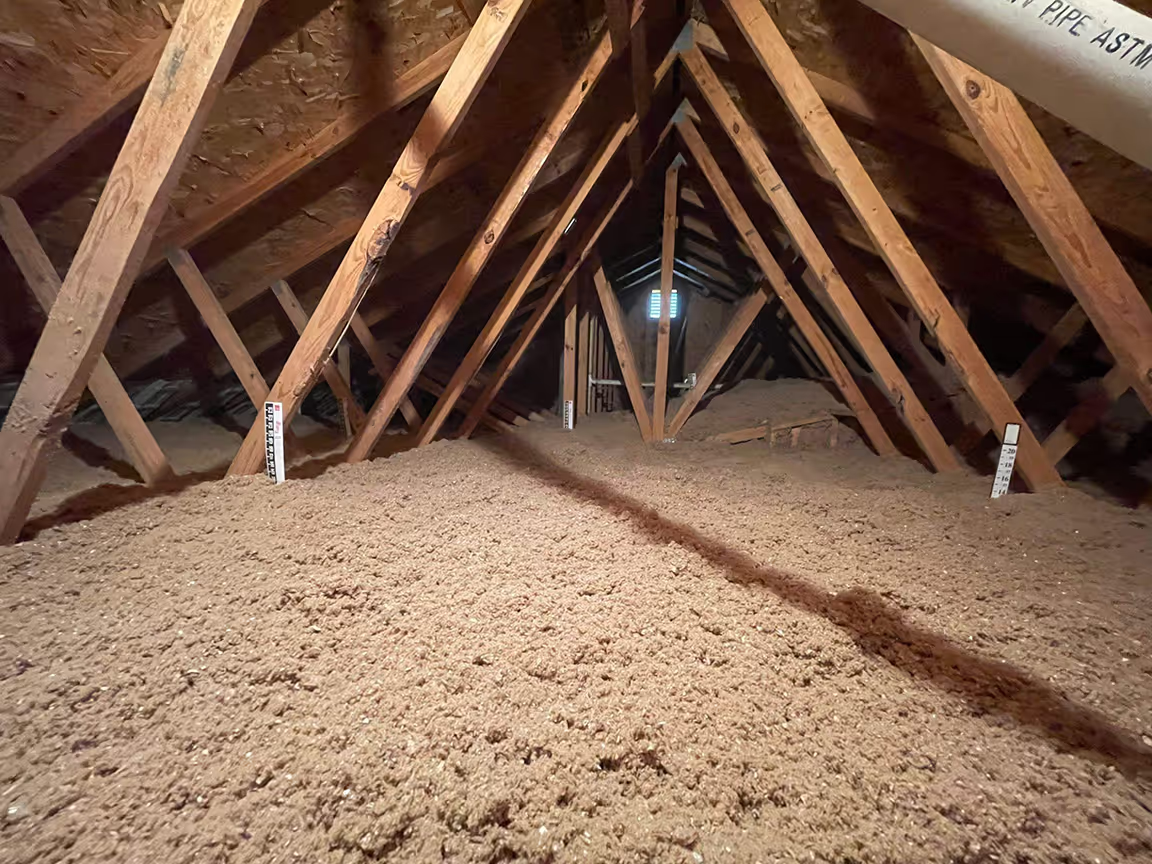
Attics in Maryland regularly reach 130-150 degrees during summer months. When your cold air ducts pass through this extreme heat without insulation, the temperature difference causes rapid heat transfer into the ductwork.
The 55-degree air leaving your air handler can warm up by 15-20 degrees before reaching your vents. This means your system must run longer cycles to achieve the same cooling effect.
Metal ducts conduct heat especially well, making the problem worse. The outer duct surface absorbs heat from the surrounding attic air while your conditioned air flows inside. Without an insulated barrier between these two temperature zones, physics works against your comfort.
According to the U.S. Department of Energy, typical duct systems running through attics or crawl spaces can lose between 25% and 40% of the heating or cooling energy they carry before that air reaches living spaces.
Common heat transfer points include:
- Straight duct runs spanning long attic sections
- Duct joints and connections
- Flexible duct material with thin or damaged insulation layers
- Supply plenums located in unconditioned spaces
Why cooling performance drops during peak summer temperatures
Your air conditioner operates at maximum capacity when outdoor temperatures hit 90 degrees or higher. Uninsulated ducts in hot attics create an additional heat load that your system wasn't designed to handle.
The temperature differential between your duct interior and the attic space increases during the hottest hours. This forces your HVAC equipment to work harder and run longer to maintain your thermostat setting.
Multi-stage and variable capacity systems face particular challenges. These units should cycle on and off or adjust their output based on cooling demand. When ducts leak energy through their walls, the system detects inadequate cooling and runs at higher stages more often than necessary.
Signs your ductwork may be wasting energy
Physical indicators:
- Moisture or condensation on exposed ductwork
- Visible gaps in existing insulation
- Compressed or missing insulation sections
- Rust or water stains on duct surfaces
Your monthly energy bills provide another clear signal. If cooling costs spike during summer months despite consistent thermostat settings, your ducts likely need attention.
Room-to-room temperature differences indicate problems too. Rooms farthest from your air handler or served by the longest duct runs will feel warmer when heat transfer robs conditioned air of its cooling capacity. You might also notice certain rooms never reach the temperature you set, forcing you to lower the thermostat and waste more energy.
Challenges posed by high temperatures on duct systems
Maryland summers bring intense heat that puts serious stress on duct systems, particularly those running through unconditioned spaces. When temperatures climb, your ductwork faces multiple challenges that directly impact energy costs and home comfort.
The effect of attic heat on ductwork performance
Attic temperatures in Maryland can reach 130 degrees or higher during summer months. When your ductwork runs through this space, the extreme heat works against your cooling system constantly.
The metal in your ducts expands as temperatures rise. This expansion creates stress on joints and connections, which can lead to air leaks over time. Your system has to work harder to maintain the temperature you set on your thermostat.
Common attic-related problems include:
- Heat transfer through duct walls that warms cool air traveling to your rooms
- Condensation forming on cold ducts surrounded by hot air
- Increased wear on duct materials from repeated expansion and contraction
- Higher energy bills from system strain
Ducts in attics need proper insulation to create a barrier between the hot environment and the cool air inside. Without this protection, you lose a significant amount of cooling before it reaches your living spaces.
Why temperature gain inside ducts affects indoor comfort
Cool air loses its effectiveness when it picks up heat during travel through your ductwork. This temperature gain means your rooms never reach the comfort level you expect.
Your air conditioner might run continuously trying to compensate for the lost cooling. Some rooms may feel warmer than others, especially those farthest from your HVAC unit. The air coming from vents feels less refreshing because it has warmed up along the way.
Energy efficient ductwork Maryland homeowners install prevents this problem by limiting heat transfer. The insulation material stops outside heat from penetrating the duct walls. This keeps your conditioned air at the right temperature from start to finish.
Your system cycles less frequently when ducts maintain proper temperatures. This reduces wear on equipment and cuts your monthly cooling costs.
Areas where cooling loss commonly occurs
Certain locations in your home are more vulnerable to cooling loss than others. Attics top the list because they trap the most heat. Garages also expose ductwork to high temperatures, especially if the space lacks climate control.
Crawlspaces present their own challenges. These areas experience both extreme heat and moisture, which affects duct performance. Basement ducts face less severe temperature issues but still benefit from insulation.
High-risk zones for cooling loss:
- Attic spaces where ducts make long runs
- Garage areas with exposed ductwork
- Crawlspaces with poor ventilation
- Transition points where ducts connect to main lines
Joints and seams leak more air than straight duct sections. These connection points need special attention during insulation installation. Unsealed gaps let cool air escape while allowing hot air to enter the system.
Beyond energy efficiency: additional advantages of insulated ducts
Insulated ductwork Maryland provides benefits that reach far beyond lower utility bills. These systems help maintain even temperatures, protect your equipment from overworking, and extend how long your HVAC system lasts.
Creating more consistent temperatures throughout the home
Uninsulated ducts lose heated or cooled air as it travels through unconditioned spaces like attics and crawl spaces. This means rooms farther from your HVAC unit often feel too hot or too cold compared to rooms closer to the system.
Insulated ductwork keeps the air at its intended temperature during transport. Your bedroom will feel as comfortable as your living room instead of being several degrees warmer or cooler.
Maryland homes face both humid summers and cold winters. Without insulation, ducts in your attic can heat up to over 130 degrees in summer or drop below freezing in winter. This temperature difference steals comfort from the conditioned air moving through those ducts.
Temperature consistency benefits include:
- Elimination of hot and cold spots between rooms
- Reduced need to adjust your thermostat throughout the day
- Better comfort in rooms located farthest from your heating and cooling equipment
- More stable humidity levels across your home
Reducing strain on heating and cooling equipment
Your HVAC system works harder when ducts leak conditioned air or allow temperature loss. The equipment runs longer cycles to reach your desired temperature, which means more frequent starts and stops.
Insulated ducts help your system deliver air at the right temperature on the first try. This reduces how often your furnace or air conditioner needs to kick on.
When your equipment runs less often, it experiences less mechanical wear. Components like compressors, blowers, and heat exchangers face reduced stress from constant operation.
Supporting longer HVAC system lifespan
Most HVAC systems in Maryland last 15 to 20 years with proper maintenance. Poor duct insulation can cut this lifespan short by forcing equipment to work beyond its designed capacity.
Insulated ductwork Maryland protects your investment by allowing your system to operate within normal parameters. Your furnace or air conditioner reaches the set temperature without strain, which preserves motors, bearings, and other critical parts.
This extended lifespan means you delay the cost of replacement. A new HVAC system costs between $5,000 and $12,000 for most Maryland homes, so adding years to your current equipment represents real savings.
Addressing moisture and condensation concerns
Ductwork without proper insulation creates conditions where warm, humid air meets cold metal surfaces, leading to moisture problems that can damage your home and reduce system efficiency.
Why poorly insulated ducts are vulnerable to condensation
When your ducts lack adequate insulation, the metal surfaces become cold from the air conditioning running through them. This creates the perfect setup for condensation to form.
Warm, humid Maryland air comes into contact with these cold duct surfaces. The temperature difference causes moisture in the air to condense into water droplets on the outside of your ductwork, similar to how a cold glass of water sweats on a hot day.
Sheet metal ducts are especially prone to this sweating problem. The condensation doesn't just disappear on its own. It can drip onto floors and ceilings, cause visible staining, and create ongoing moisture issues in your mechanical spaces.
According to the U.S. Environmental Protection Agency, indoor relative humidity should be maintained between 30% and 50% to discourage mold growth and minimize condensation on building surfaces, including uninsulated ductwork.
How moisture affects surrounding building materials
Water from condensing ducts damages more than just the ductwork itself. The moisture seeps into nearby insulation, drywall, and wooden framing members in your attic or basement.
Wet insulation loses its ability to work properly. It can also develop mold growth that spreads to other areas. Drywall that stays wet will crumble and need replacement.
Wood framing that absorbs moisture from sweating ducts can rot over time. This weakens the structural integrity of your home. Metal components near the ducts will corrode faster when exposed to constant moisture.
Your HVAC system also works harder when moisture builds up. The excess humidity makes your home feel less comfortable and increases your energy bills.
The role of insulation in protecting ductwork integrity
Proper duct insulation creates a barrier that prevents warm air from reaching cold duct surfaces. This keeps the outside surface temperature higher, which stops condensation from forming in the first place.
The insulation layer reduces the temperature swing that causes sweating. Your mechanical spaces stay drier, and you avoid the chain reaction of moisture-related problems.
Quality insulation also maintains your system's efficiency. Your cooled air stays at the right temperature as it travels through the ducts to your rooms. This means your HVAC system doesn't have to work as hard to keep your home comfortable.
Regular maintenance checks help identify areas where insulation may have gaps or damage. Addressing these weak spots quickly protects your ductwork from corrosion and extends the life of your entire system.
The value of professional duct insulation services
Professional installers assess your home's specific conditions and select materials that deliver lasting comfort improvements and energy savings.
What technicians evaluate before recommending insulation upgrades
Technicians start by inspecting your ductwork's current condition and location. They check whether ducts run through unconditioned spaces like attics, crawl spaces, or garages where temperature differences cause the most energy loss.
Your HVAC system's airflow and sizing get measured to ensure insulation won't restrict proper operation. Professionals look for existing damage, air leaks, and moisture problems that need fixing before adding new insulation.
The existing insulation's R-value and condition determine if replacement or additional layers make sense for your situation. Accessibility matters too since ducts in tight spaces require more labor time and may affect your project cost.
Duct insulation services in Maryland often include thermal imaging to find hidden air leaks and temperature inconsistencies. Technicians document their findings and explain which sections need priority attention based on where you're losing the most conditioned air.
The ENERGY STAR program recommends a minimum of R-8 insulation for ducts located in unconditioned spaces such as attics, a benchmark that Maryland technicians use when evaluating whether your current insulation meets performance standards.
Common insulation materials used for residential duct systems
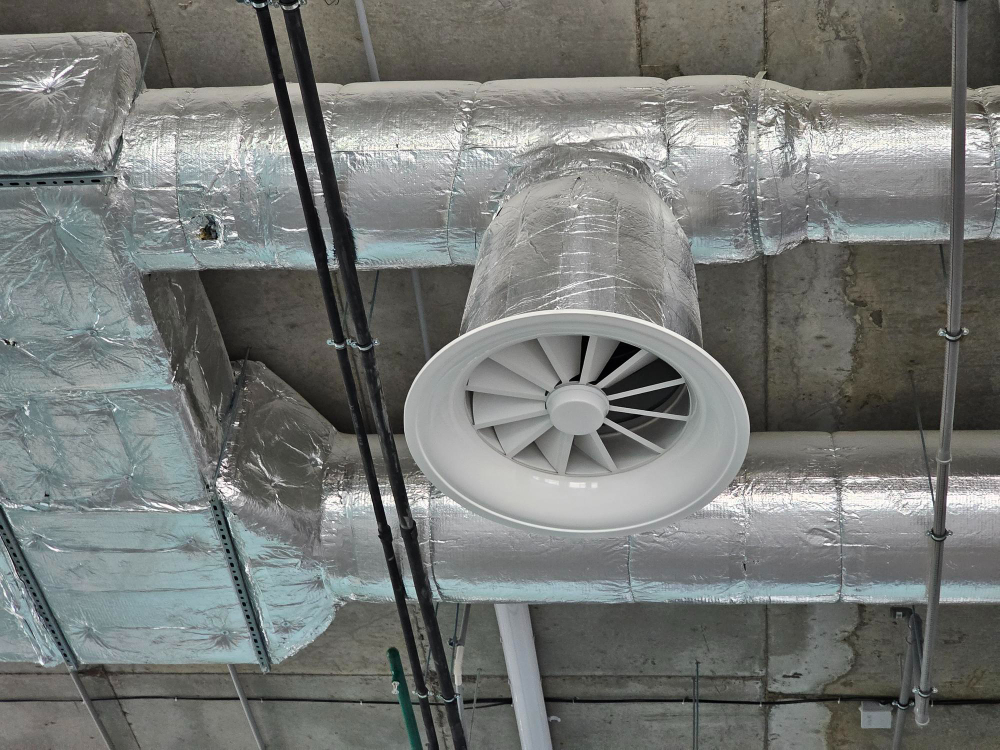
Fiberglass wrap is the most widely used material for duct insulation projects. It comes with a foil or vinyl facing that acts as a vapor barrier and typically offers R-values between R-4 and R-8.
Duct board combines insulation and duct material in one product. Fabricators cut and assemble these boards into duct sections during installation, providing built-in insulation without separate wrapping steps.
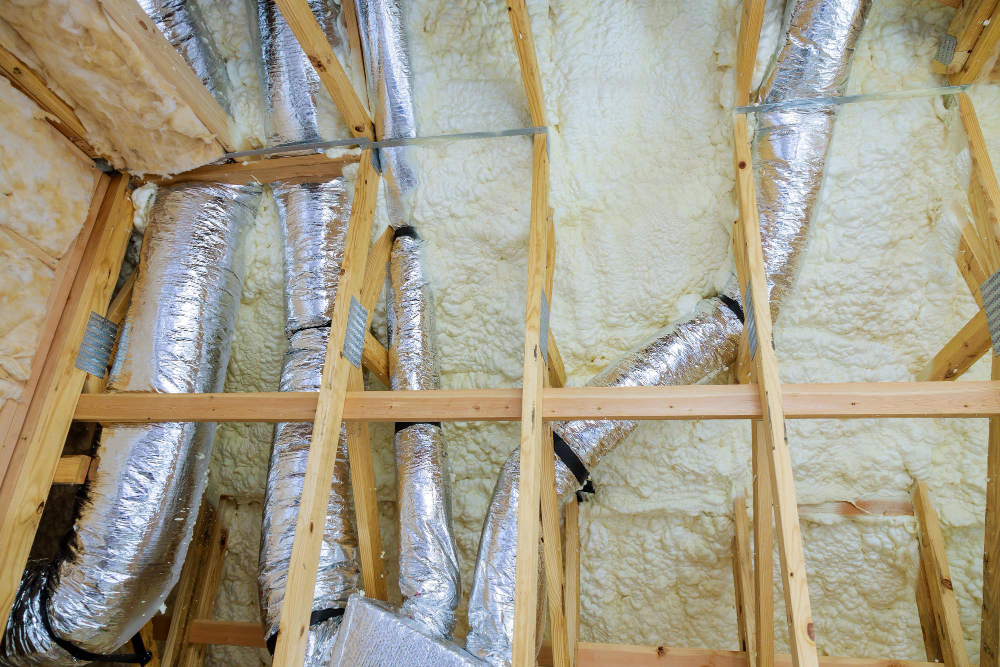
Foam insulation costs more but delivers higher R-values per inch of thickness. Closed-cell foam resists moisture better than other options and works well in humid spaces.
Material | Typical R-Value | Best Applications Fiberglass wrap | R-4 to R-8 | Existing metal ducts Duct board | R-4 to R-6 | New installations Foam insulation | R-6 to R-10 | High-efficiency systems
Long-term benefits of properly insulated ductwork
Insulated ducts maintain air temperature as it travels from your HVAC system to living spaces. You'll notice more consistent temperatures between rooms and fewer hot or cold spots throughout your home.
Energy bills decrease because your heating and cooling equipment doesn't work as hard to compensate for temperature losses. Most homeowners see noticeable savings within the first year after professional installation.
Proper insulation prevents condensation that leads to mold growth and water damage. The vapor barrier on quality insulation materials keeps moisture away from duct surfaces.
Your HVAC system experiences less wear and tear when ducts retain conditioned air effectively. Equipment lasts longer and needs fewer repairs when it cycles less frequently to maintain comfortable temperatures.
Conclusion
Your HVAC system works hard to keep your home comfortable through humid summers and cold winters. But without proper duct insulation, you're likely wasting energy and money.
Insulated ductwork helps you control temperature better throughout your home. It reduces heat loss in winter and keeps cool air from warming up in summer. This means your HVAC system doesn't have to work as hard to maintain the temperature you want.
Maryland enforces energy codes that require proper insulation standards. Meeting these requirements helps ensure your home performs efficiently. Whether you choose flexible elastomeric, mineral fiber, or fiberglass insulation, each material offers specific advantages for your ductwork system.
You need to decide if insulating existing ducts or replacing them makes more sense. If your current ductwork is in good condition and properly sized, adding insulation is usually more cost-effective. Damaged or poorly sized ducts may need replacement instead.
Working with qualified insulation professionals ensures the job meets local building codes. They can assess your specific needs and recommend the right insulation type and R-value for your system. Proper installation matters just as much as choosing quality materials.
Your investment in duct insulation pays back through reduced utility costs and improved comfort year-round. Contact Terra Insulation to schedule a ductwork assessment and find out how insulated ducts can improve your Maryland home's performance this summer.