
Maryland homes face a unique challenge when it comes to indoor air quality. Between hot, humid summers and cold winters, your home can trap moisture, stale air, and pollutants inside. Older homes and modern energy-efficient designs both struggle with the same problem: not enough fresh air coming in.
Whole house ventilation systems solve this by bringing fresh outdoor air inside while removing stale indoor air, all without wasting energy. These systems include Heat Recovery Ventilators and Energy Recovery Ventilators that work with your home's heating and cooling system. They help control humidity, reduce indoor pollutants, and make your home more comfortable year-round.
Whole house ventilation in Maryland is becoming essential as tighter building standards reduce natural air exchange and leave homes dependent on mechanical systems to maintain healthy indoor environments. Understanding how these systems work helps you make the right choice for your home's layout and climate needs.
In this article, we cover:
- Modern home designs and indoor air pollution
- Impact of summer humidity on indoor environments
- Limitations of relying on open windows
- Designing an effective whole-home ventilation system
- Health and efficiency benefits of improved ventilation
Keep reading to learn how proper ventilation protects your indoor air quality, controls moisture, and works alongside your insulation and HVAC system to keep your Maryland home comfortable in every season.
Modern home designs and indoor air pollution
Modern homes in Maryland are built to save energy, but this creates a trade-off with air quality. The tighter your home is sealed, the more pollutants can build up inside without a proper ventilation system.
Why modern homes hold contaminants indoors longer
Energy-efficient construction methods focus on creating an airtight seal around your home. This prevents heated or cooled air from escaping, which lowers your utility bills. However, these same tight seals also trap indoor air pollutants inside.
Older homes had natural air leaks through gaps in walls, windows, and doors. These leaks allowed fresh outdoor air to enter and push stale air out. Modern homes lack these natural exchanges.
According to the U.S. Environmental Protection Agency, Americans spend roughly 90% of their time indoors, where concentrations of some pollutants are often two to five times higher than typical outdoor levels. Indoor pollutant concentrations have increased in recent decades partly because energy-efficient construction limits natural air exchange when sufficient mechanical ventilation is not provided.
Without mechanical ventilation, your home becomes a sealed container. Cooking fumes, cleaning product vapors, and moisture from showers have nowhere to go. The concentration of these pollutants increases over time because no fresh air dilutes them.
Common sources of indoor air pollution throughout the house
Your home generates pollutants from multiple areas every day. Kitchens produce cooking oils, gas combustion byproducts, and food odors. Bathrooms create excess moisture that leads to mold and mildew growth.
Living areas collect dust, pet dander, and off-gassing from furniture and carpets. Volatile organic compounds (VOCs) come from paint, adhesives, and building materials. These chemicals can linger in your home for months or years after installation.
Basements and garages introduce radon, carbon monoxide, and chemical storage fumes. Attached garages allow vehicle exhaust to seep into living spaces through shared walls. Each of these sources adds to the total pollution load in your indoor air.
Signs stale air is affecting daily comfort
You might notice stuffiness or a musty smell when you enter your home. These odors indicate poor air circulation and trapped contaminants.
Condensation on windows signals excess moisture with nowhere to escape. This can damage window frames and create conditions for mold growth. You may experience more frequent headaches, fatigue, or allergy symptoms while indoors.
Dust accumulates faster on surfaces because particles stay suspended in stagnant air. Some family members might develop respiratory irritation or have trouble sleeping. These symptoms often improve when you spend time outdoors, which points to indoor air quality Maryland residents should address through proper ventilation.
Impact of summer humidity on indoor environments
Maryland summers bring significant moisture into the air, and when that humidity enters your home, it affects air quality, structural integrity, and how efficiently your HVAC system runs. Controlling moisture levels becomes essential for maintaining a healthy and comfortable living space.
How excess moisture impacts indoor air quality
High humidity creates an environment where airborne pollutants and allergens thrive in your home. Dust mites multiply rapidly when indoor moisture levels exceed 50%, and these microscopic pests are a leading cause of respiratory issues and allergic reactions.
Excess moisture also traps indoor air pollutants. When humidity is too high, contaminants like volatile organic compounds (VOCs) from furniture and cleaning products linger longer in the air you breathe. Your home's air feels heavier and stale.
Poor air quality from high humidity affects everyone in your household differently. Children, elderly family members, and anyone with asthma or allergies will notice symptoms worsen when moisture levels aren't properly managed.
Why humid conditions encourage mold and mildew growth
Mold spores are always present in the air, but they only grow when they find the right conditions. Humidity levels above 60% give mold exactly what it needs to establish colonies on walls, ceilings, and hidden spaces like crawlspaces and attics.
Mildew appears first as a surface problem on bathroom tiles, windowsills, and other damp areas. But mold penetrates deeper into porous materials like drywall, insulation, and wood framing. Once established, mold releases spores continuously into your indoor air.
The health risks from mold exposure range from minor irritation to serious respiratory problems. You might notice musty odors before you see visible growth, which means mold is already active somewhere in your home.
The effect of high humidity on home comfort and energy use
Your air conditioner works harder when humidity is high because it must remove moisture from the air while also cooling your home. This dual demand increases energy consumption and raises your utility bills throughout the summer months.
High humidity makes your home feel warmer than the actual temperature. You might set your thermostat lower to compensate, which forces your HVAC system to run longer cycles. This constant operation wears down components faster and shortens equipment lifespan.
Humidity control Maryland homes require goes beyond just running the AC. Proper whole-house ventilation systems address moisture at its source by exchanging humid indoor air with filtered outdoor air while maintaining energy efficiency.
Limitations of relying on open windows
Opening windows seems like a simple way to bring fresh air into your home, but this approach has significant drawbacks in modern, energy-efficient houses. Weather conditions, air quality concerns, and the unpredictable nature of natural airflow make windows an unreliable primary ventilation strategy.
Outdoor conditions that limit natural ventilation benefits
Opening windows only works well during mild weather. When summer temperatures in Maryland reach 85 degrees or higher, opening windows forces your air conditioning system to work harder and raises energy costs. The same problem happens in winter when outdoor temperatures drop below comfortable levels.
High humidity is another major issue in Maryland. Opening windows during humid months brings moisture into your home, which can lead to mold growth and damage to building materials. Your HVAC system then has to remove this extra moisture, which increases energy use.
Poor outdoor air quality also limits when you can safely open windows. Pollen counts, traffic pollution, wildfire smoke, and industrial emissions can make outdoor air worse than indoor air. You have no control over these pollutants when relying on open windows.
Why uncontrolled airflow can introduce new problems
Open windows create random air movement that you cannot control. Wind direction and speed determine where air enters and exits your home, which means some rooms get too much airflow while others get none.
This uncontrolled air exchange brings in outdoor pollutants, allergens, and dust. You also lose the ability to filter incoming air or adjust ventilation rates based on your actual needs. Security becomes a concern when you need to leave windows open overnight or while away from home.
Insects and pests easily enter through open windows, even with screens. Noise from traffic, neighbors, and outdoor activities also enters freely, disrupting your comfort and sleep.
The difference between ventilation and air leakage
Ventilation means controlled air exchange at specific rates to maintain indoor air quality. Air leakage refers to unplanned air movement through cracks, gaps, and penetrations in your building envelope. These are not the same thing.
According to the U.S. EPA, inadequate ventilation can increase indoor pollutant levels by failing to bring in enough outdoor air to dilute emissions from indoor sources, and high temperature and humidity levels can further raise concentrations of certain contaminants.
Modern energy-efficient homes are built tight to prevent air leakage, which wastes energy. These homes then use mechanical ventilation systems to bring in fresh air at controlled rates. This approach filters incoming air and recovers energy from outgoing air.
Open windows provide neither the control of proper ventilation nor the energy efficiency of a tight building envelope. They represent a middle ground that fails to deliver either benefit effectively.
Designing an effective whole-home ventilation system
A well-designed whole home ventilation system Maryland brings fresh outdoor air into your living spaces while removing stale indoor air at a controlled rate. The system must account for your home's size, layout, and existing HVAC setup to work properly.
How fresh air enters without sacrificing comfort
Fresh air enters your home through intake vents or ducts that connect to outside. These entry points need proper placement to avoid cold drafts in winter or hot spots in summer.
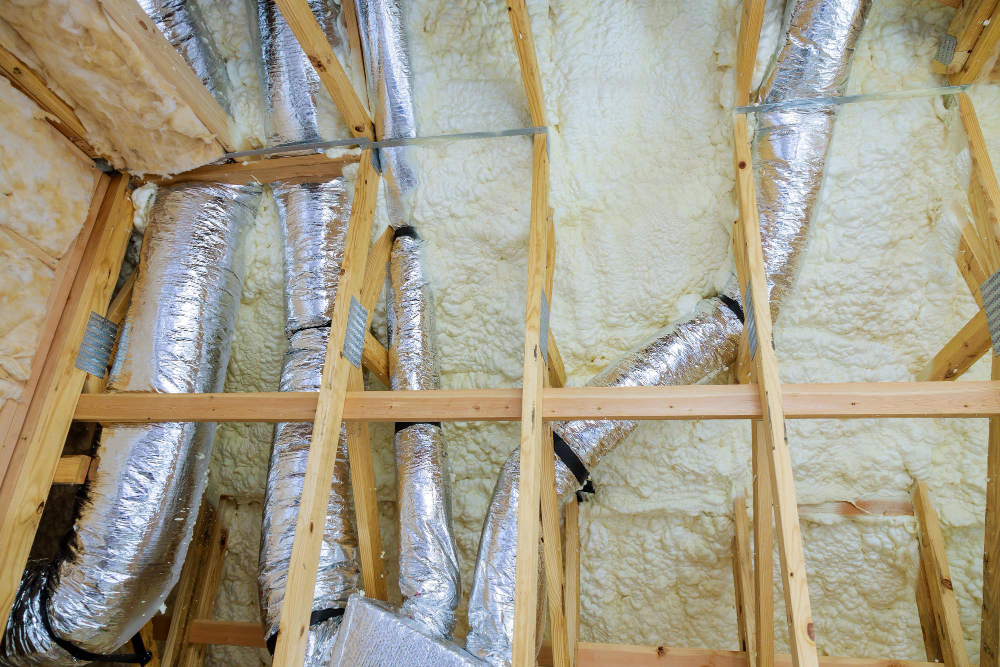
Your ventilation system can attach to your existing ductwork or use its own dedicated ducts. When tied into your HVAC system, the fresh air mixes with conditioned air before reaching your rooms. This keeps temperatures stable.
Stand-alone systems use separate ducts that deliver outdoor air directly to living areas. These work well when you don't have existing ductwork or want independent control. The incoming air gets filtered to remove dust and pollen before it circulates through your home.
Maryland's climate requires careful planning since summer humidity and winter cold can affect comfort. Your system needs to account for temperature differences between outdoor and indoor air throughout the year.
Ventilation options designed for different home layouts
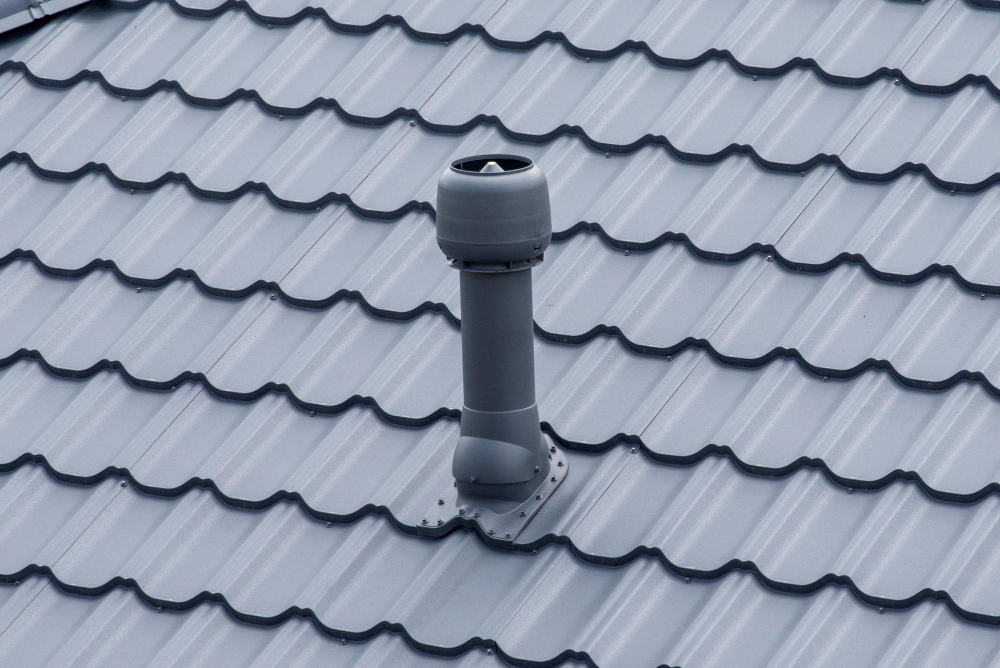
Exhaust-only systems use fans to pull stale air out of bathrooms and kitchens. Fresh air naturally enters through small gaps and planned intake vents. This option costs less to install but gives you limited control over where fresh air comes from.
Supply-only systems push fresh outdoor air into your home through vents in main living areas. Stale air exits through bathroom and kitchen exhausts or natural leaks. You get better control over air quality with filtration.
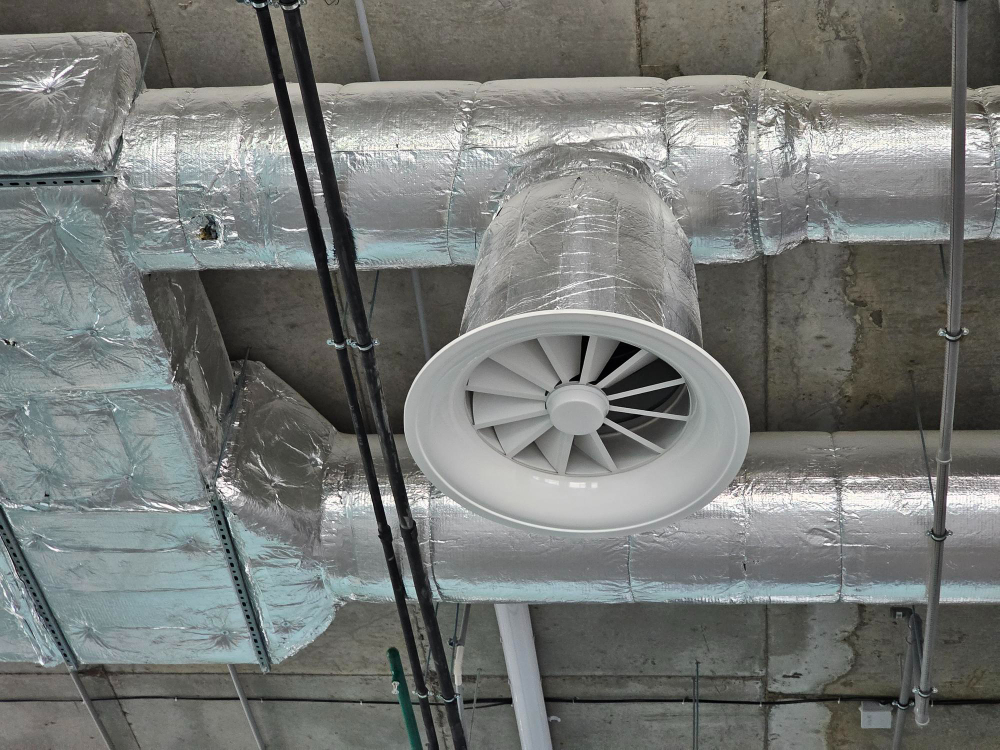
Balanced systems use separate fans for both intake and exhaust. They move equal amounts of air in and out, giving you the most control. These home ventilation solutions Maryland often include heat recovery ventilators that transfer warmth from outgoing air to incoming air, which saves energy.
According to the U.S. Department of Energy, the ASHRAE 62.2 residential ventilation standard requires whole-house mechanical ventilation in homes, following the principle that tight construction must be paired with controlled dilution of indoor contaminants to maintain acceptable air quality.
Your home's size and floor plan determine which type works best. Single-story homes often do well with simpler exhaust systems. Multi-level homes usually need balanced systems for even distribution.
Balancing airflow throughout the entire house
Proper airflow balance requires calculations based on your home's square footage and number of bedrooms. HVAC professionals measure these factors to determine the right ventilation rate for your specific home.
Each room needs adequate air circulation without creating pressure imbalances. Too much exhaust in one area pulls air from other spaces. Too much supply air creates positive pressure that pushes conditioned air out through cracks.
Your system needs dampers and controls to regulate airflow to different zones. Bedrooms typically need less ventilation than kitchens or bathrooms. The controls adjust fan speeds based on occupancy and air quality readings.
Testing and adjustment happen after installation to verify performance. Technicians measure airflow at each vent and make corrections to meet design specifications. This ensures every room gets fresh air without wasting energy.
Health and efficiency benefits of improved ventilation
Whole house ventilation systems deliver measurable improvements in air quality while reducing energy costs. These systems address Maryland's specific climate challenges while supporting your home's heating and cooling equipment.
Reducing indoor odors and airborne contaminants
Fresh air ventilation in Maryland homes actively removes pollutants that build up in sealed, energy-efficient spaces. Your ventilation system exchanges stale indoor air with filtered outdoor air, which dilutes allergens, volatile organic compounds from cleaning products, and cooking odors.
Modern homes trap contaminants more than older houses did. Without mechanical ventilation, dust mites, pet dander, and mold spores accumulate to levels that trigger asthma and allergies.
A whole house system provides consistent air exchange throughout your living space. This steady flow prevents the stagnant conditions where bacteria and viruses spread more easily. The constant circulation also eliminates musty smells from basements and bathrooms that indicate poor air movement.
Improving comfort during Maryland's humid summer months
Energy Recovery Ventilators (ERVs) help manage the moisture that makes Maryland summers uncomfortable. These systems transfer heat and humidity from incoming outdoor air to the outgoing indoor air, which reduces the load on your air conditioner.
High indoor humidity creates an environment where mold grows on walls, ceilings, and furniture. ERVs maintain humidity levels between 30-50%, which prevents mold growth while keeping your home comfortable.
Your cooling costs drop when ventilation equipment pre-conditions incoming air. The ERV removes moisture before hot outdoor air enters your living space, so your AC doesn't work as hard to dehumidify.
How proper ventilation works alongside insulation and HVAC systems
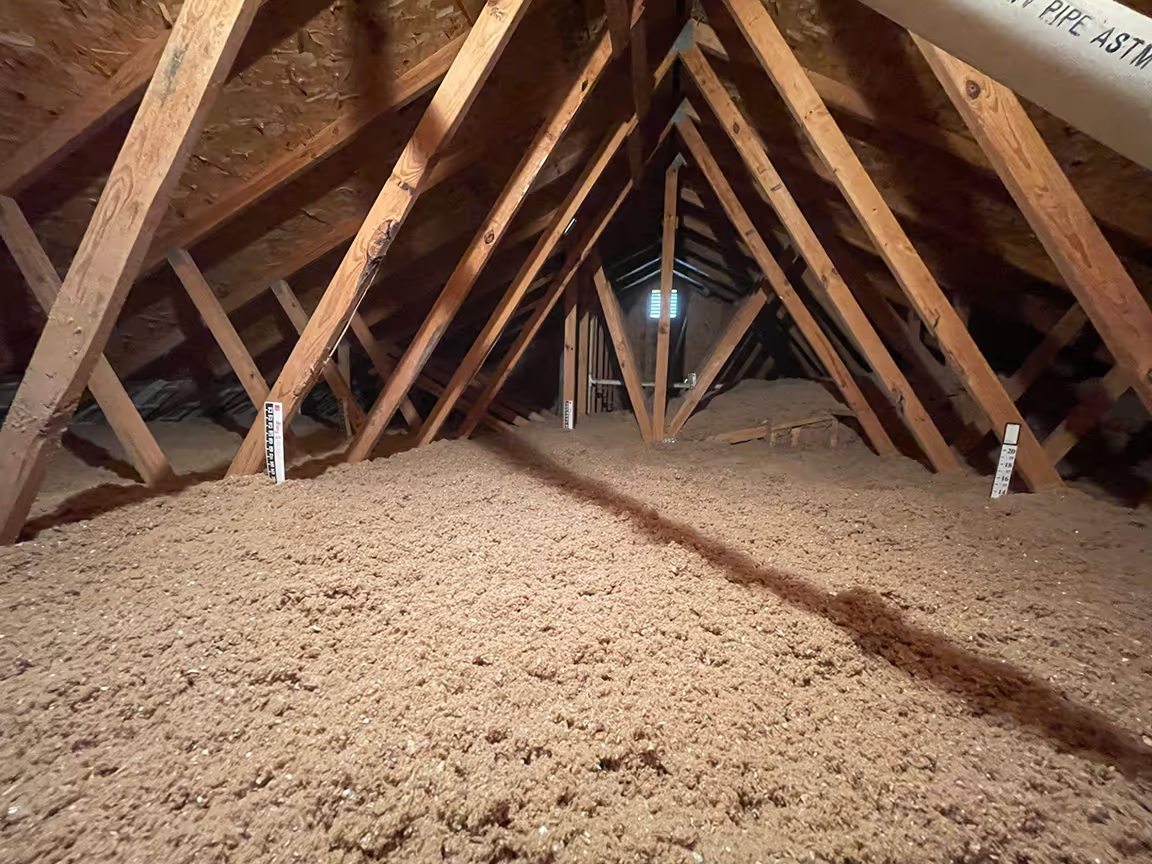
Ventilation systems complement your home's insulation rather than conflict with it. Tight insulation prevents uncontrolled air leakage while mechanical ventilation brings in fresh air exactly where you need it.
Your HVAC system maintains temperature, but it doesn't introduce outdoor air. The ventilation system handles air exchange, which allows your furnace and air conditioner to operate more efficiently. This division of labor extends equipment life and reduces repair costs.
Balanced ventilation systems include both supply and exhaust components that work together. The coordinated operation maintains neutral air pressure in your home, which prevents drafts and keeps conditioned air from escaping through gaps around doors and windows.
Conclusion
Whole house ventilation is not just a luxury in Maryland homes. It's a real need for modern, energy-efficient houses that are built tight to save energy.
Your home needs fresh air to stay healthy and comfortable. Without proper ventilation, you'll deal with stale air, excess moisture, and poor indoor air quality. These problems can lead to mold growth, health issues, and damage to your home over time.
Maryland's climate makes ventilation even more important. The hot, humid summers and cold winters mean your home is sealed up most of the year. This makes mechanical ventilation systems like HRVs and ERVs essential for bringing in fresh outdoor air while removing stale indoor air.
Working with qualified professionals ensures your system meets Maryland building codes and performs correctly. They can assess your home's specific ventilation needs and recommend the best solution for your situation.
Your investment in whole house ventilation pays off through better air quality, improved comfort, and protection for your home's structure. You'll breathe easier knowing your family has clean, fresh air year-round. Contact Terra Insulation to schedule a home ventilation assessment and find the right system for your Maryland home.