
Your crawl space might be out of sight, but it should never be out of mind when it comes to your home's comfort and efficiency. The area beneath your home plays a bigger role than you might think in your energy bills, indoor air quality, and overall comfort. Many homeowners don't realize that an uninsulated or poorly insulated crawl space can waste energy and create problems throughout their entire house.
Adding insulation to your crawl space can lower your heating and cooling costs, prevent moisture problems, improve air quality, and protect your home's structure for years to come. These benefits work together to make your home more comfortable while saving you money. The right insulation creates a barrier that keeps outside air from affecting your living space and stops moisture from causing damage.
Per the U.S. Department of Energy (DOE), on average you can save up to 20% on heating and cooling costs (or up to 10% on total energy costs) by adding insulation to key areas like floors and crawl spaces and by reducing unwanted air leaks.
This guide will walk you through everything you need to know about crawl space insulation. You'll learn how it works, what specific benefits it provides, and how to tell if your crawl space needs attention.
Here's what you need to know:
- What crawl space insulation is and how it works
- Energy efficiency benefits of crawl space insulation
- Moisture and mold prevention advantages
- Comfort and indoor air quality improvements
- Long-term home protection benefits
- Signs your crawl space needs insulation
- Why choose Terra Insulation for crawl space insulation
Keep reading! Understanding these advantages will help you make a smart decision about protecting your home and improving your quality of life.
What crawl space insulation is and how it works
Crawl space insulation is material installed in the area between your ground floor and the soil beneath your home to control temperature and moisture. The insulation works by creating a barrier that stops heat from escaping in winter and entering in summer, while also helping seal air leaks that waste energy.
Types of crawl space insulation: spray foam, fiberglass, and rigid board
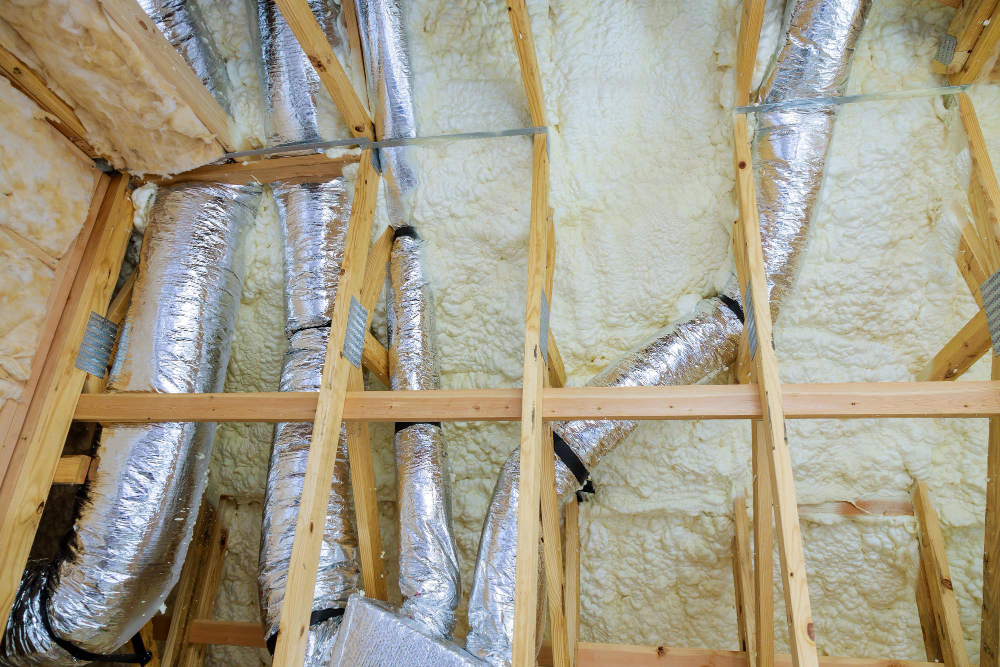
Spray foam insulation comes in two forms: open-cell and closed-cell. Closed-cell spray foam is the better choice for crawl spaces because it blocks moisture and provides the highest insulation value per inch. It expands to fill gaps and creates an air-tight seal against your foundation walls.
Fiberglass insulation is the most affordable option and comes in batts or rolls. You install it between floor joists above the crawl space. However, fiberglass absorbs moisture easily, which reduces its effectiveness and can lead to mold growth if your crawl space has humidity problems.
Rigid foam boards are made from polystyrene or polyisocyanurate. You attach these boards directly to foundation walls using adhesive or fasteners. They resist moisture better than fiberglass and provide good insulation value. The boards are available in different thicknesses, typically ranging from 1 to 4 inches.
How insulation improves thermal efficiency and air sealing
Insulation reduces heat transfer between your crawl space and your home's living areas. Without insulation, cold air from an unheated crawl space rises into your floors, making your heating system work harder and increasing energy bills.
Crawl space air sealing works together with insulation to stop drafts. Gaps around pipes, electrical wires, and rim joists let outside air flow into your crawl space and up into your home. When you combine insulation with proper air sealing, you create a complete thermal barrier.
Your HVAC system runs less frequently when your crawl space is properly insulated and sealed. This means lower energy costs throughout the year. In summer, insulation prevents hot, humid air from making your floors warm and forcing your air conditioner to work overtime.
Energy efficiency benefits of crawl space insulation
Insulating your crawl space creates a barrier that stops heat from escaping your home and helps your heating and cooling systems work more efficiently. These improvements directly reduce the energy your home wastes each month.
Reducing heat loss through floors and ductwork
Your floors lose a significant amount of heat when your crawl space lacks proper insulation. Cold air from the ground rises through gaps and uninsulated areas, making your floors feel cold and forcing your heating system to work harder.
Energy-efficient insulation materials like rigid foam board create a protective layer between the ground and your living space. This barrier blocks cold air in winter and hot air in summer from entering your home through the floor.
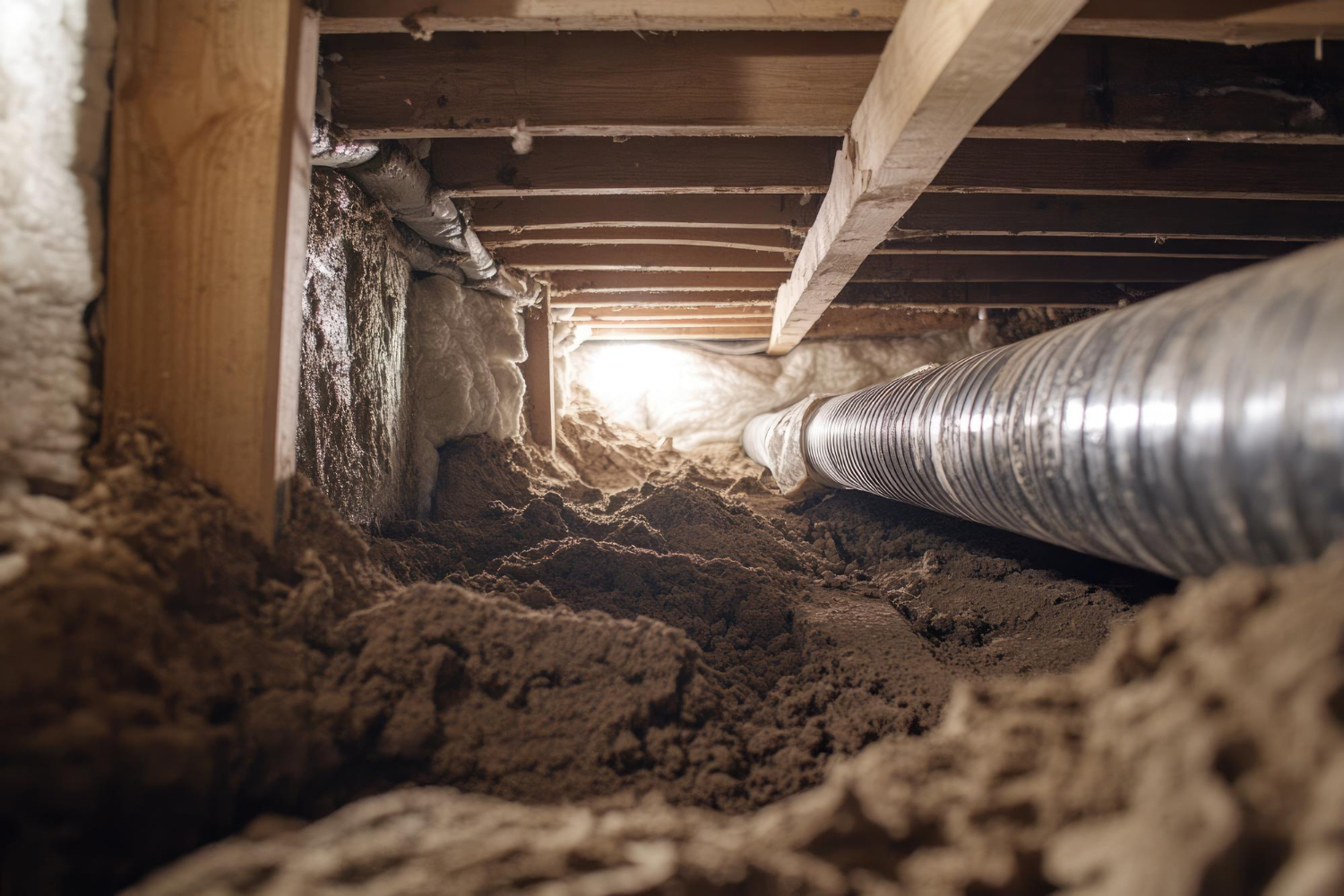
Ductwork in crawl spaces loses substantial energy without insulation protection:
- Heated or cooled air traveling through ducts loses temperature before reaching your rooms
- Metal ducts conduct heat or cold directly from the surrounding air
- Gaps around ducts allow conditioned air to escape into the crawl space
According to the U.S. Department of Energy (DOE), ducts that leak heated or cooled air into unheated spaces can add hundreds of dollars a year to heating and cooling bills, and sealing and insulating ducts reduces that loss—especially when ducts run through unconditioned areas.
When you insulate your crawl space walls and floors, you create a stable temperature zone. Your ductwork no longer sits in extreme temperatures, which means the air traveling through maintains its intended temperature. This keeps your rooms comfortable without extra energy use.
Lowering energy bills with better HVAC performance
Your HVAC system uses less energy when it doesn't have to compensate for heat loss through your crawl space. Insulation reduces the temperature difference between your crawl space and living areas, which means your system runs for shorter periods to maintain comfort.
Most homeowners see a noticeable decrease in their monthly energy bills after installing crawl space insulation. Your heating and cooling equipment reaches the desired temperature faster and cycles on less frequently throughout the day.
Key ways insulation improves HVAC efficiency:
- Reduces runtime needed to heat or cool your home
- Prevents air temperature loss in ductwork systems
- Maintains more consistent indoor temperatures
- Decreases strain on heating and cooling equipment
Your HVAC system also lasts longer when it doesn't work as hard to maintain comfort levels. Less frequent cycling means less wear on components and fewer repair needs over time.
Moisture and mold prevention advantages
Crawl space insulation creates a protective barrier that stops moisture from entering your home and prevents mold growth that can damage your property and affect your health. This protection works by controlling humidity levels and shielding the wooden structures in your crawl space from decay.
Controlling humidity in crawl spaces
Moisture control insulation keeps your crawl space dry by blocking ground moisture from rising into your home. When you combine insulation with a vapor barrier, you create a system that prevents humid air from condensing on cold surfaces.
Your crawl space naturally attracts moisture from the soil beneath your home. Without proper insulation, this moisture evaporates and increases humidity levels throughout the space. High humidity creates ideal conditions for mold and mildew to grow.
Insulation warms the interior surfaces of your crawl space walls, which reduces the chance of condensation forming during humid weather. When surface temperatures stay above the dew point, water droplets cannot form on walls and floors.
A well-insulated crawl space maintains stable humidity levels year-round. This stability protects your home's structure and improves the air quality in your living spaces above.
According to the U.S. EPA, indoor relative humidity should be kept below 60% and ideally between 30% and 50% (if possible) to help reduce conditions that support mold growth—supporting moisture control as part of crawl space insulation advantages.
Preventing wood rot, mold, and structural damage
Uninsulated crawl spaces expose your floor joists, beams, and subflooring to constant moisture that causes wood rot and mold growth. These problems weaken your home's foundation and can cost thousands of dollars to repair.
Moisture control insulation combined with vapor barriers keeps water away from wooden structural elements. This protection reduces your risk of mold growth by up to 60% when you maintain your crawl space properly.
Mold spores spread quickly in damp environments and release particles that travel through your HVAC system into your living areas. By keeping your crawl space dry, you stop mold before it starts and protect your indoor air quality.
Wood rot compromises the strength of support beams and floor joists. Insulation prevents the moisture buildup that feeds rot-causing fungi and preserves your home's structural integrity for decades.
Comfort and indoor air quality improvements
Insulating your crawl space creates a more stable living environment by regulating temperature fluctuations and blocking contaminants that enter through your home's foundation.
Consistent indoor temperatures
Crawl space insulation acts as a barrier between the cold ground and your living space. Without proper insulation, cold air from the crawl space rises through your floors during winter, making your rooms feel chilly even when your heating system runs constantly.
During summer months, hot and humid air can seep upward through uninsulated crawl spaces. This forces your air conditioning to work harder to maintain comfortable temperatures. Insulation prevents these temperature swings by creating a buffer zone that keeps conditioned air inside your home.
Your heating and cooling systems operate more efficiently when they don't have to compensate for temperature loss through the floor. This means fewer cold spots in winter and less humidity in summer. You'll notice that rooms above the crawl space feel more comfortable year-round, with temperatures that match the rest of your home.
Reduction of allergens and dust infiltration
Your crawl space can harbor mold spores, dust mites, and other allergens that travel upward into your living areas. Up to 50% of the air in your home comes from the crawl space, bringing these contaminants with it through gaps and openings in your flooring.
Insulation combined with proper moisture barriers blocks these pollutants from entering your home. Mold needs moisture to grow, and insulation helps control humidity levels that allow mold to thrive. When you reduce moisture, you eliminate the conditions that support mold growth and dust mite populations.
Your indoor air becomes cleaner and healthier for your family. People with asthma or allergies often notice fewer symptoms after crawl space insulation. The musty odors that signal mold presence also disappear when you properly insulate and seal your crawl space.
Long-term home protection benefits
Proper crawl space insulation protects your home's structure and extends the life of major systems by controlling moisture and temperature fluctuations that cause deterioration over time.
Protecting the foundation and structural integrity
Your foundation and structural wood members face constant threats from moisture and temperature changes. When you insulate your crawl space, you create a barrier that prevents ground moisture from reaching wooden floor joists, beams, and subflooring.
Uninsulated crawl spaces let humidity rise from the ground and condense on cold surfaces. This moisture causes wood rot, which weakens floor joists and can lead to sagging floors. The dampness also attracts termites and other wood-destroying insects that target wet wood.
Home insulation improvements in your crawl space stop these moisture problems before they start. The insulation keeps surfaces warmer, which prevents condensation from forming. This dry environment protects your wooden structural members from decay and keeps your foundation stable for decades.
Regular freeze-thaw cycles in cold climates can crack concrete foundation walls. Insulation moderates temperature swings and reduces this damage.
Extending the lifespan of flooring and HVAC equipment
Your HVAC system works harder when cold air from an uninsulated crawl space seeps into your home. This extra strain shortens the life of your heating and cooling equipment. Insulation reduces this workload, which means fewer repairs and a longer equipment lifespan.
Floor materials above crawl spaces suffer from temperature extremes and moisture. Hardwood floors can warp, buckle, or develop gaps when exposed to humidity from below. Carpet padding breaks down faster in damp conditions.
Insulated crawl spaces maintain stable temperatures and humidity levels. This stability protects your flooring investment and keeps floors looking good longer. Your HVAC ducts also benefit because insulation prevents condensation on ductwork, which can lead to rust and air quality problems.
Signs your crawl space needs insulation
Your crawl space sends clear signals when it lacks proper insulation. Recognizing cold floors, unexplained energy costs, and moisture problems helps you address insulation issues before they damage your home or drain your wallet.
Cold or drafty floors
Cold floors above your crawl space indicate missing or failing insulation. When your crawl space lacks proper insulation, outside air flows freely through this area and into your living space. This creates noticeably cold floors, especially during winter months.
You might notice that your feet feel cold even when your thermostat shows a comfortable temperature. The problem often gets worse in rooms directly above the crawl space. Hardwood, tile, and laminate floors feel particularly cold because these materials conduct temperature easily.
Drafts around baseboards and floor edges also point to insulation problems. These drafts happen when cold air moves up from your crawl space through small gaps and cracks. The temperature difference between your floors and the rest of your home can reach 10 to 15 degrees in poorly insulated crawl spaces.
High energy bills without increased usage
Your heating and cooling systems work harder when your crawl space lacks insulation. This extra work shows up as higher energy bills even when you haven't changed your usage habits. Heat escapes through an uninsulated crawl space in winter, while hot air enters during summer.
Your HVAC system runs longer cycles to maintain your desired temperature. This extended runtime increases wear on your equipment and drives up monthly costs. Many homeowners see energy bills increase by 15 to 25 percent due to crawl space insulation problems.
Compare your current bills to previous years during the same season. A steady increase without explanation often means your home is losing conditioned air. Your crawl space could be the main source of this energy waste.
Visible moisture, condensation, or mold
Moisture in your crawl space signals both insulation and ventilation problems. You might see water droplets on floor joists, pipes, or existing insulation materials. This condensation forms when warm, humid air meets cold surfaces in your crawl space.
Mold growth appears as dark spots or fuzzy patches on wood and insulation. Mold needs moisture to grow, and an uninsulated crawl space creates the perfect environment. The musty smell often travels into your living areas through floor gaps and air ducts.
Standing water or damp soil also indicates your crawl space needs attention. Proper insulation works with moisture barriers to keep your crawl space dry. Wet or compressed insulation loses its ability to control temperature and needs replacement.
Why choose Terra Insulation for crawl space insulation
Terra Insulation brings proven expertise and quality materials to every crawl space project, ensuring your home stays comfortable and energy-efficient for years to come.
Certified and experienced insulation contractors
Terra Insulation employs certified professionals who understand the specific challenges of crawl space environments. Our contractors have extensive training in moisture management, vapor barrier installation, and thermal performance optimization.
We know that crawl spaces require different approaches than other areas of your home. Each project starts with a thorough inspection to identify moisture issues, air leaks, and structural concerns that could affect insulation performance.
Our team stays current with building codes and industry best practices. This means your installation meets all local requirements while delivering maximum energy savings. We've completed hundreds of crawl space projects across different home types and conditions.
Experience matters when dealing with tight spaces, uneven surfaces, and existing moisture problems. Our contractors know how to work efficiently in challenging crawl space conditions while maintaining high-quality standards.
High-quality materials and professional installation
Terra Insulation uses premium insulation materials designed specifically for crawl space applications. We work with rigid foam board, closed-cell spray foam, and other moisture-resistant options that perform well in below-grade environments.
Our materials provide excellent thermal resistance while blocking moisture infiltration. We don't use fiberglass batts or other materials that can absorb water and lose effectiveness over time.
Professional installation ensures proper coverage without gaps or compressed areas that reduce performance. We seal rim joists, apply vapor barriers correctly, and create continuous insulation layers along crawl space walls.
Every installation includes attention to detail that DIY projects often miss. We tape seams, seal penetrations, and ensure your insulation system works as an integrated moisture and thermal barrier.
Focus on energy efficiency, comfort, and durability
Your crawl space insulation should deliver measurable results that last. Terra Insulation designs each system to reduce heating and cooling costs by preventing air leakage and heat transfer through your foundation.
Proper crawl space insulation provides:
- Lower energy bills year-round
- Warmer floors during winter months
- Reduced drafts and temperature variations
- Better indoor air quality
- Protection against moisture damage
- Increased home resale value
We don't just install insulation and leave. Our approach addresses the underlying causes of energy loss and moisture problems. This means your investment delivers consistent performance for decades.
Durability comes from using the right materials in the right places. Our insulation won't sag, settle, or deteriorate when exposed to typical crawl space conditions. You get long-term protection without ongoing maintenance or replacement costs.
Conclusion
Crawl space insulation offers real benefits that can improve your home in several ways. You'll notice lower energy bills as your heating and cooling systems work more efficiently. Your floors will feel warmer in winter, and your entire home will maintain a more consistent temperature year-round.
The benefits extend beyond comfort and cost savings. Proper insulation helps protect your home's structure by working with moisture control systems. You're also creating a healthier living environment by reducing the chance of mold growth and improving indoor air quality.
The investment in crawl space insulation pays off over time. You'll see the difference in your utility bills and feel it in your home's comfort level. If you're planning to sell in the future, you'll have an energy-efficient feature that buyers value.
Before starting your project, evaluate your specific needs. Consider your climate, current moisture levels, and budget. Work with experienced professionals who can recommend the right insulation type and installation method for your situation. The right approach will give you lasting results and maximize your investment.
Schedule a crawl space inspection with Terra Insulation so a trained crew can evaluate moisture conditions, air leakage points, and insulation needs, then provide a clear scope and estimate for crawl space air sealing and moisture-resistant insulation.