
The air inside your Virginia home may be more polluted than the air outside, even if you live on a quiet street far from any highway or factory. That is not speculation.
The EPA has found that levels of about a dozen common organic pollutants are 2 to 5 times higher inside homes than outside, regardless of whether the home sits in a rural or industrial area. For Virginia homeowners who spend the majority of their time indoors, learning how to improve indoor air quality in Virginia homes is a health decision as much as a comfort one.
Virginia's Climate Zone 4A means you need your home sealed and insulated to handle both hot, humid summers and cold winters. That energy efficiency comes with a tradeoff. The tighter your home, the less natural air exchange occurs, and the more pollutants accumulate indoors without a controlled path to leave.
Moisture from cooking and showering, volatile organic compounds from household products, particulate matter from cooking, and even radon from the soil beneath the foundation all concentrate in a well-sealed home that lacks adequate ventilation.
The good news is that improving indoor air quality does not require choosing between healthy air and energy efficiency. The same upgrades that lower your heating and cooling costs, air sealing, insulation, and mechanical ventilation, also create the conditions for cleaner, drier, more comfortable indoor air when they are done together and in the right order.
In this article, you will learn about:
- What pollutants actually affect air quality inside Virginia homes
- How your building envelope controls both energy performance and air quality
- The role of mechanical ventilation in keeping sealed homes healthy
- Practical upgrades that reduce specific indoor air quality problems
- How to approach the work in the right sequence for lasting results
Keep reading to find out what your indoor air is carrying and what you can do about it.
What pollutants actually affect air quality inside Virginia homes
Indoor air quality is not one problem. It is a category that includes several distinct pollutants, each with different sources, health effects, and solutions. Understanding what you are dealing with helps you target the upgrades that will make the biggest difference in your specific home.
Virginia's climate and housing stock create conditions that amplify certain pollutant categories, particularly moisture-driven issues, radon, and volatile organic compounds.
Moisture and biological growth
Excess indoor humidity is the most common air quality problem in Virginia homes, and it is the one that does the most damage over time. Maryland and Virginia share the same humid subtropical climate classification, with summer humidity regularly pushing indoor moisture levels above comfortable ranges. When a home is well-sealed but lacks adequate ventilation, moisture generated from cooking, bathing, breathing, and laundry has no reliable exit path.
Sustained indoor humidity above 60 percent creates conditions for mold growth on surfaces, inside wall cavities, and in attic spaces. Dust mites, which are a leading trigger for allergies and asthma, thrive at humidity levels above 50 percent. The Consumer Product Safety Commission identifies biological pollutants, including mold, dust mites, pet dander, and bacteria, as primary indoor air quality concerns and recommends maintaining indoor relative humidity between 30 and 50 percent.
In Virginia homes with crawl space foundations, ground moisture migrating upward through the foundation adds to the indoor moisture load. Homes with uninsulated ductwork in the attic can develop condensation on duct surfaces, which drips onto surrounding insulation and creates localized conditions for mold even when the rest of the home feels dry.
Radon
Radon is an invisible, odorless, radioactive gas that enters homes through cracks in foundations, gaps around pipes, and openings in basement floors. It is the second leading cause of lung cancer in the United States after smoking.
The CDC estimates that radon is responsible for more than 21,000 lung cancer deaths each year in the United States. Virginia is not immune. According to the American Lung Association, 25.2 percent of radon test results in Virginia equal or exceed the EPA's action level of 4 picocuries per liter. That means roughly one in four Virginia homes tested has radon levels high enough to warrant mitigation.
Radon concentrations vary widely from home to home, even between neighboring properties. The only way to know your home's level is to test, and the Virginia Department of Health offers test kits and maintains a list of licensed mitigation professionals. If your home has elevated radon and you are also planning air sealing or insulation upgrades, the ventilation strategy needs to account for radon mitigation to avoid sealing the gas inside the home without a controlled exhaust path.
- Radon enters through foundation cracks, pipe gaps, and slab openings
- 25.2 percent of Virginia homes tested at or above the EPA action level of 4 pCi/L
- Testing is the only way to determine your home's radon level
- Mitigation systems use sub-slab depressurization to vent radon before it enters the living space
Addressing radon is a specific, targeted intervention that works alongside, but separately from, general ventilation and insulation upgrades.
Volatile organic compounds
VOCs are gases emitted from a wide range of household products, including paints, cleaning supplies, adhesives, new furniture, engineered wood products (cabinets, laminate flooring, subflooring), air fresheners, and personal care products. Many VOCs are individually present at low levels, but the cumulative exposure in a sealed home can be significant.
The EPA's research on VOCs found that concentrations of many volatile organic compounds are consistently up to ten times higher indoors than outdoors. During and immediately after activities like painting, stripping, or cleaning, indoor VOC levels can spike to 1,000 times background outdoor levels and remain elevated for hours after the activity ends.
Formaldehyde deserves particular attention because it off-gasses continuously from composite wood products. If your Virginia home has engineered hardwood floors, particleboard cabinets, or MDF trim installed in the last several years, formaldehyde emissions are likely still occurring at low levels. In a well-sealed home without ventilation, those emissions accumulate rather than dissipate.
Combustion byproducts
Homes with gas stoves, gas furnaces, gas water heaters, or fireplaces generate combustion byproducts that can affect indoor air quality if the appliances are not properly vented or if the combustion is incomplete.
Carbon monoxide is the most dangerous. According to the CPSC, more than 200 people in the United States die every year from carbon monoxide produced by non-automotive consumer products, including malfunctioning furnaces, ranges, water heaters, and room heaters. Gas stoves also produce nitrogen dioxide and particulate matter during normal operation, both of which can affect respiratory health with sustained exposure.
- Gas appliances should be professionally inspected annually to verify proper venting and complete combustion
- Range hoods over gas stoves should vent to the outdoors, not recirculate air through a charcoal filter
- Bathroom exhaust fans must terminate outside the building, not into the attic or soffit
- Carbon monoxide detectors on every level of the home are essential, not optional
For homes undergoing air sealing, combustion safety testing is a critical step. Tightening the building envelope can change the pressure dynamics inside the home, and appliances that previously had adequate draft may develop backdrafting problems after the home is sealed. A professional energy assessment includes combustion safety testing as part of the evaluation.
How your building envelope controls both energy performance and air quality
Your building envelope, the combination of walls, ceiling, foundation, windows, and doors that separates your conditioned space from the outdoors, is the single biggest factor in both your energy bills and your air quality. How you manage that envelope determines whether your home is efficient and healthy or efficient and polluted.
The goal is not simply a tight house. It is a tight house that ventilates intentionally.
What air sealing does for air quality
Air sealing closes the gaps, cracks, and holes that allow uncontrolled air to move between your living space and the outdoors, the attic, and the crawl space. When these pathways are open, unconditioned air enters carrying humidity, dust, pollen, soil gases (including radon), and whatever else is in the surrounding environment. Conditioned air leaves, taking your energy dollars with it.
Sealing these leaks does two things for air quality. First, it stops the uncontrolled entry of outdoor pollutants, crawl space air, and attic dust. Second, it creates a controlled building envelope where mechanical ventilation can manage air exchange precisely rather than fighting against random infiltration.
Common air sealing targets in Virginia homes include the attic floor (recessed lights, plumbing and wiring penetrations, HVAC chases, attic hatches), the rim joist area between the foundation and framing, and the crawl space perimeter. Each of these areas is both an energy leak and a pollutant pathway.
- Unsealed attic penetrations allow humid attic air, dust, and insulation fibers to enter the living space
- Rim joist gaps allow outdoor air, soil gases, and insects to enter the basement or crawl space
- Crawl space air leaks can draw moisture, radon, and biological pollutants into the home
- Every sealed air leak reduces both energy waste and the uncontrolled entry of pollutants
The key point is that air sealing is not just an energy upgrade. It is an air quality upgrade that happens to save energy at the same time.
How insulation supports healthier indoor conditions
Insulation's primary job is to resist heat transfer, keeping your home warm in winter and cool in summer. But insulation also affects air quality in less obvious ways.
When insulation is inadequate, exterior walls and ceilings run at temperatures closer to outdoor conditions. In Virginia's humid summers, that can create cold spots where condensation forms on the interior side of surfaces, especially behind furniture against exterior walls or at ceiling corners where insulation is thin. That condensation supports mold growth in places you may not see until damage is visible.
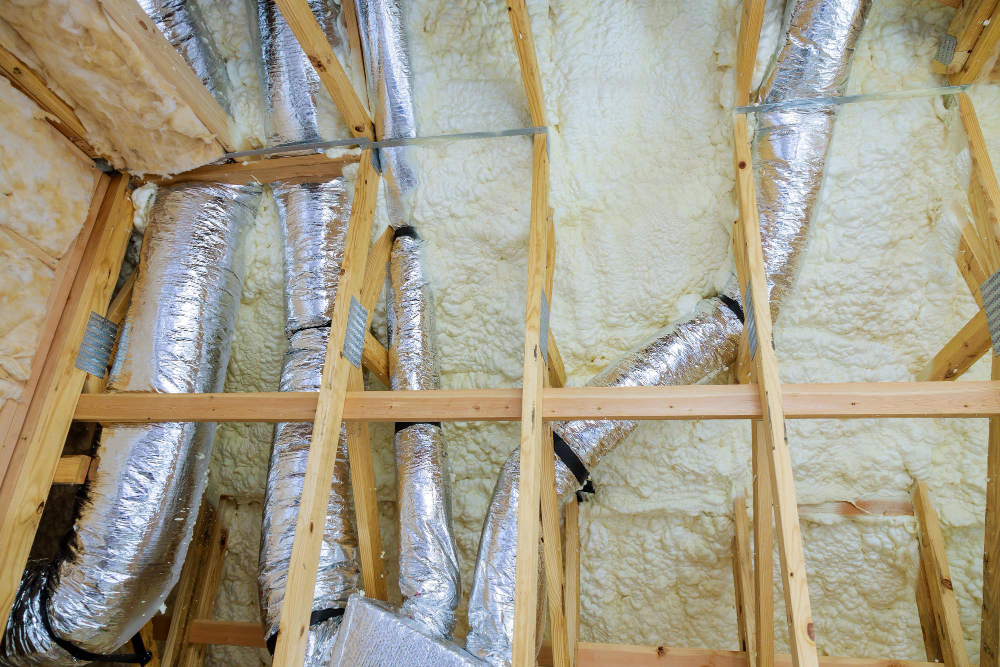
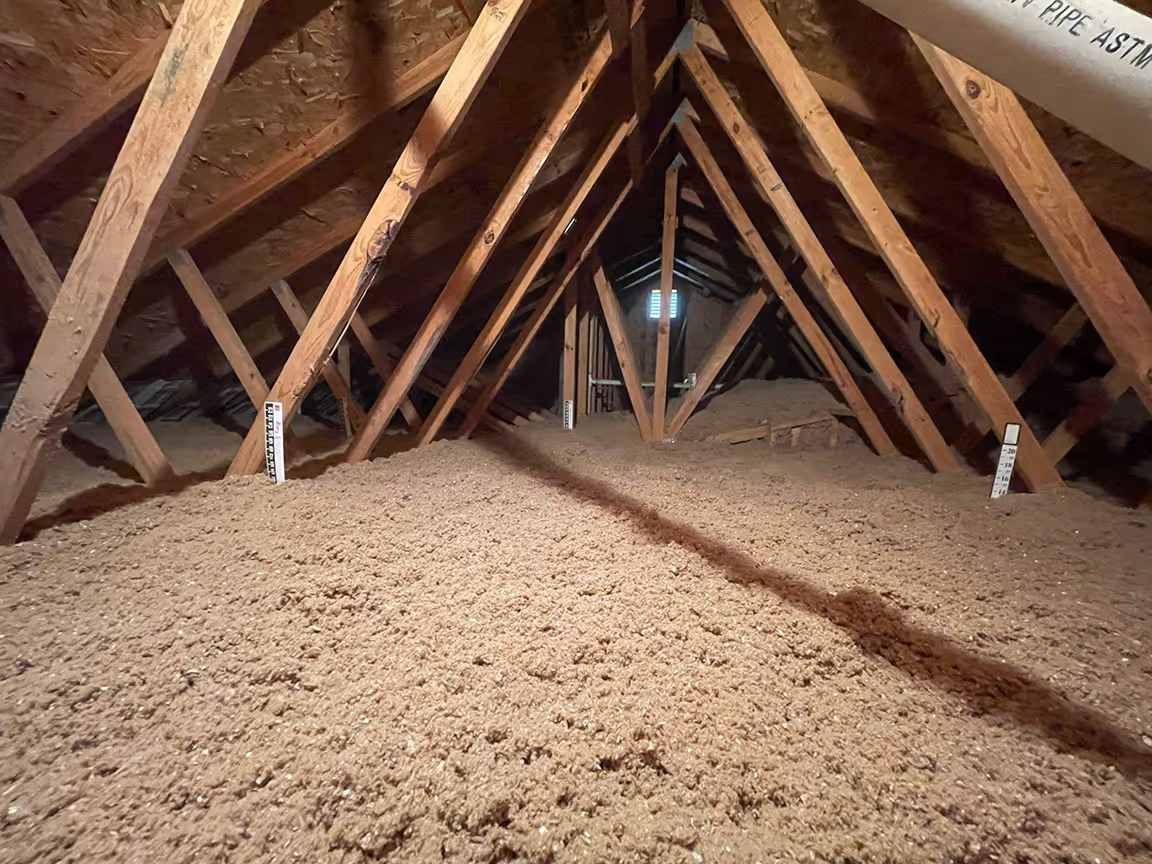
Upgrading attic insulation to the R-49 or R-60 levels recommended for Virginia's climate zone keeps the ceiling surface warmer in winter (preventing condensation) and reduces the heat radiating into the living space in summer (reducing the cooling load and the humidity the AC has to manage). Spray foam insulation in rim joists and crawl spaces provides both insulation and an air seal in a single application, addressing two air quality pathways at once.
The relationship between insulation and air quality is indirect but real. Better insulation creates more stable surface temperatures, reduces condensation risk, and lowers the indoor humidity load that the HVAC system and ventilation system have to manage.
The critical role of mechanical ventilation
Air sealing and insulation create a tight, efficient building envelope. Mechanical ventilation is what makes that tight envelope livable. Without it, pollutants accumulate, humidity rises, and the home feels stuffy even though the temperature is comfortable.
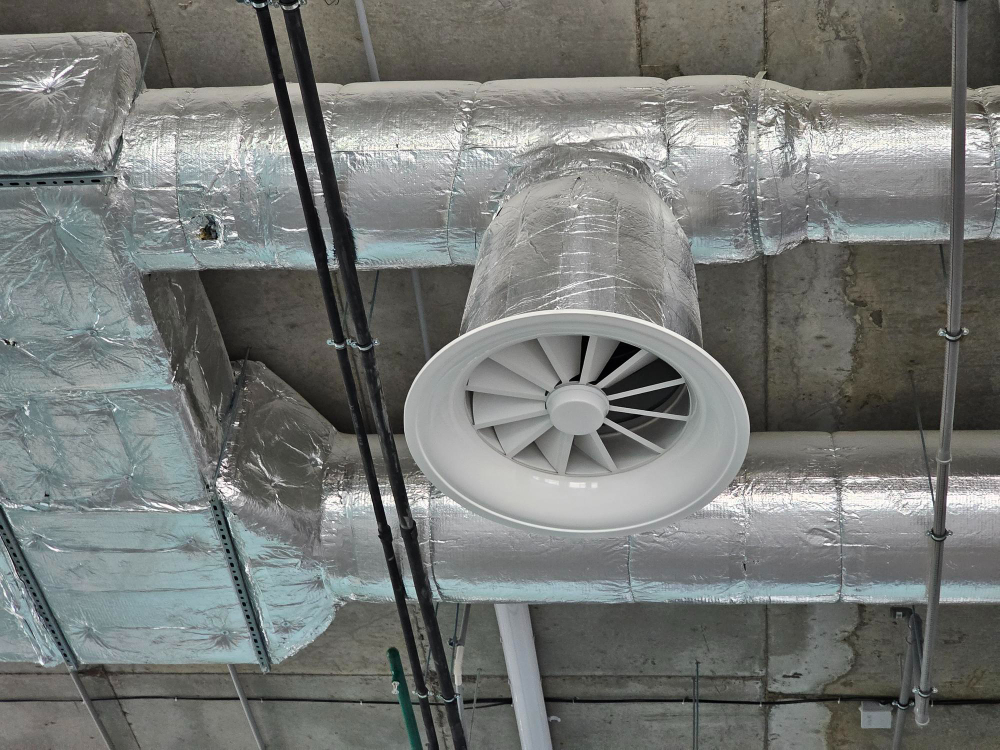
A whole house ventilation system using an energy recovery ventilator (ERV) continuously exchanges indoor air with filtered outdoor air while recovering 60 to 80 percent of the energy from the outgoing airstream. In Virginia's climate, an ERV is the preferred choice because it manages both heat and moisture, precooling and partially dehumidifying incoming air in summer and preheating it in winter.
The ASHRAE 62.2 standard defines minimum residential ventilation rates based on floor area and occupancy. For a typical Virginia home of 2,000 square feet with three bedrooms, the minimum continuous ventilation rate falls in the range of 60 to 75 CFM. That rate is sufficient to dilute normal household pollutants and maintain healthy indoor conditions without significantly increasing energy costs.
- Air sealing stops uncontrolled pollutant entry and energy loss
- Insulation stabilizes surface temperatures and reduces condensation risk
- Mechanical ventilation provides controlled fresh air exchange in the sealed, insulated envelope
- The three upgrades work as a system, and each underperforms without the others
This three-part approach, seal, insulate, ventilate, is the most effective strategy for improving indoor air quality in Virginia homes while maintaining or improving energy performance.
Practical upgrades that reduce specific indoor air quality problems
Knowing the theory is useful, but you need to know what to actually do. The upgrades below address specific, common air quality problems in Virginia homes. They are listed in the order most professionals recommend, because the sequence matters.
Each upgrade builds on the one before it, and skipping steps reduces the effectiveness of everything that follows.
Seal the attic floor and crawl space first
The attic and crawl space are the two largest sources of uncontrolled air exchange in most Virginia homes. Sealing the attic floor prevents humid, dusty attic air from entering the living space and stops conditioned air from escaping upward. Crawl space encapsulation seals the ground surface and foundation walls to block moisture, radon, and soil gases from entering the home from below.
These are foundational upgrades. Every other air quality improvement works better when the building envelope is sealed. If you skip this step, ventilation systems compete with uncontrolled leakage, insulation performance degrades from moisture exposure, and pollutants from the attic and crawl space continue entering the home through paths you cannot easily control.
For Virginia homes built before 2000, the most common air leak locations include recessed light fixtures in ceilings below the attic, plumbing vent stacks, electrical wiring holes, HVAC supply and return boots, dropped soffits over kitchen cabinets, and the attic access hatch. A blower-door test during a home energy audit identifies and quantifies these leaks so they can be sealed systematically.
Upgrade insulation to current standards
Once the air leaks are sealed, bring insulation up to the levels Virginia's climate demands. For attics, that means R-49 at minimum, with R-60 as the performance target for Climate Zone 4A. For rim joists, closed-cell spray foam at 2 to 3 inches provides both the insulation value and the air seal. For crawl space walls in an encapsulated crawl space, rigid foam or spray foam insulation prevents condensation and thermal bridging.
Insulation that is wet, compressed, or missing in patches should be replaced, not covered over. Degraded insulation that has been exposed to moisture may harbor mold, lose its R-value, and contribute to the very air quality problems you are trying to solve. Removing damaged insulation and replacing it with clean material is part of the upgrade, not an optional step.
- Attic insulation at R-49 to R-60 reduces heat transfer and prevents condensation on ceiling surfaces
- Rim joist spray foam seals one of the most common air and moisture entry points in Virginia homes
- Crawl space insulation in an encapsulated space eliminates ground-source moisture and moderates temperature
- Damaged or wet insulation should be removed and replaced, not insulated over
Install mechanical ventilation
With the envelope sealed and insulated, add controlled ventilation. For most Virginia homes, an ERV is the right choice. It provides continuous fresh air exchange, manages both heat and moisture in the transfer, and integrates with the existing HVAC system for seamless operation.
The ERV draws stale air from kitchens, bathrooms, and laundry areas and delivers filtered fresh air to bedrooms and living spaces. The energy exchange core transfers heat and moisture between the two airstreams, so the fresh air arrives close to indoor conditions without the HVAC system having to do all the work.
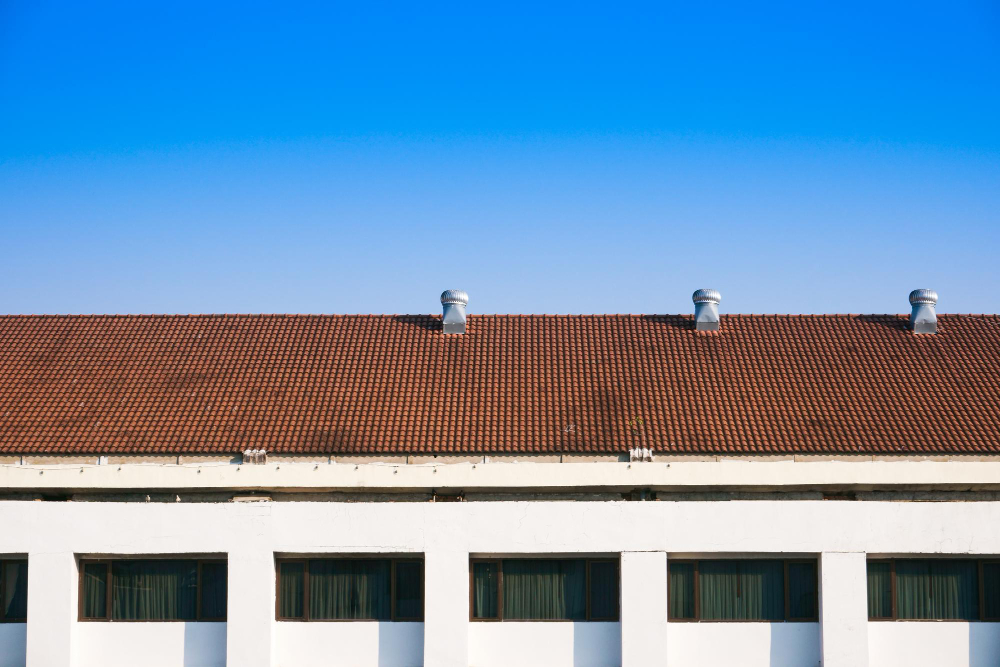
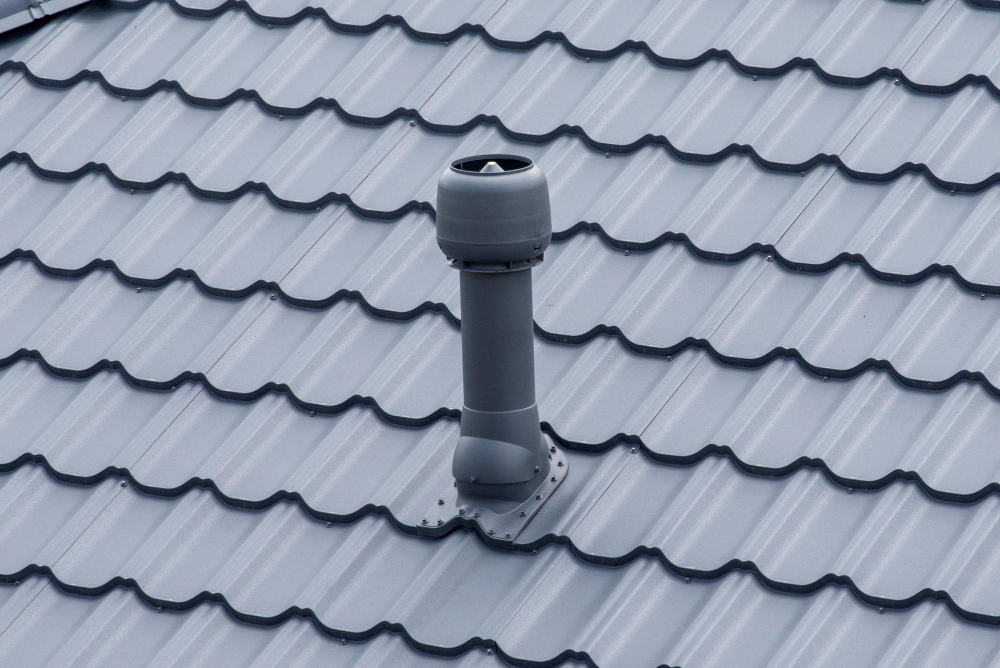
Solar attic fans serve a different purpose. They ventilate the attic space, not the living space. Both types of ventilation are valuable, but they address different parts of the home. An ERV handles indoor air quality in the conditioned space. A solar attic fan reduces heat buildup in the unconditioned attic. Homes that need both should install both.
Address source-specific problems
Some air quality issues require targeted solutions beyond general ventilation.
For radon, install a sub-slab depressurization system. This is a dedicated mitigation approach that draws radon from beneath the foundation and vents it above the roofline before it can enter the home. It is separate from general ventilation and should be designed by a licensed radon mitigation professional.
For combustion appliance safety, verify that all gas appliances are properly vented and that the building envelope tightening has not created backdraft conditions. A combustion safety test is standard practice during a professional energy audit and should be repeated after any significant air sealing work.
For attic humidity and condensation, verify that bathroom exhaust fans and dryer vents terminate outside the building, not into the attic. Moisture dumped into the attic by improperly terminated vents is one of the most common causes of attic mold and insulation damage in Virginia homes.
- Test for radon and mitigate if levels exceed 4 pCi/L
- Inspect gas appliances for proper venting after air sealing work
- Confirm bathroom and dryer exhaust fans terminate outside, not into the attic or soffit
- Replace HVAC filters on schedule and consider upgrading to MERV 13 or higher for finer particle filtration
How to approach the work in the right sequence
The order matters. Each upgrade in the sequence creates the conditions for the next one to perform at its best. Skipping steps or doing them out of order is the most common reason homeowners feel like air quality improvements did not deliver the expected results.
This section lays out the practical sequence for Virginia homeowners who want to get the most from every dollar invested.
Step one is always assessment
You cannot fix what you have not measured. A professional home energy audit provides the baseline data you need to make informed decisions. The audit includes a blower-door test to measure total air leakage, thermal imaging to locate insulation gaps and thermal bridges, a duct leakage test, and a combustion safety evaluation for homes with gas appliances.
The audit also identifies the specific locations where air sealing will have the greatest impact, which insulation areas are underperforming, and whether the home needs mechanical ventilation to maintain air quality after the envelope is tightened. Without this data, you are guessing about where to invest, and guessing usually leads to spending money on the wrong upgrade first.
For Virginia homeowners served by Dominion Energy or Appalachian Power, utility-sponsored audit programs may be available that reduce or eliminate the cost of the initial assessment. Terra Insulation can help identify which programs apply to your home and service area.
Then seal, insulate, and ventilate in order
After the audit, the work follows a logical sequence. Seal the air leaks identified in the audit, starting with the attic floor and crawl space as the highest-impact areas. Then upgrade insulation in the attic, rim joists, and any underperforming wall or floor sections. Finally, install mechanical ventilation sized to the home's new, tighter air leakage rate.
This order matters because sealing first prevents the insulation from being undermined by air movement through and around it. Insulating second creates the thermal barrier that the ventilation system relies on to maintain comfortable conditions without excessive energy use. Ventilating third provides controlled fresh air to the sealed, insulated space, completing the system.
- Seal first: close air leaks in the attic, crawl space, rim joist, and other identified locations
- Insulate second: bring attic, rim joist, and crawl space insulation up to recommended R-values
- Ventilate third: install an ERV sized to the home's square footage and occupancy
- Address radon, combustion safety, and source-specific problems as identified in the audit
What to expect after the upgrades
The improvements are not all visible, but they are noticeable. Most homeowners report that the home feels less stuffy, temperature consistency improves between rooms and floors, and summer humidity drops to more comfortable levels without the AC running constantly. Energy bills typically decrease because the sealed and insulated envelope reduces the HVAC workload.
The air quality improvements are cumulative. Reduced infiltration of outdoor pollutants, lower indoor humidity, filtered fresh air from the ERV, and better combustion appliance venting all contribute to an indoor environment that is measurably healthier than it was before the work.
For Virginia homes with documented radon levels, post-mitigation testing should confirm that levels have dropped below the EPA action level. For all homes, periodic filter replacement in the ERV and HVAC system keeps the ventilation and filtration operating at design capacity.
Conclusion
Improving indoor air quality in Virginia homes is not about buying an air purifier and hoping for the best. It is about creating a building envelope that controls what gets in, insulation that controls temperature and prevents condensation, and ventilation that continuously replaces stale air with filtered fresh air. Done together and in the right order, these upgrades produce a home that is both energy-efficient and genuinely healthier to live in.
Virginia's mix of hot, humid summers and cold winters creates year-round challenges for indoor air. Moisture, radon, volatile organic compounds, and combustion byproducts all concentrate in a sealed home without adequate ventilation. The solution is not to leave the home leaky. It is to seal it properly, insulate it to current standards, and ventilate it intentionally.
Every home is different, and the right plan starts with understanding where your home stands today. Contact Terra Insulation to schedule a home energy audit and get a clear picture of what your indoor air needs and which upgrades will deliver the biggest improvement for your health, comfort, and energy bills.