
Old insulation in your home can lose its effectiveness over time, leading to higher energy bills and potential health risks from mold or pest contamination. Insulation removal services safely eliminate outdated, damaged, or contaminated insulation from attics, crawl spaces, and walls, preparing your home for better energy efficiency and improved indoor air quality. These professional services handle the entire process, from assessing the condition of existing insulation to disposing of old materials properly.
Many homeowners don't realize when their insulation needs replacement. Damaged insulation can settle, become compressed, or get contaminated by rodents and moisture. Understanding when and why to remove old insulation helps protect your home's comfort and your family's health.
This guide covers everything about insulation removal services. You’ll learn how to choose and use insulation removal services to safely clear old or damaged materials and prepare your home for efficient replacement.
Here’s what you need to know:
- What are insulation removal services and why they matter
- Common signs that insulation needs to be removed
- Types of insulation commonly removed
- How professional insulation removal works
- Benefits of professional insulation removal
- DIY vs professional insulation removal
- How insulation removal prepares your home for upgrades
- Why choose Terra Insulation for removal services
Keep reading! You'll learn what the process involves, how to spot warning signs, and why professional removal makes a difference for your home's performance.
What are insulation removal services and why they matter
Insulation removal involves taking out old, damaged, or ineffective insulation from walls, attics, crawl spaces, and other areas of a building. This service addresses problems like pest contamination, moisture damage, or simply outdated materials that no longer perform well.
Understanding insulation removal for homes and businesses
Insulation removal is the process of extracting existing insulation material from a property. Professionals use specialized equipment to safely remove materials like fiberglass batts, blown-in cellulose, or spray foam.
The removal process requires careful handling to prevent spreading contaminants throughout the building. Technicians typically seal off work areas and use vacuum systems to contain debris and dust. This keeps the air in other parts of the building clean during the work.
Different types of insulation require different removal methods. Blown-in insulation is usually vacuumed out using industrial equipment. Batt insulation is rolled up and bagged. Spray foam may need to be scraped or cut away from surfaces.
Property owners hire these services when insulation becomes compromised or ineffective. The work prepares spaces for new, more efficient insulation that better regulates temperature and reduces energy costs.
When insulation removal is necessary
Several situations call for removing existing insulation rather than adding to it. Water damage from roof leaks or flooding saturates insulation and creates conditions for mold growth. Wet insulation loses its effectiveness and poses health risks.
Pest infestations require complete removal. Rodents, bats, and insects leave droppings and urine that contaminate insulation with bacteria and pathogens. Simply covering contaminated material traps these health hazards inside walls and attics.
Age and deterioration also make removal necessary. Insulation installed decades ago may contain materials no longer considered safe or may have settled and compressed over time. Rising energy bills despite a functioning HVAC system often indicate failing insulation.
Fire or smoke damage necessitates removal as well. Insulation absorbs smoke particles and odors that cannot be fully cleaned.
Benefits of removing old or damaged insulation
Replacing old insulation improves energy efficiency throughout the property. New insulation creates better thermal barriers that reduce heating and cooling costs. Buildings maintain more consistent temperatures with less HVAC system strain.
Health and air quality improvements are significant benefits. Removing contaminated insulation eliminates sources of allergens, bacteria, and odors. Occupants breathe cleaner air and experience fewer respiratory irritation issues.
Key advantages include:
- Lower monthly utility bills from improved temperature regulation
- Better indoor air quality and reduced allergens
- Elimination of pest waste and associated health risks
- Preparation for modern, high-performance insulation materials
- Increased home value and appeal to potential buyers
Fresh insulation also provides better moisture control. This reduces the risk of mold development and structural damage from trapped humidity. Properties stay drier and more comfortable year-round.
Common signs that insulation needs to be removed
Insulation that has been damaged, contaminated, or has simply aged past its useful life can create serious problems for a home. Recognizing the warning signs helps homeowners address issues before they lead to higher energy costs, health problems, or structural damage.
Water damage or mold growth
Water intrusion from leaky roofs, burst pipes, or flooding can saturate insulation and render it ineffective. Wet insulation loses its ability to regulate temperature and becomes a breeding ground for mold and mildew.
Visible signs include water stains, discoloration, or dark spots on ceilings and walls. A musty odor often indicates hidden mold growth within the insulation. These conditions pose health risks, especially for people with allergies or respiratory issues.
Once insulation becomes wet or moldy, it rarely dries properly. The material compresses and loses its insulating properties permanently. Professional removal becomes necessary to prevent mold spores from spreading throughout the home.
Per the U.S. EPA’s mold guidance, wet, mold-contaminated porous materials (including insulation) generally need to be discarded because complete mold removal from porous substrates is difficult or impossible.
Pests or rodent infestations
Old insulation provides an ideal nesting spot for rodents, insects, and other pests. These animals burrow into the material, leaving behind droppings, urine, and potentially harmful pathogens.
Signs of infestation include:
- Scratching or scurrying sounds in walls or attics
- Visible droppings or nesting materials
- Chewed wires or damaged insulation
- Unpleasant odors from decomposing animals
Contaminated insulation creates health hazards and reduces air quality throughout the home. The waste products can carry diseases and attract more pests over time. Complete removal and replacement becomes the only safe solution once an infestation has compromised the insulation.
According to the CDC, people should not sweep or vacuum rodent urine, droppings, or nesting materials; safe cleanup requires specific disinfection steps and PPE—supporting the need for controlled, professional removal of infested insulation.
Reduced energy efficiency or uneven temperatures
Insulation naturally degrades over time, losing its effectiveness at maintaining comfortable indoor temperatures. Homeowners may notice their heating and cooling systems running more frequently or struggling to maintain set temperatures.
Common symptoms include drafty rooms, cold spots in winter, or excessive heat in summer. Energy bills often increase as HVAC systems work harder to compensate for poor insulation performance. Some rooms may feel comfortable while others remain consistently too hot or too cold.
Old insulation can settle, compress, or develop gaps that allow air to escape. This uneven coverage creates temperature variations between rooms and floors. When these problems persist despite thermostat adjustments, the insulation has likely reached the end of its useful life.
Old, degraded, or hazardous insulation materials
Insulation materials deteriorate with age, becoming brittle, crumbling, or breaking apart. Homes built before the 1980s may contain asbestos-based insulation, which poses serious health risks when disturbed.
Physical signs of degradation include visible crumbling, dust accumulation, or pieces falling away from surfaces. The material may appear thin, compressed, or significantly reduced in volume compared to its original installation. Fire damage also compromises insulation, as cellulose materials and paper backing are combustible.
Professional inspection can identify hazardous materials like asbestos or outdated products that no longer meet current building codes. Safe removal requires proper equipment and training to avoid exposure to harmful substances. Replacing degraded insulation with modern materials improves both safety and performance.
Types of insulation commonly removed
Different insulation materials require different removal approaches based on their composition and installation method. Fiberglass batts need careful handling to prevent fiber release, while spray foam often requires specialized cutting tools.
Fiberglass and loose-fill insulation
Fiberglass insulation appears as pink, yellow, or white material in either batt form or loose fill. This type is one of the most common materials found in attics and walls. The fibers can irritate skin, eyes, and lungs when disturbed during removal.
Loose-fill fiberglass looks like fluffy material blown into spaces. Removal typically requires a vacuum system to contain the fibers. Workers must wear protective equipment including respirators, gloves, and full-body suits.
Batt fiberglass comes in pre-cut sections that fit between studs and joists. These can be rolled up and bagged during removal. However, older fiberglass often crumbles and breaks apart, creating airborne particles that need containment.
The removal process creates dust and debris that can spread throughout a home. Professional services use negative air pressure systems to prevent contamination of living spaces.
Spray foam and cellulose insulation
Spray foam insulation forms a hard, adhesive layer that sticks firmly to surfaces. Closed-cell foam is dense and rigid, while open-cell foam is softer and more flexible. Removal requires cutting, scraping, or grinding equipment.
The adhesive nature of spray foam makes it difficult to remove without damaging underlying surfaces. Workers use specialty saws and scrapers to break down the material into manageable pieces. This process generates significant debris and requires proper containment.
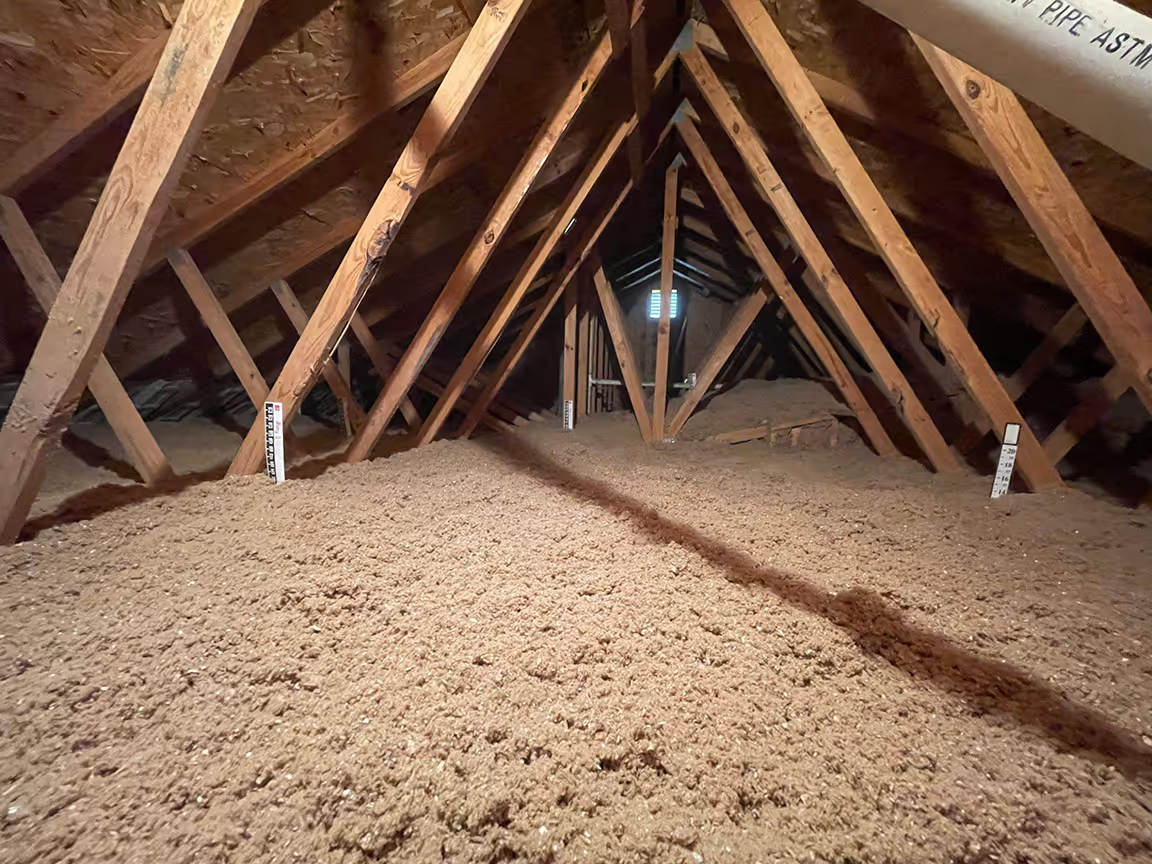
Cellulose insulation consists of recycled paper products treated with fire retardants and other chemicals. It appears as gray, loose material typically blown into attics and wall cavities. The dust created during removal can affect indoor air quality.
Vacuum equipment removes cellulose efficiently. The material compresses well for disposal. Moisture-damaged cellulose becomes heavy and clumped, requiring additional labor to extract.
Asbestos-containing or hazardous insulation
Asbestos insulation appears in homes built before the 1980s. This material poses serious health risks when fibers become airborne. Only licensed asbestos abatement professionals should handle removal of this insulation type.
Common asbestos insulation forms include vermiculite, pipe wrap, and rigid board insulation. Visual identification requires professional testing since asbestos fibers are microscopic. Homeowners should never attempt DIY removal of suspected asbestos materials.
Removal follows strict regulations including containment barriers, negative air systems, and specialized disposal procedures. Workers wear full protective gear and follow decontamination protocols. The cost of asbestos removal significantly exceeds standard insulation removal due to these requirements.
Mold-contaminated insulation also requires special handling. Water damage creates conditions for mold growth within insulation materials. Professionals assess the extent of contamination and use containment procedures to prevent spore spread during removal.
How professional insulation removal works
Professional insulation removal follows a structured process that includes examining the current materials, safely extracting them with specialized equipment, disposing of everything according to regulations, and preparing the area for new installation.
Inspection and assessment of existing insulation
The removal process begins with a detailed inspection of the attic or other insulated spaces. A professional examines the type of insulation present, whether it's loose-fill cellulose, fiberglass batts, or blown-in material. They check for contamination from rodents, mold growth, water damage, or pest infestations that could affect the removal process.
The inspector measures the square footage of the area and the depth of existing insulation. This information helps determine the scope of work and provides an accurate cost estimate. Most professionals also test for hazardous materials like asbestos, especially in older homes built before the 1980s.
The assessment identifies any structural issues, air leaks, or ventilation problems that need attention. This step ensures the removal team arrives prepared with the right equipment and safety gear for the specific job.
Safe removal and containment of materials
Professional teams use industrial vacuum systems to extract loose-fill insulation efficiently. These powerful machines connect to long hoses that reach throughout the attic space, sucking up cellulose or fiberglass into sealed containment bags. The vacuum approach minimizes airborne particles and prevents contamination of living spaces below.
Workers wear protective equipment including respirators, goggles, gloves, and full-body suits. They seal off the work area from the rest of the home using plastic sheeting and negative air pressure systems. This containment prevents dust and debris from spreading through air vents or ceiling openings.
For batt insulation, professionals remove sections by hand and place them directly into heavy-duty bags. The team works systematically across the entire area to ensure complete removal. Standard loose-fill cellulose or fiberglass removal typically costs between $1.00 and $1.50 per square foot due to the efficiency of industrial equipment.
Proper disposal according to local regulations
Removed insulation must be disposed of following local and state waste management rules. Professionals transport sealed bags of old insulation to approved disposal facilities or recycling centers. They maintain documentation of where materials are taken and how they're processed.
Contaminated insulation requires special handling and disposal methods. Materials with mold, rodent waste, or other hazardous substances cannot go to standard landfills. Licensed removal companies know which facilities accept different types of contaminated materials and follow strict protocols for transport.
Some regions allow certain insulation types to be recycled rather than landfilled. Professionals sort materials when possible to reduce environmental impact and disposal costs.
Preparing spaces for new insulation installation
After removal, the team cleans all surfaces to eliminate remaining dust and debris. They vacuum the attic floor, wipe down rafters and joists, and remove any staples or fasteners left from old insulation. A clean surface allows for better adhesion and performance of new materials.
Professionals seal air leaks around pipes, wires, ducts, and other penetrations using caulk or spray foam. They repair any damaged vapor barriers or replace them entirely if needed. This air sealing step improves energy efficiency and prevents moisture problems.
The team inspects and repairs ventilation systems including soffit vents, ridge vents, and attic fans. Proper airflow prevents future moisture buildup and extends the life of new insulation. Most attic insulation removal projects are completed within a day, leaving the space ready for fresh installation.
Benefits of professional insulation removal
Professional insulation removal provides homeowners with better energy performance, cleaner air, and protection against structural problems that old or damaged insulation can cause.
Improved energy efficiency and reduced utility bills
Old or damaged insulation loses its ability to control heat transfer in a home. This makes heating and cooling systems work harder to maintain comfortable temperatures. Professional insulation removal clears out ineffective material so new insulation can perform at full capacity.
Gaps, compression, and moisture damage reduce insulation's R-value over time. When professionals remove compromised insulation, they prepare the space for proper replacement. This restoration can cut heating and cooling costs by 15 to 20 percent in many homes.
According to the U.S. EPA’s ENERGY STAR program, air sealing combined with added insulation yields average savings of ~15% on heating and cooling costs (about 11% on total energy).
Professional teams also identify air leaks and thermal bridges during removal. They seal these problem areas before installing new insulation. This comprehensive approach maximizes energy savings beyond what damaged insulation replacement alone could achieve.
Enhanced indoor air quality and safety
Insulation materials can harbor harmful substances that affect indoor air quality. Older homes may contain asbestos insulation, which requires specialized handling to prevent fiber release. Professionals have the training and equipment to safely remove hazardous materials without exposing household members to health risks.
Moisture-damaged insulation supports mold and mildew growth. These organisms release spores into the air that cause respiratory problems and allergic reactions. Professional removal eliminates contaminated material and prevents spore spread throughout the home.
Rodent droppings and nesting materials in attic insulation carry bacteria and parasites. Professional insulation removal experts use protective gear and containment methods to handle contaminated insulation safely. They also sanitize affected areas after removal to eliminate remaining health hazards.
Prevention of structural damage from moisture or pests
Wet insulation holds moisture against wooden framing members and roof decking. This constant exposure leads to rot and structural decay. Professional removal stops this damage cycle before it compromises the home's framework.
Rodents and insects create tunnels through insulation that reduce its effectiveness. Their activity also damages vapor barriers and electrical wiring. Professional insulation removal services clear out pest-damaged material and identify entry points that need sealing.
Moisture accumulation in old insulation signals ventilation problems or roof leaks. Professionals assess these underlying issues during removal and recommend necessary repairs. This prevents recurring damage after new insulation installation.
DIY vs professional insulation removal
Removing old insulation involves health risks and technical challenges that most homeowners underestimate. Professional services provide specialized equipment and training that protect both the workers and the home from contamination and damage.
Risks of attempting DIY removal
Homeowners who tackle insulation removal without proper training face multiple dangers. Old insulation often contains dust, mold spores, and animal droppings that become airborne during removal. These particles can spread throughout the home and contaminate living spaces.
DIY removal frequently results in incomplete extraction. Hidden pockets of old insulation left behind reduce the effectiveness of new insulation. Compressed or damaged material stuck in tight spaces requires specialized tools to remove properly.
Many homeowners lack the protective gear needed for safe removal. Standard dust masks don't filter out fine insulation particles. Without proper ventilation systems, contaminants circulate through HVAC systems and settle in other rooms.
The physical demands of insulation removal are intense. Crawling through cramped attic spaces in extreme temperatures while handling heavy bags of material leads to exhaustion and mistakes. Workers without experience may damage electrical wiring, plumbing, or structural components hidden beneath the insulation.
Safety hazards like asbestos or fiberglass exposure
Asbestos insulation was commonly installed in homes built before 1980. Disturbing asbestos releases microscopic fibers that cause serious lung diseases, including cancer. These fibers remain dangerous for decades and require certified professionals with special equipment to handle safely.
Fiberglass insulation creates different but significant hazards. The tiny glass fibers irritate skin, eyes, and respiratory systems. Once embedded in skin, these fibers cause persistent itching and rashes. Breathing fiberglass dust inflames lung tissue and triggers asthma attacks.
Vermiculite insulation, found in many older homes, often contains asbestos contamination. This gray-brown material looks harmless but poses the same risks as pure asbestos products. Testing is required before any removal work begins.
Why hiring experts ensures thorough and safe removal
Professional insulation contractors use industrial-grade vacuums with HEPA filters that capture 99.97% of airborne particles. These systems prevent contamination from spreading beyond the work area. Professionals also seal off removal zones with plastic barriers and negative air pressure systems.
Licensed contractors carry specialized training in hazardous material identification and handling. They recognize warning signs of asbestos, mold, and structural damage that untrained eyes miss. Their expertise prevents costly mistakes and health emergencies.
Professional teams complete removal projects faster than DIY efforts. What takes a homeowner several weekends gets finished in one or two days. This speed reduces exposure time and minimizes disruption to daily life. Proper disposal of contaminated materials follows local regulations, avoiding fines or environmental violations.
How insulation removal prepares your home for upgrades
Removing old insulation creates a clean foundation that allows homeowners to install better materials and fix hidden problems. This preparation step directly affects how well new insulation performs and how much energy costs decrease over time.
Ensuring proper installation of new insulation
Old insulation often settles unevenly or develops gaps that reduce its effectiveness. When professionals remove the existing material, they expose the structural framework and identify issues that would otherwise remain hidden.
Moisture damage, air leaks, and pest infestations become visible once the old insulation is gone. These problems need fixing before new insulation goes in. Without removal, installers would simply cover up these issues, leading to continued energy loss and potential structural damage.
A bare surface allows installers to measure spaces accurately and ensure complete coverage. They can seal air leaks around pipes, wires, and ducts that contribute to energy waste. This clean slate approach prevents compression of new materials and ensures proper R-value performance from day one.
Choosing the right type of replacement insulation
The removal process reveals important details about a home's structure that affect insulation choices. Professionals can assess moisture levels, ventilation needs, and space constraints once they clear out old materials.
Different areas require different insulation types based on what they discover:
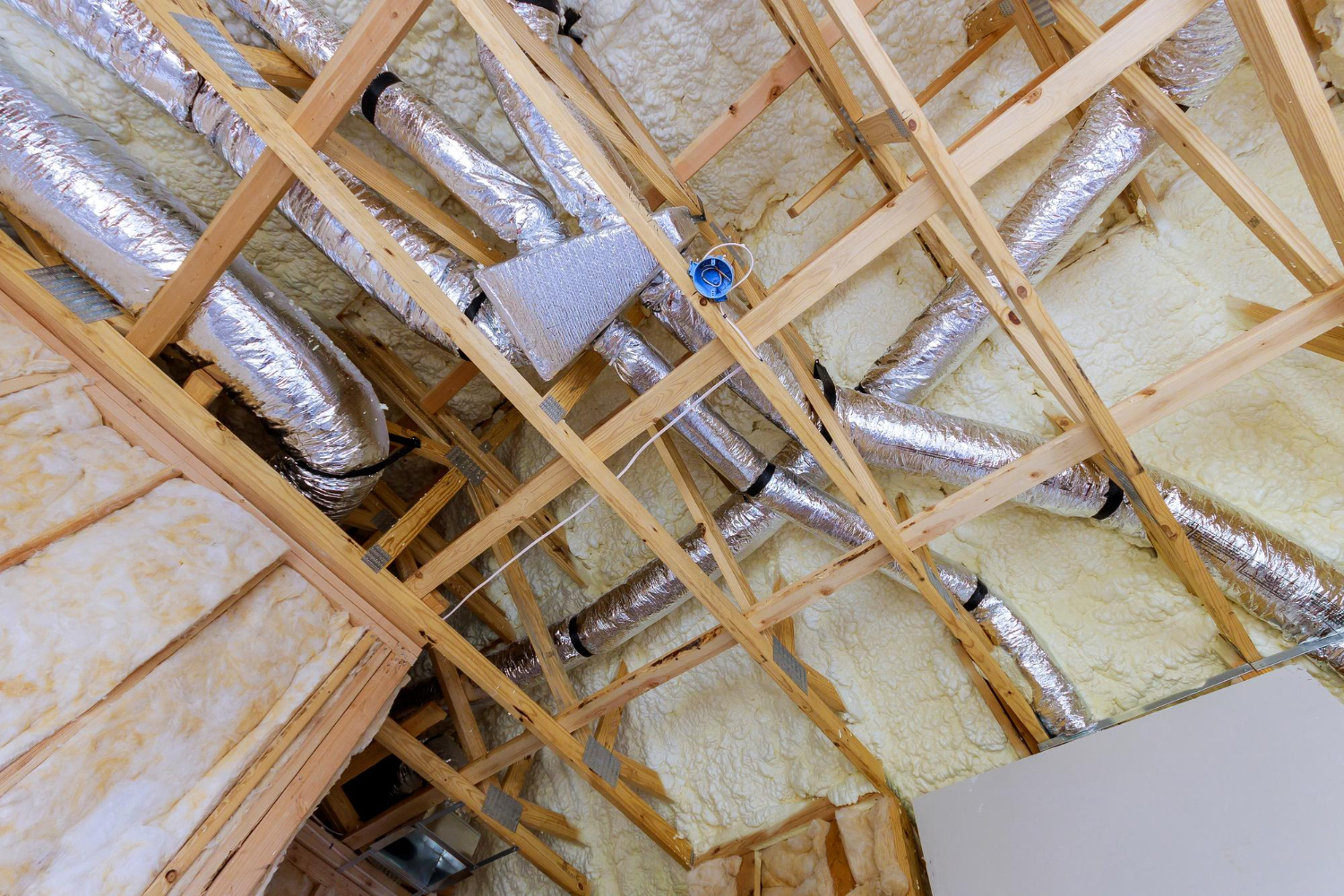
- Spray foam works well in spaces with irregular shapes or air leakage problems
- Fiberglass batts fit standard stud spacing in walls and attics with proper ventilation
- Blown-in cellulose fills hard-to-reach cavities and provides consistent coverage
Insulation replacement services evaluate existing conditions to recommend materials that match specific needs. They consider factors like climate zone requirements, building codes, and budget constraints. Some older homes with insufficient depth can benefit from higher R-value materials that perform better in less space.
Long-term energy savings and comfort
Starting with a clean installation space maximizes the performance of new insulation materials. Properly installed replacement insulation creates an effective thermal barrier that reduces heating and cooling costs significantly.
Homeowners typically see energy bill reductions of 15-30% after professional insulation replacement. The exact savings depend on previous insulation quality and the type of new material installed. These lower utility costs accumulate year after year, offsetting the initial investment in removal and replacement.
New insulation also eliminates temperature variations between rooms and reduces drafts. HVAC systems run less frequently because conditioned air stays inside the home. This decreased workload extends equipment life and reduces maintenance costs over time.
Why choose Terra Insulation for removal services
Terra Insulation stands out through its team of certified professionals, strict safety protocols for handling all insulation materials, and complete service coverage from initial removal through final installation.
Experienced and licensed technicians
Terra Insulation employs technicians who hold proper licensing and certifications for insulation work. Each team member receives training in current removal techniques and safety standards. The company verifies credentials and maintains ongoing education for its staff.
Licensed technicians understand building codes and local regulations. They identify potential issues like moisture damage, mold, or structural concerns during the removal process. This expertise helps prevent problems that inexperienced workers might miss.
The company's technicians have handled various insulation removal projects across different property types. They know how to work efficiently in tight attic spaces, crawl areas, and wall cavities. This experience reduces project time while maintaining quality standards.
Safe handling of all insulation types
Terra Insulation removes all common insulation materials safely, including fiberglass, cellulose, spray foam, and mineral wool. Each material requires specific handling methods to protect workers and occupants. The company uses proper protective equipment and containment procedures for every job.
Old insulation often contains dust, allergens, rodent droppings, or other contaminants. Technicians seal off work areas to prevent particles from spreading throughout the home. They use specialized vacuum systems designed for insulation removal that capture debris effectively.
The team follows EPA guidelines when dealing with potentially hazardous materials. They dispose of removed insulation at approved facilities according to environmental regulations.
Comprehensive service from removal to replacement
Terra Insulation handles the complete process without requiring multiple contractors. After removing old material, technicians clean the space and inspect for underlying issues. They repair minor damage and prepare surfaces for new insulation.
The company offers various replacement insulation options based on budget and performance needs. Technicians explain the benefits of different materials and help property owners make informed decisions. They install new insulation to manufacturer specifications and building code requirements.
This end-to-end approach saves time and eliminates coordination between separate companies. Clients receive consistent quality throughout the project with a single point of contact.
Conclusion
Insulation removal services provide a practical solution for homeowners dealing with old, damaged, or ineffective insulation. These professionals bring specialized equipment and knowledge to handle various insulation materials safely.
Working with trained experts reduces health risks from mold, pests, and airborne particles. They know how to dispose of materials properly and follow local regulations. This protects both the home's occupants and the environment.
The investment in professional services typically pays off through better energy efficiency once new insulation is installed. Homes maintain more consistent temperatures and require less heating and cooling energy.
Property owners should evaluate their insulation's condition regularly. Signs like higher energy bills, uneven temperatures, or visible damage indicate it might be time for removal and replacement. Consulting with an insulation specialist helps determine the best course of action for each specific situation.
Professional removal services make the process straightforward and manageable. They handle the difficult work while homeowners avoid the physical demands and potential hazards of this task.
Request a professional insulation removal assessment and estimate today to ensure safe containment, compliant disposal, and a clean, ready-to-insulate attic or wall cavity.