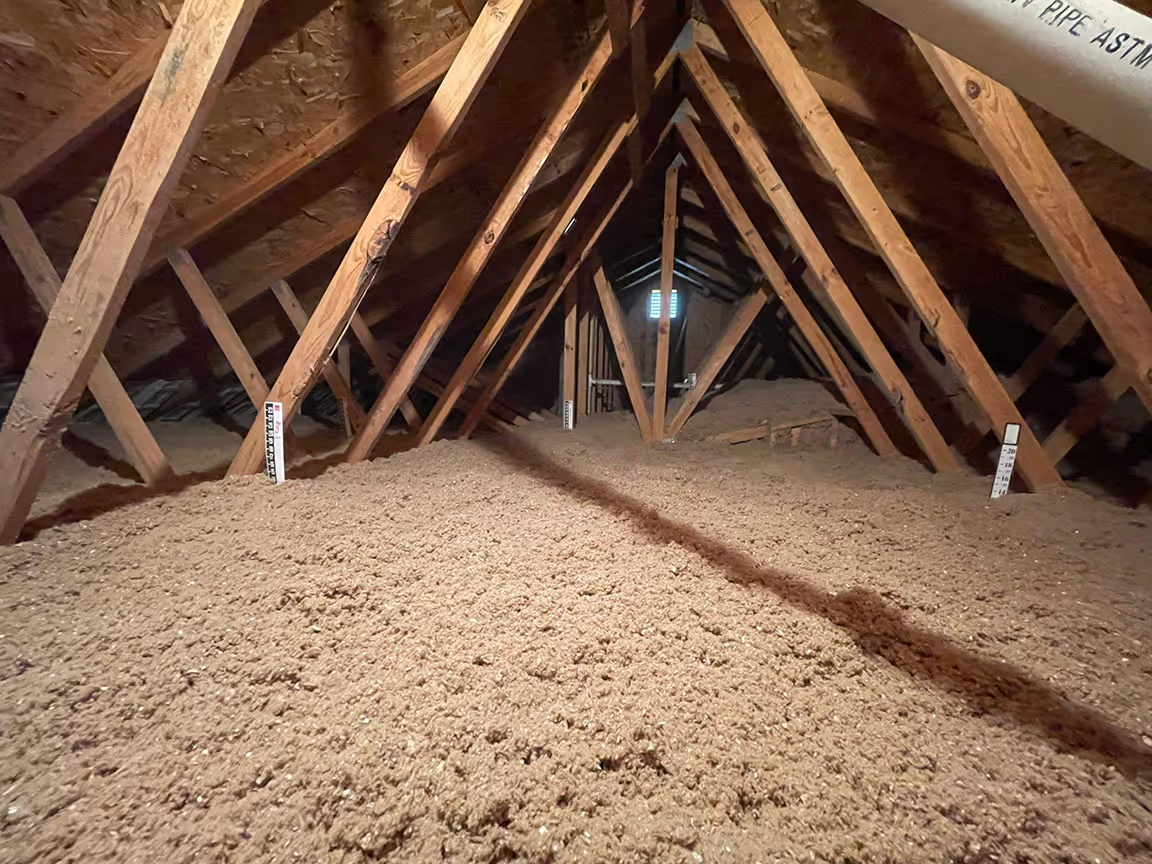


Old or damaged insulation in your home can waste energy, increase your utility bills, and create health risks. Removing this insulation safely requires special equipment and training that most homeowners don't have. That's where insulation removal contractors come in.
Insulation removal contractors are trained professionals who safely remove old, damaged, or inefficient insulation from attics, crawl spaces, and walls before installing new materials. These specialists handle different types of insulation materials and know how to deal with potential hazards like mold, pests, or asbestos. They use proper equipment to contain debris and keep the rest of your home clean during the removal process.
Understanding what these contractors do and how to choose the right one can help homeowners make smart decisions about their insulation projects. Professional removal typically costs between $1 to $2 per square foot, but the investment often pays off through lower energy bills and improved home comfort.
In this article, you’ll learn how to choose insulation removal contractors for safe, compliant removal and proper replacement of outdated or damaged insulation.
Here’s what you need to know:
- What insulation removal contractors do and why you need them
- Signs you need professional insulation removal
- Types of insulation contractors work with
- How insulation removal contractors safely handle materials
- Benefits of hiring professional insulation removal contractors
- DIY vs professional insulation removal
- How to choose the right insulation removal contractor
- Why choose Terra Insulation for your insulation removal needs
Keep reading! This guide covers everything you need to know about working with insulation removal contractors.
What insulation removal contractors do and why you need them
Professional insulation removal contractors handle the safe extraction and disposal of old, damaged, or contaminated insulation from homes and buildings. They follow specific safety protocols and use specialized equipment that most homeowners don't have access to.
Overview of professional insulation removal services
Professional insulation removal involves more than just pulling out old material. Contractors start by inspecting the existing insulation to identify any problems like moisture damage, mold growth, or pest contamination. They seal off work areas to prevent dust and particles from spreading throughout the home.
These professionals use industrial-grade vacuums and containment systems designed specifically for insulation removal. The equipment captures loose particles and fibers that could become airborne during the removal process.
Contractors also handle proper disposal of old insulation materials. Different types of insulation require different disposal methods, and professionals know local regulations for handling potentially contaminated materials. They can remove various insulation types including fiberglass, cellulose, spray foam, and blown-in insulation from attics, walls, and crawl spaces.
When it's necessary to hire contractors
Several situations require professional insulation removal services. Water damage from leaks or flooding compromises insulation effectiveness and can lead to mold growth. Pest infestations leave behind droppings and contamination that make insulation unsafe.
Old insulation loses its ability to regulate temperature effectively over time. Homes built before the 1980s may contain outdated insulation that doesn't meet current energy efficiency standards. Some older homes might even have hazardous materials that require special handling.
Fire or smoke damage makes insulation removal essential. The materials absorb smoke particles and odors that can't be cleaned out. Renovations or additions also create situations where existing insulation needs removal before new construction can begin.
Risks of DIY insulation removal
Attempting insulation removal without proper training creates serious health and safety risks. Insulation fibers become airborne during removal and can irritate skin, eyes, and lungs. Without proper protective equipment and containment procedures, these particles spread throughout the entire house.
Health hazards include:
- Respiratory problems from inhaling fibers and dust
- Skin irritation and rashes from direct contact
- Exposure to mold spores or animal waste
- Risk of encountering asbestos in older homes
Improper removal techniques can damage electrical wiring, plumbing, or structural components hidden within walls and ceilings. Homeowners often lack the specialized vacuum equipment needed to prevent cross-contamination. They may also violate local disposal regulations by throwing contaminated insulation in regular trash.
The money saved by doing it yourself often gets spent fixing problems created during the removal process.
Signs you need professional insulation removal
Knowing when to remove old insulation protects your home's energy efficiency, air quality, and structural integrity. Four key warning signs indicate it's time to contact an insulation removal contractor.
Water or mold damage in attic or walls
Water damage compromises insulation effectiveness immediately. Wet insulation loses its ability to trap air and regulate temperature, which means higher energy bills and uncomfortable rooms. The moisture also creates ideal conditions for mold growth.
Per the U.S. EPA’s mold guidance, porous building materials that are wet and mold-contaminated (such as insulation) generally need to be discarded because complete mold removal from porous substrates is difficult or impossible.
Mold in insulation poses serious health risks. Breathing mold spores can cause respiratory problems, allergic reactions, and other health issues. Dark spots, musty odors, or visible mold growth on walls and ceilings signal contaminated insulation.
Common causes of water damage include:
- Roof leaks from damaged shingles or flashing
- Pipe leaks or plumbing failures
- Poor ventilation causing condensation
- Ice dam formation in winter
Once insulation gets wet, it rarely dries completely. Attic insulation removal experts recommend full replacement rather than attempting to dry damaged material. The contamination often spreads beyond what's visible on the surface.
Rodent or pest infestations
Rodents and pests frequently nest in attic and wall insulation. Mice, rats, squirrels, and insects damage the material and leave behind droppings, urine, and debris. These contaminants spread bacteria and create unhealthy air quality throughout the home.
Pest-damaged insulation must be completely removed. Animals compress and tear the material, reducing its insulating value. Their waste products also carry diseases that can affect household members.
According to the CDC, rodent urine and droppings can spread disease; people should not sweep or vacuum these materials and should follow specific disinfection and PPE steps—underscoring the need for controlled, professional removal when insulation is infested.
Signs of pest infestation include:
- Scratching or scurrying sounds in walls
- Droppings in the attic or crawl space
- Torn or displaced insulation material
- Unpleasant odors from walls or ceiling
Professional removal is necessary because disturbing contaminated insulation releases harmful particles into the air. Contractors use specialized equipment and protective gear to safely extract infested material. They also identify and seal entry points to prevent future invasions.
Reduced heating or cooling efficiency
Rising energy bills often point to failing insulation. When insulation deteriorates, it loses the ability to maintain indoor temperatures. Heating and cooling systems must work harder and run longer to keep rooms comfortable.
Uneven temperatures between rooms also indicate insulation problems. Some areas feel too hot while others stay cold, even when the thermostat is set correctly. This happens when insulation settles, compresses, or develops gaps.
Old insulation naturally loses effectiveness over time. Materials break down, settle, and compact, creating spaces where air can escape. Homes built more than 15 years ago may have insulation that no longer meets current efficiency standards.
Old, deteriorated, or hazardous insulation
Some older insulation types contain dangerous materials. Vermiculite insulation installed before 1990 may contain asbestos fibers. Urea-formaldehyde foam insulation releases harmful gases as it ages. These materials require professional removal following strict safety protocols.
Deteriorated insulation crumbles, shifts, or breaks apart easily. This happens as materials age beyond their useful lifespan. Fiberglass batts separate and sag. Cellulose becomes dusty and compacted. Blown-in insulation settles and leaves gaps.
Warning signs of deteriorated insulation:
- Visible dust or particles falling from ceiling
- Brittle or crumbling material
- Strong chemical or musty smells
- Discoloration or staining
Homeowners should never attempt to remove potentially hazardous insulation. Professional contractors have the training, equipment, and certifications to handle dangerous materials safely. They also ensure proper disposal according to local regulations.
Types of insulation contractors work with
Insulation contractors handle several different materials during removal projects. Each type requires specific tools, techniques, and safety measures to remove properly.
Fiberglass and cellulose insulation
Fiberglass insulation comes in batts, rolls, or loose-fill form. Contractors use protective equipment when removing it because the tiny glass fibers can irritate skin, eyes, and lungs. The removal process typically involves carefully pulling out batts or using industrial vacuums for loose-fill material.
Cellulose insulation is made from recycled paper products treated with fire retardants. It usually appears as loose, gray material blown into attics and wall cavities. Contractors remove it with specialized vacuum equipment that collects the material into bags for disposal.
Both materials are common in homes built from the 1950s onward. They are generally safe to remove with standard safety gear like respirators, gloves, and protective clothing. The removal process creates dust, so contractors seal off work areas with plastic sheeting.
Most contractors can complete fiberglass or cellulose removal in one to two days for an average-sized home. The removed material goes to landfills or recycling centers, depending on local regulations and material condition.
Spray foam insulation
Spray foam removal presents unique challenges compared to traditional insulation types. The material bonds tightly to wood, drywall, and other surfaces, making it difficult to extract without damaging the structure underneath.
Contractors use several methods to remove spray foam. They may cut it out with saws or knives, scrape it away with specialized tools, or grind it down. The method depends on whether the foam is open-cell or closed-cell type.
Open-cell foam is softer and easier to remove. Closed-cell foam is dense and rigid, requiring more aggressive removal techniques. Some contractors use heat guns to soften the material before scraping, though this creates fumes that require proper ventilation.
The removal process often takes longer than other insulation types. Contractors must work carefully to avoid damaging studs, joists, and electrical wiring hidden within the foam.
Asbestos or other hazardous materials requiring certified handling
Older homes may contain asbestos insulation, which was commonly used until the 1980s. This material poses serious health risks when disturbed because it releases microscopic fibers that cause lung disease and cancer.
According to the U.S. EPA, vermiculite attic insulation should be assumed asbestos-contaminated and left undisturbed; if removal is chosen, the EPA recommends hiring a trained, accredited asbestos contractor independent from the assessor to avoid conflicts of interest.
Licensed asbestos abatement contractors must handle all asbestos removal work. They follow strict regulations that include air monitoring, containment setup, and specialized disposal procedures. Standard insulation contractors cannot legally remove asbestos without proper certification.
The removal process requires full protective suits, respirators, and sealed work areas with negative air pressure systems. Contractors wet the material to prevent fiber release and double-bag all waste in specially marked containers. They must notify local authorities before starting work and provide air quality testing afterward.
Mold-contaminated insulation also requires special handling. Contractors assess the extent of contamination and use antimicrobial treatments during removal. They identify and fix the moisture source to prevent future growth.
How insulation removal contractors safely handle materials
Professional insulation removal contractors follow strict safety protocols to protect workers, homeowners, and the environment. They use specialized equipment and techniques to handle hazardous materials while maintaining proper containment and disposal standards.
Inspection and assessment before removal
Contractors begin every job with a thorough inspection of the insulation type, condition, and location. They identify whether the material contains asbestos, fiberglass, cellulose, or spray foam. This step determines which safety equipment and removal methods are needed.
Professionals check for signs of water damage, mold growth, or pest contamination. These issues require additional safety measures during removal. Contractors also test air quality to establish a baseline before work begins.
They assess structural concerns and identify any wiring or plumbing that could be affected during removal. The inspection reveals potential hazards like loose joists, exposed nails, or weak flooring. Contractors document their findings and create a removal plan tailored to the specific conditions.
This assessment phase helps contractors determine how long the job will take and what disposal methods are required. They review local regulations to ensure compliance with waste management requirements.
Containment and protective measures during removal
Contractors seal off the work area using plastic sheeting and negative air pressure systems. This prevents insulation fibers and dust from spreading to other parts of the building. They cover vents, doorways, and floor openings to maintain containment.
Workers wear full protective gear including respirators, goggles, disposable coveralls, and gloves. The type of respirator depends on the insulation material being removed. For asbestos-containing materials, contractors use specialized breathing equipment rated for toxic substances.
Professional teams use HEPA-filtered vacuums to collect loose insulation particles as they work. These vacuums trap microscopic fibers that regular equipment would release back into the air. Contractors also set up air scrubbers with HEPA filters to continuously clean the air during removal.
They work systematically to minimize disturbance to the insulation material. Contractors use specialized removal tools designed to reduce airborne particles. The protective measures stay in place until all material is removed and the area is thoroughly cleaned.
Proper disposal and adherence to local regulations
Contractors package removed insulation in heavy-duty disposal bags that are sealed immediately. They label bags according to material type and hazard level. Different insulation materials require different disposal methods based on local waste management rules.
Hazardous materials like asbestos must go to specially licensed disposal facilities. Contractors maintain detailed documentation of what was removed and where it was taken. They provide disposal receipts and certificates to homeowners as proof of proper handling.
Non-hazardous insulation materials are disposed of at approved landfills or recycling centers. Some materials like cellulose can be recycled if they are clean and dry. Contractors transport waste in covered vehicles to prevent fiber release during transit.
Professional removal companies stay current with federal, state, and municipal regulations. They hold the necessary licenses and permits for handling specific insulation types. Contractors follow EPA guidelines and OSHA standards throughout the disposal process.
Preparing the area for new insulation installation
After removal, contractors clean all surfaces using HEPA vacuums and appropriate cleaning methods. They remove any remaining fibers from joists, studs, and other structural elements. This thorough cleaning ensures the new insulation will install properly.
Professionals conduct post-removal air quality testing to confirm the area is safe. They check that dust levels have returned to acceptable ranges. This testing protects both workers and occupants from lingering contaminants.
Contractors inspect the now-exposed structure for damage or repairs needed before new insulation goes in. They identify air leaks, gaps, or moisture issues that should be addressed. These problems can reduce insulation effectiveness if left unresolved.
They repair or replace damaged vapor barriers and seal any penetrations in walls or ceilings. The preparation work creates an optimal surface for the new insulation material. Contractors ensure all electrical and plumbing work is completed before installation begins.
Benefits of hiring professional insulation removal contractors
Professional insulation removal contractors provide critical services that protect homes from health hazards, reduce energy waste, and prevent costly structural problems. Their expertise addresses issues that homeowners often miss when attempting removal on their own.
Improved indoor air quality and home safety
Old insulation often contains dust, mold spores, and other harmful particles that spread through a home during removal. Professional contractors use specialized equipment to contain these contaminants and prevent them from entering living spaces. They seal off work areas with barriers and use industrial vacuums with HEPA filters to capture airborne particles.
Many older homes contain insulation made with asbestos or treated with chemicals that pose serious health risks. Professionals know how to identify these materials and follow strict safety protocols during removal. They wear protective gear and dispose of hazardous materials according to local regulations.
Rodent droppings and pest debris commonly accumulate in old insulation. These waste materials can carry diseases that become airborne when disturbed. Contractors handle contaminated insulation safely and sanitize affected areas to eliminate health risks.
Enhanced energy efficiency and lower utility bills
Damaged or settled insulation creates gaps that allow heated and cooled air to escape. Professional removal prepares spaces for new insulation that performs at maximum efficiency. Contractors inspect areas thoroughly to identify problems that reduce energy performance.
Moisture-damaged insulation loses its insulating properties and must be completely removed before replacement. Professionals remove all traces of compromised material to ensure new insulation works properly. They also address the moisture sources that caused the original damage.
Insulation replacement contractors evaluate R-values and recommend materials suited to specific climate zones. Their proper removal techniques create clean surfaces for optimal installation. Homeowners typically see reduced utility bills within the first month after professional removal and replacement.
Avoidance of structural damage and pest-related issues
Wet insulation promotes wood rot and structural decay in walls, attics, and crawl spaces. Professionals identify moisture problems during removal and alert homeowners to issues requiring repair. Early detection prevents expensive structural repairs down the line.
Pests often nest in old insulation and create entry points throughout a home. Contractors locate these access points during removal and recommend repairs to prevent future infestations. They remove all nesting materials and waste that attract new pests.
Common structural issues found during professional removal:
- Roof leaks that damage framing and sheathing
- Electrical wiring problems hidden by insulation
- Ventilation deficiencies causing moisture buildup
- Foundation cracks allowing pest entry
Professional contractors protect floors, fixtures, and belongings during the removal process. Their industrial equipment handles heavy insulation volumes efficiently without damaging home interiors.
DIY vs professional insulation removal
Removing old insulation involves serious health risks and technical challenges that most homeowners underestimate. Professional contractors have specialized equipment and training to handle dangerous materials safely, while DIY attempts often expose people to harmful substances and result in incomplete removal.
Health and safety hazards of DIY attempts
Old insulation often contains asbestos, mold spores, and rodent droppings that pose significant health risks. Breathing in these particles can cause respiratory problems, skin irritation, and long-term lung damage. Asbestos exposure is particularly dangerous and may lead to serious diseases years after contact.
DIY removal typically lacks proper containment measures. Disturbing insulation releases harmful particles into the air throughout the home. Standard dust masks and basic safety gear do not provide adequate protection against these hazards.
Attic and crawl space environments create additional dangers. Poor ventilation, extreme temperatures, and unstable footing increase the risk of heat stroke, falls, and injuries. Many homeowners lack experience navigating these tight spaces safely while handling bulky materials.
Specialized tools and training required for safe removal
Professional contractors use industrial vacuums with HEPA filters to contain airborne particles during removal. These machines prevent contamination of living spaces and capture dangerous materials that regular shop vacuums cannot handle. The equipment costs thousands of dollars to purchase or rent.
Professionals wear full protective suits, respirators, and sealed goggles designed for hazardous material handling. They understand proper containment procedures, including sealing off work areas with plastic barriers and creating negative air pressure. This training ensures harmful particles stay confined to the removal zone.
Contractors can identify different insulation types and know the specific removal techniques for each. They recognize asbestos-containing materials and follow legal protocols for handling and disposal. Licensed professionals carry insurance that protects homeowners from liability if problems occur during removal.
Ensuring proper preparation for replacement insulation
Thorough removal creates a clean surface for new insulation installation. Professionals inspect structural components for damage, moisture issues, and pest infestations that DIY removers often miss. They identify air leaks and ventilation problems that reduce insulation effectiveness.
Complete removal requires accessing hard-to-reach areas around pipes, wiring, and structural beams. Contractors have the tools and experience to extract insulation from tight corners without damaging the building. They also properly seal and dispose of contaminated materials according to local regulations.
The removal process must coordinate with new insulation installation. Professional contractors evaluate R-value requirements and recommend appropriate insulation types for specific areas. They ensure the space is properly prepared with vapor barriers and ventilation baffles before installing replacement materials.
How to choose the right insulation removal contractor
Finding the right professional requires checking their credentials, understanding what services they provide, and reading what past customers have to say about their work.
Licensing, certifications, and experience
Licensed insulation specialists must meet specific state and local requirements before they can legally work on homes. A valid license shows the contractor has the proper training and follows building codes. Homeowners should always ask to see proof of licensing before hiring anyone.
Certifications from organizations like the Insulation Contractors Association of America demonstrate additional expertise. These credentials show the contractor stays updated on the latest techniques and safety standards. Experience matters too, especially with older homes or specific insulation types.
Key credentials to verify:
- Active state contractor's license
- Insurance coverage (liability and workers' compensation)
- Certifications for specific insulation materials
- Years in business and completed projects
A contractor with 5-10 years of experience typically handles unexpected problems better than newer companies. They know how to deal with contaminated insulation, structural issues, and proper disposal methods.
Range of services offered and safety protocols
The best contractors offer complete removal services, not just basic extraction. This includes testing for asbestos and mold before starting work. They should also handle disposal according to local regulations and offer replacement insulation options.
Safety protocols protect both workers and homeowners. Professional crews wear protective equipment and seal off work areas to prevent contamination spread. They use specialized vacuums with HEPA filters to contain insulation particles and dust.
Contractors should provide a detailed work plan that explains each step. This includes how they'll protect the home, remove the insulation, clean the space, and dispose of materials. They must follow OSHA guidelines and local environmental regulations throughout the process.
Customer reviews and satisfaction guarantees
Online reviews on Google, Yelp, and the Better Business Bureau reveal how contractors treat customers and handle problems. Look for patterns in feedback rather than focusing on single complaints. A company with mostly positive reviews and professional responses to negative ones shows accountability.
Satisfaction guarantees protect homeowners if work doesn't meet expectations. Strong warranties cover both labor and materials for at least one year. Some contractors offer money-back guarantees if they miss deadlines or fail to complete work as promised.
References from recent projects let homeowners speak directly with past clients. Ask these references about pricing accuracy, work quality, cleanup, and whether they'd hire the contractor again. Companies confident in their work readily provide multiple references.
Why choose Terra Insulation for your insulation removal needs
Terra Insulation brings specialized expertise, safety protocols, and complete service coverage to every insulation removal project. Their team handles all insulation types while ensuring proper disposal and seamless replacement options.
Experienced and licensed team
Terra Insulation employs trained professionals who hold proper licensing and certifications for insulation removal work. The team understands how to identify different insulation materials and knows which removal methods work best for each type.
Their experience includes handling projects in homes of all sizes and ages. This means they can spot potential issues before they become problems during removal.
Licensed contractors follow local building codes and safety regulations throughout the entire process. They also carry insurance that protects homeowners from liability during the work.
The team provides detailed assessments before starting any removal work. This helps homeowners understand what needs to be done and why.
Safe handling of all insulation types
Terra Insulation uses proper safety equipment and containment methods to protect both workers and residents. They handle fiberglass, cellulose, spray foam, and other materials according to industry safety standards.
Common insulation types they safely remove:
- Fiberglass batts and rolls
- Blown-in cellulose
- Spray foam insulation
- Rock wool
- Vermiculite (potential asbestos)
The team seals off work areas to prevent dust and particles from spreading throughout the home. They use specialized vacuums and equipment designed specifically for insulation removal.
When dealing with older insulation that may contain asbestos or other hazardous materials, they follow strict protocols. This includes testing, proper containment, and disposal at approved facilities.
Comprehensive service from removal to replacement
Terra Insulation handles the entire process from start to finish. After removing old insulation, they clean the space and prepare it for new installation.
The team identifies air leaks and moisture issues during removal that could affect new insulation performance. They can seal these problems before installing replacement insulation.
Homeowners receive recommendations for the best insulation type based on their home's specific needs and climate zone. The company installs the new insulation immediately after removal, which minimizes the time a home goes without proper thermal protection.
This complete service approach saves homeowners from coordinating multiple contractors. It also ensures that removal and replacement work together as part of one unified improvement project.
Conclusion
Hiring an insulation removal contractor is a smart choice for homeowners dealing with old, damaged, or ineffective insulation. These professionals have the training and equipment to handle the job safely and efficiently.
The cost of professional removal typically includes labor, disposal fees, and any necessary decontamination services. While DIY removal might seem cheaper initially, it often takes more time and carries safety risks that professionals are trained to avoid.
Homeowners should look for licensed and insured contractors with proven experience in insulation removal. Reading reviews and getting multiple quotes helps ensure the best service at a fair price. Most contractors can also handle the installation of new insulation, making the entire upgrade process simpler.
The right contractor will inspect the attic or crawl space before starting work. They can spot problems like damaged rafters or inadequate ventilation that might need attention. This thorough approach ensures the space is ready for new insulation that will perform well for years.
Choosing a qualified insulation removal contractor protects both the home and the people living in it. The investment in professional service pays off through improved comfort, lower energy bills, and peace of mind.
Request a licensed insulation removal assessment and quote today to ensure safe containment, compliant disposal, and a clean, ready-to-insulate attic or crawl space.